
TL;DR
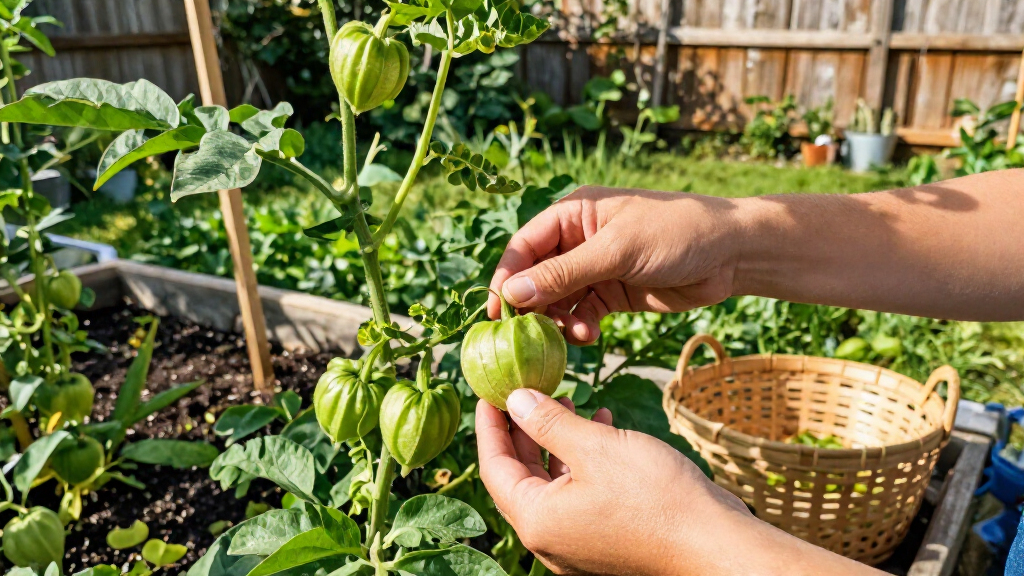
A Grow Organic guide says tomatillos are ready to pick when the fruit fills its papery husk and remains firm; the wrapper may turn tan or split. Color depends on variety, and harvests can continue until frost, so check plants regularly rather than relying only on a calendar.
Grow Organic’s tomatillo guide advises gardeners to harvest fruit when it fills its papery husk and remains firm, rather than waiting for it to soften. The guidance matters because readiness also varies by cultivar: a green tomatillo may be picked before it yellows, while purple and yellow types should be judged by their expected color as well as fullness and firmness.

Get garden gear delivered free with Prime
- Fast, free delivery on millions of items
- Prime Video, Amazon Music and more included
- Member-only deals all year
The guide recommends checking the fruit, husk and variety description together. A wrapper that turns tan or begins to split can signal that the fruit has filled it, but size varies among varieties. For green types, the guide says to pick firm fruit before it becomes yellow and soft. Purple varieties develop their characteristic color as they mature, and some cultivars are naturally yellow, so gardeners should consult the seed packet instead of applying green-fruit rules to every plant.
For picking, Grow Organic suggests using clean scissors to snip the short stem or gently twisting the fruit free while supporting the branch. Regular checks let gardeners collect fruit as it reaches picking size; plants may keep producing until frost. The guide advises gathering usable fruit before freezing weather, but does not give a single calendar date because harvest timing depends on local conditions and the variety.
After harvest, the guide says to keep the husks on and refrigerate tomatillos in a paper bag, planning to use them within two weeks and checking for spoilage. Before cooking, remove the wrappers and rinse off the fruit’s sticky coating. For longer storage, the guide recommends washing, drying and freezing whole or chopped fruit. It advises using tested recipes for canning.
Pick by Fruit, Not the Calendar
Recognizing harvest readiness can help gardeners avoid picking fruit too early or leaving it until it softens. The guide’s central practical point is to prioritize firmness and husk fullness, while using color as a clue specific to the variety. That approach is useful for gardeners whose plants mature at different times or whose seed packets describe fruit colors other than green.
The advice also links harvest timing to the end of the growing season. Since plants may continue fruiting until frost, regular checks can help gardeners gather mature tomatillos before cold weather ends production. The storage guidance gives home growers a short-term plan for keeping the crop and a freezing option for saving fruit beyond that window.
Popular right now

Dyson Cyclone V10 Origin Cordless Vacuum

Apple AirPods Pro (1st Generation) with MagSafe Charging Case

Roborock Q7 L5 Robot Vacuum and Mop Combo, 8,000 Pa Suction
As an affiliate, we earn on qualifying purchases.
Growing Conditions Behind the Harvest
The Grow Organic report presents harvest as one part of a process that begins with warm growing conditions and successful pollination. It recommends planting outdoors after frost danger has passed and soil has warmed, choosing a sunny site with well-drained soil, and maintaining steady moisture without waterlogging roots. Its suggested watering range is about one to two inches weekly, including rainfall, adjusted for soil and weather.
Tomatillos need pollination for fruit to develop. The guide recommends growing at least two seed-grown plants near one another so insects can move pollen between flowers; empty husks alone do not show that fruit is developing. It also suggests giving plants room to spread, generally two to three feet apart, and adding stakes or a cage early to support branches and keep fruit accessible. These are the report’s cultivation recommendations, not a guarantee of a particular yield or harvest date.
““Check fruit rather than relying only on calendar dates.””
— Grow Organic guide
Timing Varies by Variety and Weather
The supplied guide does not identify one harvest date, a fixed number of days from planting, or a publication date. It says timing depends on variety, growing conditions and frost, and recommends checking the seed packet for expected size and color. It also does not provide a measured yield comparison or guarantee that a plant will set fruit.
Pollination problems are one possible explanation for empty husks, according to the guide, but the source does not diagnose individual plants. Gardeners facing poor fruit set may need to check whether another plant is flowering nearby and whether insects can reach the blossoms. Local frost dates and short-season conditions also affect when growers should start seeds or protect their plans for harvest; the report offers general guidance rather than location-specific forecasts.
Check Plants as Fruit Fills
Gardeners following the guide should inspect plants regularly as fruit enlarges, compare color and size with the cultivar description, and pick tomatillos that are firm and filling their wrappers. They can continue harvesting as more fruit reaches that stage, then gather usable fruit ahead of frost. After picking, the next step is to refrigerate fruit with its husk on for near-term use or wash, dry and freeze it for longer storage.
The source material does not announce a new growing season, a change in agricultural guidance or a date for an update. Its advice remains general: use variety-specific cues and current garden conditions to decide when to pick.
Key Questions
How do I know when a tomatillo is ready to harvest?
Look for firm fruit that fills its husk. The wrapper may turn tan or split, but check the expected color and size for the variety too.
Should green tomatillos turn yellow before picking?
Not according to the guide: pick green varieties while they are firm and green, before they become yellow and soft. Some other varieties naturally mature purple or yellow, so follow their seed-packet descriptions.
Do tomatillos need more than one plant?
The guide recommends at least two seed-grown plants so insects can cross-pollinate the flowers. A single plant may flower without setting much fruit.
How should I store harvested tomatillos?
Leave the husks on and refrigerate the fruit in a paper bag, planning to use it within two weeks and checking for spoilage. For longer storage, wash, dry and freeze tomatillos whole or chopped.
Source: groworganic.com