TL;DR
A Homes & Gardens report advises choosing poinsettias with vivid bracts, green leaves, firm stems, compact growth and healthy roots. Buy from a warm, draft-free retailer, wrap the plant for the journey and bring it indoors promptly; exact results depend on the plant’s prior care and conditions at home.
A Homes & Gardens report sets out how to choose a poinsettia that is more likely to hold its color and leaves through the holiday season: inspect its bracts, foliage, buds and roots, and avoid plants kept in cold or drafty retail spots. The advice matters because a plant that looks healthy in a store may shed leaves after purchase if it has been chilled or stressed.

Get garden gear delivered free with Prime
- Fast, free delivery on millions of items
- Prime Video, Amazon Music and more included
- Member-only deals all year
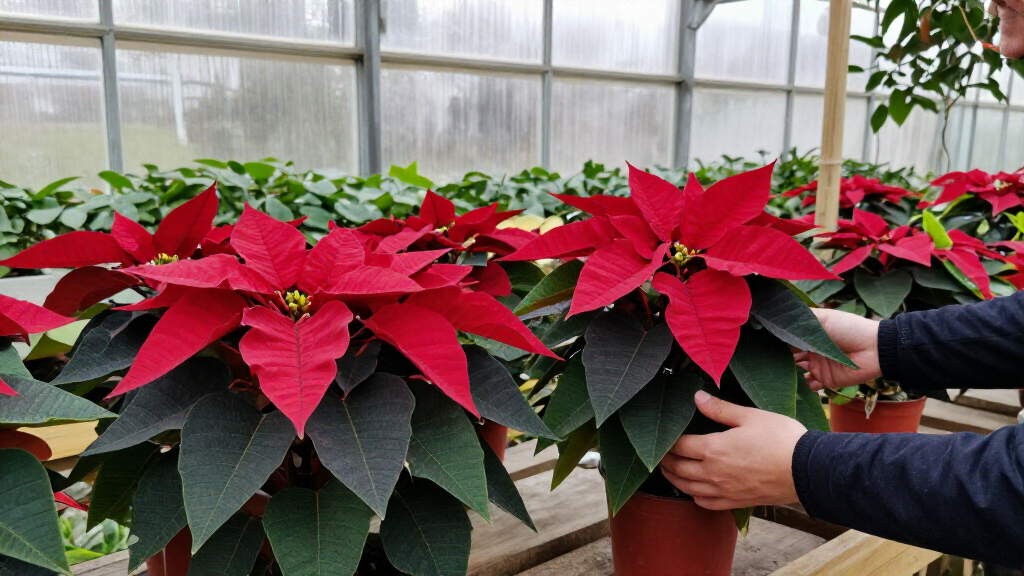
The report recommends selecting a plant with bright, fresh-colored bracts—the colored leaves often mistaken for flowers—and vibrant green foliage beneath them. Stems should be sturdy, and the plant should have a bushy, compact shape rather than long, sparse growth. Small yellow flower buds at the center should still be closed or only just starting to open, according to the guide.
Shoppers are also advised to lift the pot and inspect its drainage holes. A few visible roots are not necessarily a problem, but roots that are firm rather than soggy or mushy are preferable. The potting mix should feel slightly damp, not saturated or bone-dry. The report also recommends checking leaves and compost for insects and rejecting a plant if pests are visible.
Where the plant has been kept matters as much as its appearance. The guide advises buying from a retailer where poinsettias are held in a warm, draft-free area, rather than beside automatic doors or outdoors. For the journey home, it recommends wrapping the plant in paper or a protective sleeve, keeping it in a comfortably warm part of the car and taking it indoors soon after arrival.
A Better Start for Holiday Plants
These checks can help shoppers avoid bringing home a poinsettia already stressed by cold, poor watering or unsuitable storage. The plant’s condition at purchase is not a guarantee of how long it will look good, but choosing carefully and limiting temperature shocks may reduce common causes of early leaf drop.
The guide says poinsettias generally retain their colorful bracts for about four to eight weeks, sometimes into spring. That range is not a promise for every plant: its previous care and the conditions in the home can affect how it performs. Poinsettias are tropical plants, so cold exposure during shopping and transport is a particular concern.
Popular right now

iRobot Roomba Max 875 Robot Vacuum and Mop

Dyson Airwrap i.d. 6-in-1 Multi-Styler and Dryer

Apple AirPods Pro 3 Wireless Earbuds with Active Noise Cancellation
As an affiliate, we earn on qualifying purchases.
What to Check Before Buying
Poinsettias are native to Mexico and southern Guatemala and are widely associated with Christmas in the United States. The source report says about 70 million plants are sold in the run-up to Christmas, though it does not give a year or describe how that estimate was compiled.
The article addresses a familiar seasonal problem: some plants lose leaves soon after shoppers bring them home. It argues that selection and transport deserve attention alongside care after purchase. Its suggested home conditions are bright, indirect light, steady warmth and protection from drafts; it gives an ideal temperature range of 61–70°F (16–21°C).
“The compost should be just damp, and definitely not soaked from overwatering or dry from neglect.”
— Homes & Gardens report
What A Store Inspection Cannot Tell
A visual check cannot reveal every problem or establish how a poinsettia will respond once it is moved to a different home. The source does not provide controlled test results comparing store conditions, varieties or care methods, and it does not specify the year behind its sales estimate. How long an individual plant keeps its bracts will depend on its condition before purchase and the care it receives afterward.
The report also does not give a detailed pest identification guide or explain how to treat an infested plant. Shoppers who see insects can follow its simple recommendation to choose another plant rather than assume the issue is harmless.
Care Begins on the Trip Home
After choosing a plant, wrap it before leaving the store and avoid leaving it in a cold vehicle. At home, place it in a warm area with bright, indirect light, away from drafts and sudden temperature changes. The report gives a preferred range of 61–70°F (16–21°C) and advises against placing the plant directly beside a window.
Continue checking the soil so it stays lightly damp rather than waterlogged or dry. The source does not specify a watering schedule, which can vary with the pot and household conditions. A buyer should use the plant’s condition and soil moisture as practical checks rather than treat the guide’s temperature range or expected display period as a guarantee.
Key Questions
What should a healthy poinsettia look like?
Look for fresh, colorful bracts, green leaves, sturdy stems and compact, bushy growth. Its small yellow buds should be closed or just beginning to open.
Should I buy a poinsettia with roots showing?
A few roots visible at the drainage holes are not automatically a reason to reject it. The report advises avoiding plants with roots that appear soggy or mushy or are pushing extensively through the holes.
How should I transport a poinsettia in cold weather?
Wrap it in paper or a plant sleeve before leaving the store, keep it in a comfortably warm part of the car and take it indoors promptly. Avoid cold drafts and leaving the plant in a chilly vehicle.
How long can poinsettia color last?
The Homes & Gardens report says colorful bracts commonly last about four to eight weeks, sometimes into spring. The actual display period varies with the plant’s condition and care.
Source: homesandgardens.com