TL;DR
Country Living’s poinsettia-buying guide, citing Costa Farms horticulturist Justin Hancock, recommends checking the tiny central flower buds, foliage, soil and overall condition before purchase. A healthy plant may last into January with bright light, slightly moist soil and protection from cold; its actual lifespan depends on its condition and care.
A Country Living guide advises holiday shoppers to inspect a poinsettia’s tiny central flower buds, leaves and potting mix before buying, because signs of stress or an advanced flowering stage may mean the plant will fade sooner. Horticulturist Justin Hancock of Costa Farms says a poinsettia in ideal conditions can last into January, while warning that cold exposure and poor care can shorten its display.

Get garden gear delivered free with Prime
- Fast, free delivery on millions of items
- Prime Video, Amazon Music and more included
- Member-only deals all year
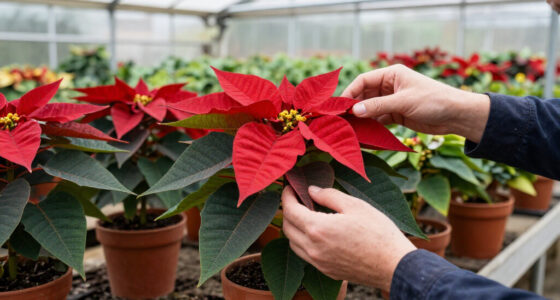
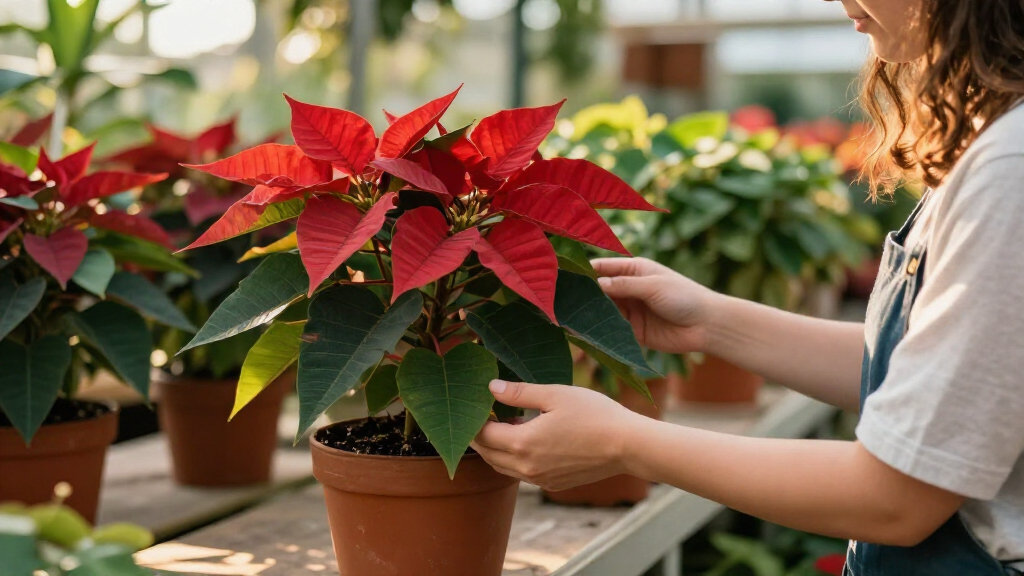
The showy red, pink, white or other colored parts are bracts, or modified leaves; the actual flowers are the small clustered structures at their center. Hancock recommends choosing a plant whose flower capsules, known as cyathia, are green or yellow-green and still tightly closed. Open capsules showing bright yellow or pollen suggest the plant is already partway through its display, while dried or falling flowers point to an older plant.
Shoppers should look for vibrant bracts and dark-green leaves, without wilting, yellowing or leaves dropping off. Check beneath the plant’s protective plastic sleeve, too: bare lower stems where leaves have fallen are a reason to choose another, since those leaves will not grow back in time for the holidays. The potting mix should not be bone-dry; Hancock says a badly wilted poinsettia is unlikely to recover simply by watering it.
Inspect the stems, leaves and bracts for whiteflies, mealybugs or spider mites. The guide says drops of milky white sap are not themselves evidence of mealybugs; they can come from a broken stem or leaf. After purchase, protect the plant from the cold trip home, place it in bright light and water when the top inch of mix feels dry. Keep the soil slightly moist, not waterlogged, and consider isolating the new plant from other houseplants in case it carries pests.
How Plant Condition Shapes Its Display
A poinsettia is a seasonal purchase whose condition at the store can affect how long it remains attractive at home. Choosing closed flower buds and healthy foliage gives shoppers a practical way to avoid plants already showing age or stress. That matters for people buying one to decorate through a particular holiday date: even good care may not restore flowers or leaves that have already dried up or fallen.
The guidance also underscores that transport and placement matter, not just the choice made at the garden center. Poinsettias are subtropical plants, and the source says they do not tolerate temperatures below 50 degrees Fahrenheit. A cold journey or outdoor display in unsuitable weather can shorten the show. The lifespan estimate is conditional, not a guarantee for every plant or home.
Popular right now

Roborock F25 XT Cordless Wet-Dry Vacuum Mop

Breville Bambino Espresso Machine, Brushed Stainless Steel (BES450BSS)

Dyson Car+Boat Cordless Handheld Vacuum
As an affiliate, we earn on qualifying purchases.
Reading Poinsettia Flowers and Bracts
Although poinsettias are commonly displayed for their bright color, the colored parts are not petals. They are modified leaves called bracts, surrounding the plant’s small true flowers. The central flower capsules provide one of the guide’s main clues to freshness: tightly closed buds indicate an earlier stage of the display than open capsules with visible yellow pollen.
The source describes poinsettias as plants that originated in Mexico and are widely used as Christmas decorations. It notes that they are sold in colors beyond traditional red, including pink, salmon, white and yellow, as well as varieties with cream-colored speckles or splashes. Color alone, however, is not the freshness test; shoppers should assess the plant’s buds, leaves, soil and overall appearance.
“In ideal conditions, your poinsettia can last a month or two into mid- or late January.”
— Justin Hancock, horticulturist with Costa Farms, as quoted by Country Living
Why Lifespans Can Differ
The guide’s estimate of a month or two into mid- or late January applies to ideal conditions; it does not specify a typical lifespan across all homes or quantify how much each warning sign reduces display time. The source also does not give a publication date, identify a particular retailer or report testing that compares plants. A shopper therefore cannot use the advice to know an exact end date for an individual plant.
Care needs can also vary with the plant and its setting. The guide recommends bright light and watering when the top inch of soil feels dry, but it does not provide a precise watering schedule or a detailed range of suitable indoor temperatures. It says to avoid temperatures below 50 degrees Fahrenheit and to keep the mix slightly moist, rather than saturated.
Steps After Bringing It Home
Once the plant is home, the next steps are to keep it warm, set it where it receives bright light and check the soil before watering. Water when the top inch feels dry, aiming for slightly moist soil rather than a sopping-wet pot. The source cautions that a plant displayed in a dark corner may still be used as decoration, but its display will be shorter.
Keep the poinsettia indoors unless the local climate is warm enough for it; the guide says the plant will not tolerate temperatures below 50 degrees. It also recommends keeping a new poinsettia apart from other houseplants for a period because pests can hitchhike. The source does not specify how long to isolate it, so shoppers should watch for insects on leaves, stems and bracts as they care for the plant.
Key Questions
What should I check first when buying a poinsettia?
Inspect the small flower capsules at the center of the colored bracts. The guide recommends tightly closed green or yellow-green buds; open flowers showing yellow or pollen indicate the plant is further along in its display.
How can I tell whether a poinsettia looks stressed?
Look for wilting, yellowing or dropped leaves, especially at the bottom of the plant, along with dried flowers or bone-dry potting mix. The guide advises choosing another plant if it looks unhealthy.
How often should I water a poinsettia?
Check the soil and water when the top inch feels dry. Keep the mix slightly moist, not waterlogged; the source does not prescribe a fixed schedule.
Can I put a poinsettia outside?
The guide says poinsettias will not tolerate temperatures below 50 degrees Fahrenheit. It advises against displaying one outdoors unless the climate is warm enough.
How long can a poinsettia last?
Hancock says a poinsettia can last a month or two into mid- or late January in ideal conditions. That is an estimate, not a guarantee; the plant’s condition, light, watering and exposure to cold can affect its display.
Source: countryliving.com