TL;DR
Gardening Know How recommends building a no-dig garden bed in fall by layering cardboard, brown materials such as dry leaves, green materials such as kitchen scraps, and finished compost. The layers are left to decompose over winter; how quickly a particular bed will be ready to plant depends on its materials and conditions.
Gardening Know How has outlined a fall no-dig method for preparing garden beds by covering soil with cardboard, brown and green organic materials, and finished compost. The layers are left in place over winter to break down, with the aim of creating a more fertile bed for spring planting without turning the soil by hand.

Get garden gear delivered free with Prime
- Fast, free delivery on millions of items
- Prime Video, Amazon Music and more included
- Member-only deals all year
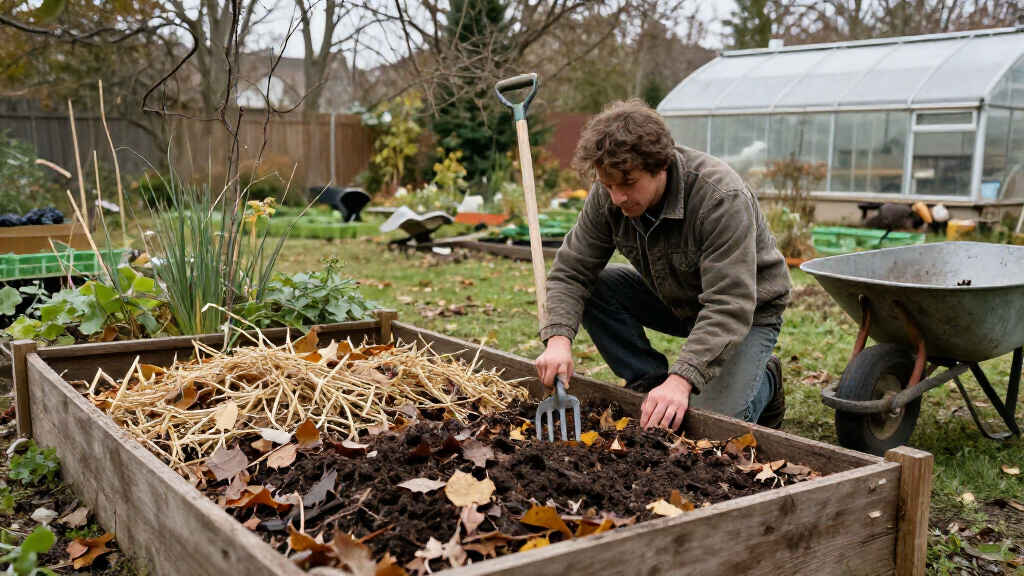
The method, often called lasagna gardening, is described in the report as cold composting in place. Gardeners first cut down existing grass or weeds, then lay flattened cardboard over the soil in overlapping sheets. The report advises wetting the cardboard after it is laid down and says corrugated cardboard can act as a barrier to weeds while still allowing earthworms to reach the material.
Next come layers of brown materials, such as dry leaves, straw, sawdust, wood chips, or shredded newspaper, and green materials, including kitchen scraps, grass clippings, coffee grounds, or manure. Gardening Know How suggests using about twice as much brown material as green and says gardeners can repeat the alternating layers. Finished compost or topsoil goes on top, particularly if the bed is intended for immediate planting.
The report says the layers decompose through winter and enrich the soil. That is the method’s stated goal, not a guarantee of a particular soil condition or planting date: the source gives no measurements, controlled results, or timetable for how quickly materials break down at an individual site.
A Bed Prepared Without Turning Soil
For gardeners who want to reduce digging, this approach uses yard and kitchen materials to build a bed where it will be planted. It also offers a way to put fallen leaves and some food scraps to use rather than removing them from the garden, provided the materials are suitable for the bed.
Its seasonal appeal is practical: starting in fall gives organic layers time to settle and decompose before spring. But gardeners should treat the expected result as variable. Material quantity, moisture, and local conditions can affect decomposition, and the report does not establish that every bed will be ready by a set date or that cardboard will prevent all weeds.
Popular right now

Bose QuietComfort Ultra Headphones (2nd Gen), Wireless Noise-Cancelling Over-Ear Headphones, Driftwood Sand

De’Longhi All-in-One Espresso and Coffee Maker with 10-Cup Pot and Milk Frother

Dyson V9 Motorbar Cordless Vacuum
As an affiliate, we earn on qualifying purchases.
How the Layering Method Works
The article compares the layered bed with a compost pile and with the accumulation of leaves and other debris on a forest floor. In both examples, organic matter breaks down over time. Lasagna gardening applies that principle directly to a planned garden bed rather than requiring the gardener to dig the materials into the soil.
The four parts described are cardboard at the base, brown material, green material, and finished compost or topsoil as a cap. The source also says additional alternating brown and green layers may be added. These are gardening instructions from the report; it does not provide a formal soil test or an independent assessment of the method’s results.
“The technique is really cold composting in place.”
— Gardening Know How
Timing and Results Vary by Bed
The report does not specify how long decomposition takes under different weather or soil conditions, or give a date by which a newly built bed will be ready. It also does not quantify improvements in soil fertility, weed reduction, or crop performance. Those outcomes should not be read as guaranteed.
Some practical details are not addressed in the source, including how to handle persistent weeds, which kitchen scraps are appropriate, or whether the suggested materials suit every garden. The advice to use a finished compost cap when planting immediately signals that fresh layers may not provide the same planting surface as settled compost, but the article does not set out a detailed planting schedule.
Leave Layers to Settle
Under the method described, the next step after assembling the bed is to let the layers sit through winter and check their condition before spring planting. Gardeners should judge readiness by the bed itself rather than assume a fixed timetable, since the report gives no guaranteed completion date.
Gardening Know How presents the technique as seasonal advice, not as a trial with measured outcomes. Any assessment of how well it works in a particular garden will come from observing whether the materials have broken down and whether the surface is suitable for the plants being started.
Key Questions
What is lasagna gardening?
It is a no-dig method that layers cardboard and alternating brown and green organic materials over soil, then leaves them to break down. A layer of finished compost or topsoil is placed on top.
What materials does the report recommend?
For brown layers, Gardening Know How lists dry leaves, straw, sawdust, wood chips, and shredded newspaper. Green options include kitchen scraps, grass clippings, coffee grounds, and manure. The report suggests using about twice as much brown material as green.
When should a lasagna garden be made?
The method is presented as a fall or early-winter project, so the layers can decompose over winter. The source does not give a precise date or promise that every bed will be ready by a particular point in spring.
Can seeds be planted as soon as the layers are added?
The report recommends a top layer of finished compost or topsoil, especially for immediate planting, to provide a planting surface. It does not provide a full planting timetable, so readiness will depend on the bed’s condition and the plants involved.
Source: gardeningknowhow.com