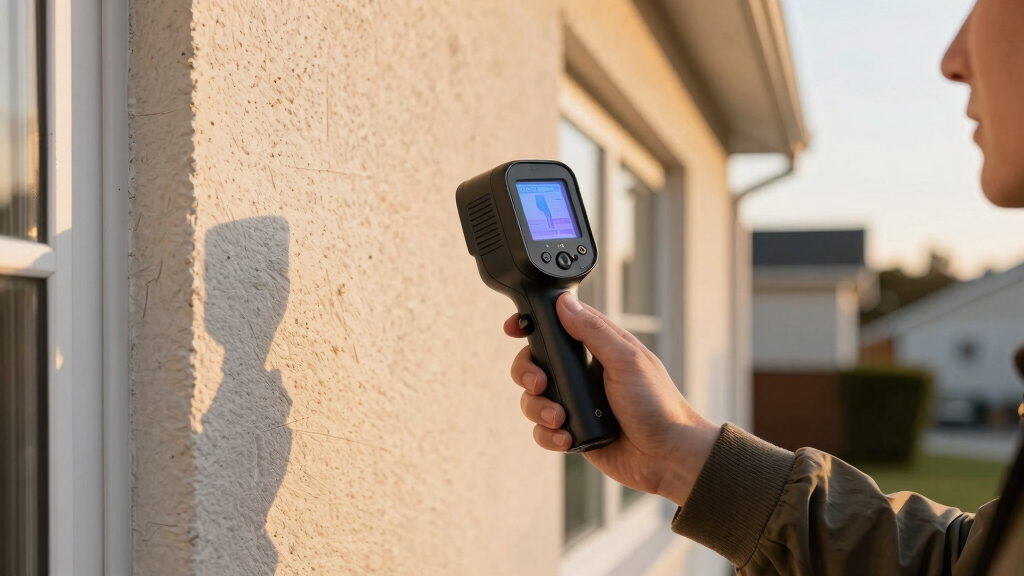

Finding the best thermal camera for home energy audits requires balancing resolution, ease of use, and affordability. The GH340 Thermal Imaging Camera stands out as the top overall choice for its high resolution and comprehensive features. For those on a tighter budget, the TOPDON TC004 offers solid performance at a lower price point. The Thermal Master provides premium imaging quality for detailed inspections, while the Mini Thermal Camera is perfect for quick, casual checks. Readers will face tradeoffs between resolution, battery life, and cost—continue reading for a detailed breakdown to help you find the best fit.
Key Takeaways
- High-resolution thermal cameras significantly improve detection of small or subtle energy leaks, justifying higher prices.
- Battery life varies widely, so consider how long you’ll need to perform inspections without recharging—longer runtime is often worth a premium.
- Ease of use, including touchscreen interfaces and simple controls, can save time and reduce frustration for DIYers and professionals alike.
- Additional features like visual cameras, laser pointers, and temperature alarms add value but often increase cost, so prioritize based on inspection needs.
- Affordable models can suffice for basic leak detection, but more advanced units deliver detailed images that support precise energy auditing.


More Details on Our Top Picks
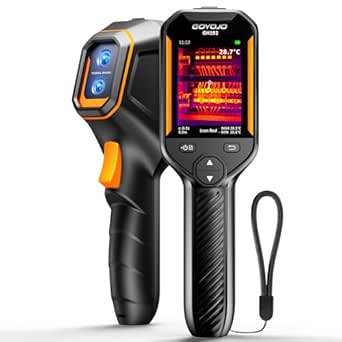
GH192 Thermal Imaging Camera 240X240 Super IR Resolution with 2MP Visual Camera and Fusion Imaging, 25Hz Handheld Thermal Imager with Alarm for Mechanical Maintenance Home HVAC Electrical Inspection
This thermal camera stands out for its dual light fusion imaging, combining a 240×240 IR sensor with a 2MP visible light camera, which results in highly detailed images. Compared with the GT14S, it offers superior fusion capabilities and more adjustable color palettes, making it ideal for both home inspections and professional troubleshooting. Its auto temperature tracking, alarms, and emissivity adjustment ensure accurate readings across various surfaces, which is essential for identifying insulation gaps or electrical faults. The IP54 rating and drop resistance add to its durability for demanding environments. However, the device’s slightly higher price and complexity may be challenging for absolute beginners. Perfect for homeowners with some technical experience or HVAC professionals needing detailed, reliable diagnostics.
Pros:- Dual fusion imaging for detailed visual and thermal data
- Auto temperature tracking and alarms for quick anomaly detection
- 6 adjustable color palettes for tailored visualization
- Durable, IP54-rated, drop-resistant design
Cons:- Relatively higher cost compared to entry-level models
- Somewhat complex interface for complete beginners
Best for: HVAC technicians, electrical inspectors, and homeowners who want a professional-grade, versatile thermal imaging tool.
Not ideal for: Casual users or those seeking a simple, budget-friendly device with minimal features, as its advanced options may be overwhelming.
- Resolution:240×240 IR
- Frame Rate:25Hz
- Temperature Range:-4°F to 1022°F
- Image Modes:Fusion, Thermal, Conventional Light
- Durability:IP54, drop-resistant
- Battery Life:8 hours
Bottom line: This camera is best suited for users who need high accuracy and detailed imaging for professional home energy and mechanical inspections.
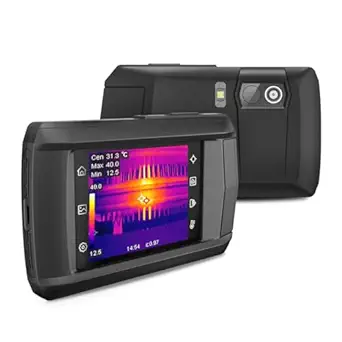
This compact thermal camera offers exceptional portability, weighing only 1.4 oz and fitting easily in a pocket, making it the perfect tool for quick, on-demand inspections. Its 80×60 IR resolution provides clear thermal images suitable for detecting water leaks, insulation issues, or hidden cameras, especially when paired with its intuitive touchscreen interface—no app or WiFi setup required. While the resolution is lower than the GH192 or DP10, it excels at simple, fast diagnostics for homeowners, DIYers, and travelers. Its straightforward operation and dedicated case enhance convenience, but it lacks advanced features like temperature alarms or fusion imaging, limiting its precision for complex tasks. Ideal for users seeking an easy, portable device for basic thermal scans around the home or during travel.
Pros:- Ultra-portable and lightweight design
- No app or WiFi setup needed, instant use
- Responsive touchscreen for easy operation
- Includes protective storage case
Cons:- Lower IR resolution limits detailed analysis
- Lacks advanced features like temperature alarms or fusion modes
- Limited to basic thermal imaging
Best for: DIY homeowners, travelers, and beginner inspectors needing quick visual cues without complex features.
Not ideal for: Professionals requiring detailed images, temperature alarms, or fusion imaging for precise diagnostics, as this model is simplified.
- IR Resolution:80×60
- Temperature Range:14°F–284°F
- Weight:1.4 oz
- Display:Touchscreen
- Connectivity:No app required
- Battery Life:Up to 8 hours
Bottom line: This camera is best for casual users and travelers who need a simple, portable thermal tool for quick inspections and leak detection.
GT14S Thermal Imaging Camera with Thermometer Mode, Ultra-Light 240g, -4°F~1022°F Range, 14H Runtime, Live Tracking with Edge-Enhanced Display, Infrared Camera for HVAC/Electrical Inspection
The GT14S combines a lightweight, 240g design with advanced features like live tracking, thermometer mode, and high-precision sensors, making it suitable for detailed inspections in HVAC, electrical, or automotive contexts. Its -4°F to 1022°F range covers most home and industrial applications, and the 14-hour battery life supports all-day work. Compared to the GH192, it offers less fusion capability but excels in real-time tracking and handheld convenience. Its edge-enhanced display and simple controls make it accessible for both professionals and serious DIYers. However, it lacks some of the multi-mode fusion options of the GH192 and may be less suitable for users who need detailed visual overlays. This model makes the most sense for users prioritizing portability, long runtime, and accurate point measurements.
Pros:- Ultra-lightweight at 240g for ease of use
- Long 14-hour battery life for all-day inspections
- Thermometer mode for quick, accurate point readings
- Edge-enhanced display with live tracking
Cons:- Limited fusion imaging compared to GH192
- No built-in visual fusion features
- Basic image modes may be less versatile for complex diagnostics
Best for: HVAC technicians, electricians, and automotive inspectors needing portable, long-lasting thermal measurement tools.
Not ideal for: Beginners or homeowners seeking a fusion imaging experience or more detailed visual overlays, as the GT14S focuses on point measurements and live tracking.
- Weight:240g
- Range:-4°F to 1022°F
- Battery Life:14 hours
- Image Mode:Thermometer, Thermal
- Display:Edge-enhanced
- Sensor Resolution:240×180 IR
Bottom line: Ideal for professionals and advanced users who need a lightweight, long-lasting device with precise temperature measurements and live tracking capabilities.
Thermal Camera, 240 x 240 TISR Resolution, -4°F to 1022°F Temp Range, 25Hz Infrared Camera with Temperature Alarm, 50°FOV Handheld Thermal Imaging Camera
The Flagfront YXI96 offers solid 240×240 super-resolution imaging with a wide 50° field of view, making it well-suited for detecting leaks, insulation gaps, or electrical hotspots in home environments. Its built-in temperature alarm enhances safety by alerting users to abnormal heat sources, while the -4°F to 1022°F range covers most common household issues. Compared with the DP10, it provides a broader FOV but fewer advanced fusion or tracking features. Its durable, portable design and adjustable emissivity make it a versatile choice for homeowners and DIYers. However, it may lack the detailed fusion imaging that professionals prefer, and its resolution, while good, isn’t as high as some premium models. Best for users who need a reliable, straightforward device to detect energy inefficiencies or safety hazards around the home.
Pros:- Super-resolution 240×240 imaging
- Wide 50° field of view for broad scans
- Built-in temperature alarm for safety
- Durable, portable, and user-friendly
Cons:- Limited fusion and advanced imaging features
- No live tracking or multi-mode diagnostics
- Resolution not as high as premium models like GH192
Best for: Homeowners, DIYers, and safety-conscious users needing a durable, easy-to-use thermal camera for routine inspections.
Not ideal for: Advanced professionals requiring fusion imaging, detailed overlays, or multi-mode diagnostics, as this model emphasizes simplicity and safety alerts.
- Resolution:240×240
- Temperature Range:-4°F to 1022°F
- Field of View:50°
- Frame Rate:25Hz
- Alarms:High/Low temperature
- Battery Life:8 hours
Bottom line: This camera is best for homeowners and DIYers seeking a reliable, safety-focused thermal device for routine energy and safety inspections.
GOYOJO Thermal Imaging Camera for Android/iphone 15/16/17 iOS Series 192×192 IR Resolution– Water Leak Detection HVAC Electrical Plumbing, Automotive Repair, Home Inspection, DIY-USB-C Infrared Imager
This compact device transforms your smartphone into a capable thermal inspector, with a 192×192 IR resolution that rivals more traditional standalone models like the FOXWELL RT280. Its plug-and-play USB-C connection makes setup effortless, ideal for DIYers and professionals who need quick results without bulky equipment. Compared to bulkier cameras, it offers great detail for water leaks, electrical hotspots, and insulation gaps, though its resolution is slightly lower than high-end models like the GH340. The broad temperature range and accuracy make it highly reliable for home energy assessments, but limited field of view (50°) can be a drawback for large areas. Best suited for users seeking mobility and ease of use—not ideal for extensive, detailed professional inspections requiring larger sensors.
- High-resolution IR sensor (192×192)
- Compatible with Android and iPhone 15/16/17
- Ultra-portable, pocket-sized design
- Broad temperature detection range from -4°F to 752°F
- Limited field of view at 50°
- Lower resolution compared to premium models like the GH340
Verdict: This device makes the most sense for home inspectors and DIYers prioritizing portability and quick diagnostics over detailed, large-area scans.
Pros:- Plug-and-play USB-C connection for instant use
- Good IR resolution (192×192) for detailed images
- Highly portable, fits in your pocket
Cons:- Limited 50° field of view, less ideal for large inspections
- Resolution slightly lower than premium models like the GH340
Best for: DIY enthusiasts and contractors who want a portable, smartphone-compatible thermal camera for quick home energy checks.
Not ideal for: Professionals needing high-resolution, wide-angle imaging for large-scale or detailed inspections.
- IR Resolution:192×192
- Temperature Range:-4°F to 752°F
- Device Compatibility:Android, iOS (iPhone 15/16/17)
- Field of View:50°
- Sensor Pixel Pitch:12μm
- Size:1.77 x 0.43 x 1.34 inches
Bottom line: Best for on-the-go home inspections where portability and ease of use outweigh the need for maximum resolution.
FOXWELL RT280 Thermal Imaging Camera, 320 X 240 2.8″ LCD Screen Thermal Camera, TISR Resolution 240 x 180, 25Hz Handheld Infrared Cameras with Laser, PC Analysis, Photo & Video Recording, 8GB
Compared to the GOYOJO, the FOXWELL RT280 offers a higher 240×180 thermal resolution and a larger 2.8-inch LCD screen, making it a strong choice for users who need detailed imaging for home energy audits or electrical troubleshooting. Its TISR technology boosts effective resolution, and the laser targeting system enhances precision, especially in tight spaces. While the resolution isn’t quite as high as the GH340’s 640×480, its balanced features—like PC analysis software, photo/video recording, and 8GB storage—make it ideal for professionals who want detailed, documented inspections. The 25Hz refresh rate ensures smooth visuals, but its bulkier design compared to smartphone-based models limits portability. This pick makes the most sense for professionals and serious DIYers needing detailed images and analysis capabilities.
- High effective resolution (240×180)
- Large 2.8-inch color LCD
- Laser targeting for precision
- PC software for advanced analysis
- Relatively bulky for handheld use
- Lower resolution than the GH340
Verdict: Ideal for home inspectors and technicians requiring detailed thermal images with analysis tools, but less suited for casual or portable use.
Pros:- Effective resolution boosted by TISR technology
- Large, clear 2.8″ LCD for easy viewing
- PC analysis software supports detailed reporting
Cons:- Bulkier and less portable than smartphone-based cameras
- Lower resolution than the GH340
Best for: Home inspectors, electrical technicians, and serious DIYers needing detailed thermal imaging with data analysis.
Not ideal for: Casual users or those seeking ultra-portable, quick scans without detailed documentation.
- IR Resolution:240 x 180
- Effective Resolution:240 x 180
- Screen Size:2.8 inches
- Temperature Range:-4°F to 1022°F
- Frame Rate:25Hz
- Storage:8GB
Bottom line: Best suited for professionals and dedicated DIYers who need detailed images with analysis and documentation features.
Tadeto Infrared Thermal Camera, Thermal Imaging Camera with Laser Pointer, 256*192 TISR Resolution IR Camera with 320*240 LCD Screen and 9 Thermal Palettes for Electrical/AC/HVAC/Pet/Home Inspection
This thermal camera enhances its native 256×192 IR resolution with super-resolution technology, delivering a 320×240 HD image, comparable to models like the FOXWELL RT280 but with added features like a laser pointer and LED fill light for better targeting in dark spaces. Its 25Hz refresh rate and nine color palettes make it versatile for various inspection scenarios, from home energy audits to pet health monitoring. Its portable design and rechargeable battery support extended use, making it suitable for DIYers and pet owners alike. While not as high-res as the GH340, its dual assistance tools improve inspection accuracy significantly. It also supports offline analysis, ideal for thorough documentation. This option is best for users who want a multi-purpose device with additional targeting tools.
- Super-resolution tech boosts native resolution
- Large 2.8-inch display
- Laser pointer and LED fill light
- Multiple thermal palettes and offline analysis software
- Resolution lower than GH340 but sufficient for most home use
- Less suited for professional, large-area scans
Verdict: Perfect for DIYers and pet owners needing a versatile, easy-to-use thermal camera with targeting features.
Pros:- Enhanced super-resolution image quality
- Laser pointer and LED fill light for accuracy
- Supports offline analysis and multiple palettes
Cons:- Lower resolution than the GH340’s 640×480
- Not ideal for large-scale professional inspections
Best for: Homeowners, pet owners, and DIY enthusiasts seeking a versatile thermal camera for inspections and health monitoring.
Not ideal for: Professionals requiring ultra-high resolution or large-area, detailed inspections.
- IR Resolution:256×192
- Effective Resolution:320×240
- Screen Size:2.8 inches
- Temperature Range:-4°F to 1022°F
- Frame Rate:25Hz
- Additional Features:Laser pointer, LED light
Bottom line: Great for versatile, everyday inspections and pet monitoring but less suited for detailed professional diagnostics requiring maximum resolution.
Thermal Camera, 240 x 240 TSIR Imaging Resolution, -4°F to 1022°F, 18-Hour Battery Life, 25Hz Mini Handheld Infrared Camera, 2.8″ Screen, LED Lamp, 16 GB, Temp Alerts, Auto Shutdown, IP54 VectorPoint
Compared to more feature-rich but less durable models, the VectorPoint offers a 240×240 TSIR resolution with a long 18-hour battery life, making it ideal for extended home energy audits or HVAC troubleshooting in the field. Its IP54 rating ensures resistance to dust and splashes, while the auto shutdown conserves power during long inspections. The 2.8-inch screen and multiple temperature alerts help users quickly identify problem areas, and the built-in LED lamp enhances visibility in dark environments. Although its resolution isn’t as high as the GH340, its rugged design and long runtime make it a strong choice for professionals who prioritize durability and endurance. This pick makes sense for technicians and inspectors working in tough environments.
- Long battery life (18 hours)
- Rugged IP54 rating for dust and splash resistance
- Decent resolution (240×240)
- Auto temperature alerts and LED lamp
- Resolution lower than the GH340’s 640×480
- Limited advanced analysis features
Verdict: Best for field technicians and inspectors needing a durable, long-lasting device for extended inspections in tough environments.
Pros:- Extended 18-hour battery life
- IP54 rated for dust and water resistance
- Rugged design withstands drops up to 6.5 ft
Cons:- Lower resolution than the GH340
- Limited advanced data analysis features
Best for: HVAC technicians, electrical inspectors, and field professionals requiring rugged, long-lasting equipment.
Not ideal for: Casual users or those needing maximum resolution for detailed, large-area inspections.
- IR Resolution:240 x 240
- Temperature Range:-4°F to 1022°F
- Battery Life:18 hours
- Drop Resistance:6.5 ft
- Water Resistance:IP54
- Screen Size:2.8 inches
Bottom line: Ideal for professionals in demanding environments who need reliable, long-lasting thermal imaging with durability above all.
GH340 Thermal Imaging Camera 640×480 Super Resolution, Dual-Camera with 2MP Visual Camera, 256×192 IR Resolution Handheld Thermal Camera for Home Inspection, HVAC Electrical Water Leak Break Detection
The GH340 stands out with its impressive 640×480 IR resolution and dual-camera setup, surpassing all previous models in detail and clarity. Its high resolution makes it ideal for detailed inspections of electrical systems, water leaks, and insulation gaps in large or complex spaces. The built-in visual camera and multiple color palettes support comprehensive documentation, while auto temperature tracking and alarms enhance safety and accuracy. Its rugged, portable design with a 6.6 ft drop resistance and IP54 rating make it suitable for demanding field work. While it is bulkier and more expensive than models like the GOYOJO or Tadeto, the GH340’s resolution and professional features justify its premium price for users needing the highest quality imaging. This is the best choice for professional inspectors and detailed home energy audits.
- Super high IR resolution (640×480)
- Dual-camera for combined visual and thermal imaging
- Auto temperature tracking and alarms
- Rugged, drop-resistant IP54 rated design
- Higher cost and bulkier size
- Requires more technical knowledge to operate fully
Verdict: For professional-grade, maximum-resolution thermal imaging in home energy and electrical inspections, this camera is the top-tier option.
Pros:- Maximum IR resolution (640×480) for detailed imaging
- Dual-camera setup for comprehensive documentation
- Rugged and highly durable construction
Cons:- Expensive compared to lower-end models
- Heavier and bulkier for handheld use
Best for: Professional home inspectors, electrical engineers, and HVAC specialists demanding detailed, high-resolution thermal imaging.
Not ideal for: Casual users or DIYers who do not need the highest resolution or professional-level features.
- IR Resolution:640×480
- Visual Camera:2MP
- Temperature Range:-4°F to 1022°F
- Drop Resistance:6.6 ft
- Water Resistance:IP54
- Battery Life:8 hours
Bottom line: The best high-resolution thermal camera for professional inspections and detailed home energy assessments demanding maximum clarity and features.
Thermal Master Handheld Thermal Camera, 512×384 X³IR Resolution, Thermal Imaging Camera with 2MP Visual Camera, 640×480 3.5″ IPS Screen Thermal Imager with Laser, -4℉to 1022℉, 40mK(Thor 002)
This model stands out for its impressive 512×384 thermal resolution and 25Hz refresh rate, delivering detailed and fast thermal scans that surpass many entry-level options like the TOPDON TC004, which offers a lower resolution of 128×128. Its ability to measure up to 1022℉ with ±3.6℉ accuracy makes it suitable for precise diagnostics in home energy assessments, especially when identifying small leaks or insulation gaps. Wireless transmission via WiFi and USB supports seamless data review, while the rugged IP54 standard ensures durability on-site. However, its weight of over 1.4 kilograms and higher price point may deter casual users or DIY enthusiasts. This camera makes sense for professionals or serious homeowners seeking detailed, reliable inspection results with versatile documentation options.
Pros:- Exceptional thermal resolution of 512×384 for detailed imaging
- Supports wireless WiFi and USB data transmission for flexible workflow
- Long battery life of over 10 hours with fast charging
Cons:- Relatively heavy at 1.42 kg, less comfortable for prolonged handheld use
- Higher cost may be prohibitive for casual users
Best for: HVAC and electrical professionals conducting detailed home energy audits requiring high resolution and precision.
Not ideal for: Casual DIY homeowners or small budget users who need a lightweight, simple device for occasional use.
- Thermal Resolution:512×384
- Visual Camera:2MP
- Display Size:3.5 inches
- Measurement Range:-4℉ to 1022℉
- Thermal Sensitivity:40mK
- Refresh Rate:25Hz
Bottom line: Ideal for professionals needing detailed, reliable inspections rather than casual home users.
HF96 Thermal Camera with Intelligent Scene Detection & Laser Pointer, 240×240 Super Resolution, -4°F~1022°F, Thermal Imaging Camera for HVAC Building Inspection,25 HZ Infrared Camera,11h Runtime
The HF96 distinguishes itself with its deep learning-powered IntellFault technology, enabling automated detection of water leaks and insulation issues, streamlining home energy audits compared to more manual devices like the TOPDON TC004. Its live super resolution boosts thermal image clarity from 96×96 to 240×240 during inspections, providing sharper visuals for pinpointing problem areas. The inclusion of a laser pointer and multiple color palettes enhances usability in confined spaces or low-light conditions. Its IP54 rating and 11-hour battery life make it durable and suitable for extended fieldwork. However, its slightly lower thermal sensitivity of below 50mK and the absence of moisture-specific readings could limit its use for detailed moisture assessments. This camera is best suited for HVAC and building professionals who want automated scene detection with user-friendly features for everyday home inspections.
Pros:- Automated scene detection with deep learning technology
- Live super resolution enhances image clarity in real time
- Long battery life of 11 hours for extensive inspections
Cons:- Lacks moisture-specific readings, limiting certain inspection types
- Thermal sensitivity slightly lower than some professional-grade cameras
Best for: HVAC technicians and home inspectors seeking automated defect detection and easy operation during home energy audits.
Not ideal for: Homeowners needing moisture measurements or those prioritizing ultra-high thermal sensitivity.
- Thermal Resolution:240×240
- Sensor Type:Infrared
- Measurement Range:-4°F to 1022°F
- Battery Life:11 hours
- Protection Rating:IP54
- Frame Rate:25Hz
Bottom line: Perfect for HVAC and building professionals who value automation and ease of use over ultra-high sensitivity.
TOPDON TC004 Mini Thermal Imaging Camera, 240 x 240 TISR Resolution, 15-Hour Battery Life, 128 x 128 IR Resolution, 25Hz Handheld Infrared Camera with High/Low Temp Alerts, Auto Shutdown- Blue
The TOPDON TC004 offers a solid balance of features with its 128×128 thermal resolution, enhanced to 240×240 via TISR technology, providing clear images suitable for basic home energy inspections. Its compact, lightweight design makes it highly portable and convenient for quick assessments, especially when compared to bulkier professional models like the Thor 002. The device supports real-time temperature alerts and manual photo capture, making it accessible for homeowners and DIYers. Its impressive 15-hour battery life and IP54 water resistance add to its practicality for extended use in various environments. However, its thermal sensitivity of about 50mK is lower than more advanced models, and it lacks WiFi capabilities, limiting on-site data sharing. This pick makes sense for budget-minded users who want reliable performance without sacrificing portability.
Pros:- Long battery life of 15 hours for extended inspections
- Lightweight and portable design for ease of use
- Supports high/low temperature alerts with manual photo capture
Cons:- Lower thermal sensitivity (around 50mK) compared to high-end models
- No wireless data transmission capabilities
Best for: DIY homeowners and casual inspectors needing a portable, long-lasting thermal camera for basic energy audits.
Not ideal for: Pro professionals requiring ultra-high resolution and advanced features like wireless data transfer.
- Thermal Resolution:240×240 (TISR) / 128×128
- Battery Life:15 hours
- Measurement Range:-4°F to 1022°F
- Frame Rate:25Hz
- Water Resistance:IP54
- Weight:0.47 kg
Bottom line: A cost-effective, portable choice for DIYers and homeowners performing basic thermal inspections.
HP96 Thermal Imaging Camera,3.5″ Touch Screen Thermal Camera with Visual Camera, Intelligent Scene Detection, 240 x 240 Super Resolution, 96 x 96 IR Resolution, 25 Hz Video Recording, -4°F to 662°F
The HP96 combines a 96×96 IR sensor with a 640×480 visible light camera, providing versatile imaging modes like Fusion, PIP, and Blending, which improve scene clarity and help identify insulation gaps or leaks more intuitively than single-mode cameras like the Thor 002. Its live super resolution boosts thermal image clarity during inspections, making it easier for users to spot anomalies without needing ultra-high resolution sensors. The 3.5″ touchscreen with straightforward UI simplifies operation, suitable for homeowners and DIYers who prefer an intuitive experience. While its thermal sensitivity is below 50mK, and its maximum temperature measurement is up to 662°F, its durability with IP54 rating and 4-hour battery life make it practical for regular use. This device is perfect for users seeking a balance of ease, versatility, and decent thermal detail for home energy inspections.
Pros:- Dual cameras with multi-mode imaging (Fusion, PIP, Blending)
- Live super resolution enhances thermal image quality in real time
- User-friendly 3.5″ touchscreen interface
Cons:- Limited maximum temperature measurement to 662°F
- Battery life of only about 4 hours may be limiting for extended jobs
Best for: Homeowners and DIY inspectors looking for an easy-to-operate, versatile thermal camera with visual imaging capabilities.
Not ideal for: Professionals requiring maximum thermal resolution or extended battery life for intensive fieldwork.
- Thermal Resolution:96×96 (240×240 live super resolution)
- Visual Camera:640×480
- Measurement Range:-4°F to 662°F
- Frame Rate:25Hz
- Protection Rating:IP54
- Display Size:3.5 inches
Bottom line: Excellent for homeowners and DIYers wanting a versatile, easy-to-use thermal camera with visual overlay features.
How We Picked
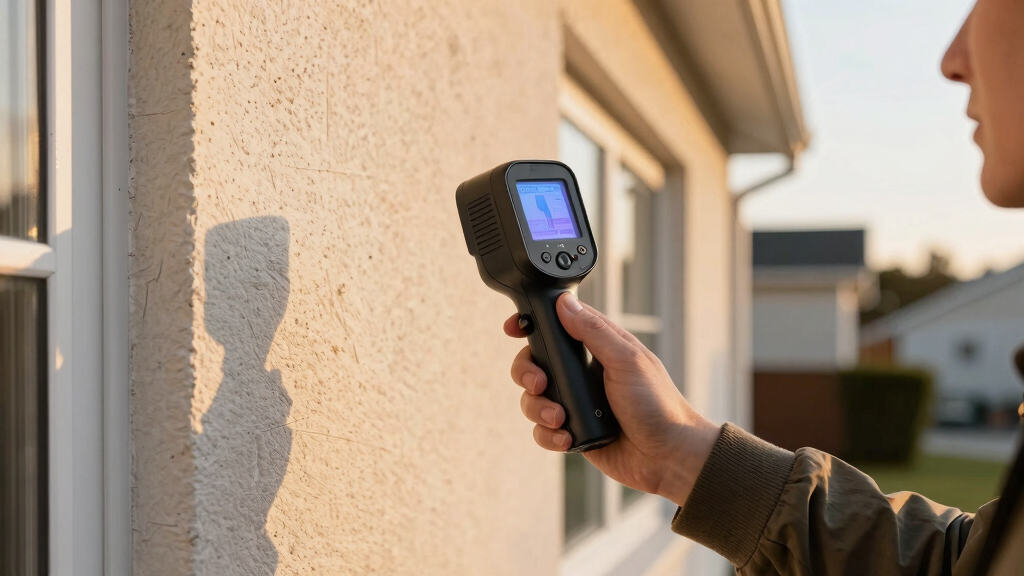
I evaluated each thermal camera based on key factors that matter most for home energy audits: resolution, temperature range, usability, battery life, and additional features like visual cameras or laser pointers. Price was also considered to balance performance with value. Products were ranked by how well they deliver accurate, detailed images while remaining user-friendly for both DIY homeowners and professionals. The goal was to identify options that offer the best tradeoff between quality and affordability, highlighting models that excel in real-world energy inspection scenarios.Factors to Consider When Choosing Best Thermal Camera For Home Energy Audits
When choosing a thermal camera for home energy audits, several factors influence how well it will perform and whether it matches your needs. Understanding these factors can help you avoid common pitfalls, such as overpaying for features you won’t use or choosing a model with insufficient resolution. The right camera should strike a balance between image quality, ease of use, and durability, depending on your inspection frequency and technical expertise.Resolution and Temperature Range
The core capability of a thermal camera is its resolution, measured in pixels, which determines how detailed the thermal images are. Higher resolution cameras reveal smaller leaks and hidden issues more clearly. Equally important is the temperature range; a wider range ensures you can detect both minor energy leaks and extreme temperature differences, making the inspection more accurate and reliable. For home audits, a resolution of at least 240×240 pixels and a range of -4°F to 1022°F generally provides a good balance of detail and versatility.
Ease of Use and Interface
Since home energy audits often involve quick scans and frequent adjustments, a user-friendly interface is essential. Touchscreens, simple controls, and clear menus can streamline inspections, especially for DIYers or less tech-savvy users. Some models include visual cameras, which overlay thermal images onto real pictures, helping to identify issues more intuitively. Consider how comfortable you are with technology—more advanced features can be valuable but might come with a learning curve.
Battery Life and Portability
Long-lasting batteries enable extended inspections without frequent recharging, which is especially useful for larger homes. Many models offer 8-18 hours of runtime—choose one that suits your typical inspection duration. Portability also matters; lightweight, compact designs make maneuvering through tight spaces easier. Keep in mind that more feature-rich models may consume more power, so balancing battery life with camera capabilities is key to a smooth workflow.
Additional Features and Compatibility
Extras like laser pointers, multiple thermal palettes, and visual cameras can enhance inspection accuracy and ease of interpretation. Laser pointers help pinpoint problem spots precisely, while visual cameras provide context that thermal images alone may lack. Compatibility with smartphones or tablets via apps can also expand functionality, allowing for easier sharing and analysis. However, these features often increase cost, so weigh their benefits against your specific needs and budget.
Price and Value
While premium models offer superior resolution and features, they come at a higher cost. For occasional use or basic leak detection, budget-friendly options often suffice. Conversely, professionals or serious DIYers who need detailed, reliable images should consider investing in higher-end models that provide better accuracy and durability. Always compare specs and reviews to ensure you’re getting the best value for your money, rather than just the lowest price or the most features.
Frequently Asked Questions
Can I use a thermal camera for both electrical and home energy audits?
Yes, most thermal cameras suitable for home energy audits are versatile enough to also inspect electrical systems. They can detect hot spots, loose connections, and circuit overloads, making them valuable for both energy efficiency assessments and electrical troubleshooting. Just ensure the camera has a sufficient temperature range and resolution to capture small or subtle electrical issues accurately. Investing in a model with visual overlay features can also improve diagnostic clarity in electrical inspections.
Is higher resolution always better for home energy audits?
Higher resolution generally enhances the detail and accuracy of thermal images, making it easier to identify small leaks or insulation gaps. However, it also increases the cost and may require more processing power. For most residential audits, a resolution of at least 240×240 pixels strikes a good balance—higher resolutions are beneficial if you need precise, professional-grade inspections or if you plan to document detailed issues regularly. For casual or occasional use, mid-range models often suffice.
How important is battery life when choosing a thermal camera?
Battery life is critical if you plan to conduct extensive inspections without frequent recharging. A longer runtime ensures you can scan entire homes or large areas without interruption, saving time and reducing frustration. Consider models offering at least 8-12 hours of battery life for typical home audits. Keep in mind that features like visual cameras or high-resolution sensors can drain power faster, so choose a model with a battery capacity that matches your inspection volume.
Should I prioritize thermal resolution over additional features?
While high thermal resolution enhances image clarity, additional features like laser pointers, visual cameras, and temperature alarms significantly improve usability and diagnostic accuracy. The best approach is to balance resolution with features that match your inspection needs. For instance, if you often inspect hard-to-see areas, a visual overlay or laser pointer may be more valuable than marginal resolution improvements. Evaluate how each feature contributes to your workflow before making a decision.
Are budget thermal cameras reliable for home energy audits?
Budget models can be effective for basic leak detection and quick assessments, but they often lack the resolution and advanced features of more premium options. They may have limited temperature ranges, lower image clarity, and shorter battery life, which can impact accuracy and ease of use. If you conduct regular or detailed inspections, investing in a higher-quality model will likely provide more reliable results. However, for occasional or simple tasks, a budget-friendly camera can still be a practical choice.