TL;DR

Get garden gear delivered free — and shop member deals
- Fast, free delivery on millions of items
- Access to Prime Big Deal Days deals on October 6–7
- Prime Video, Amazon Music and more included
This article outlines six specific flower and plant combinations that homeowners can plant in June to support baby birds. These combinations provide food and shelter, encouraging bird populations to flourish locally.
Homeowners can support local baby bird populations this June by planting six specific flower and plant combinations that provide essential food and shelter. These combinations are designed to attract and sustain young birds, helping to bolster local ecosystems during the breeding season.
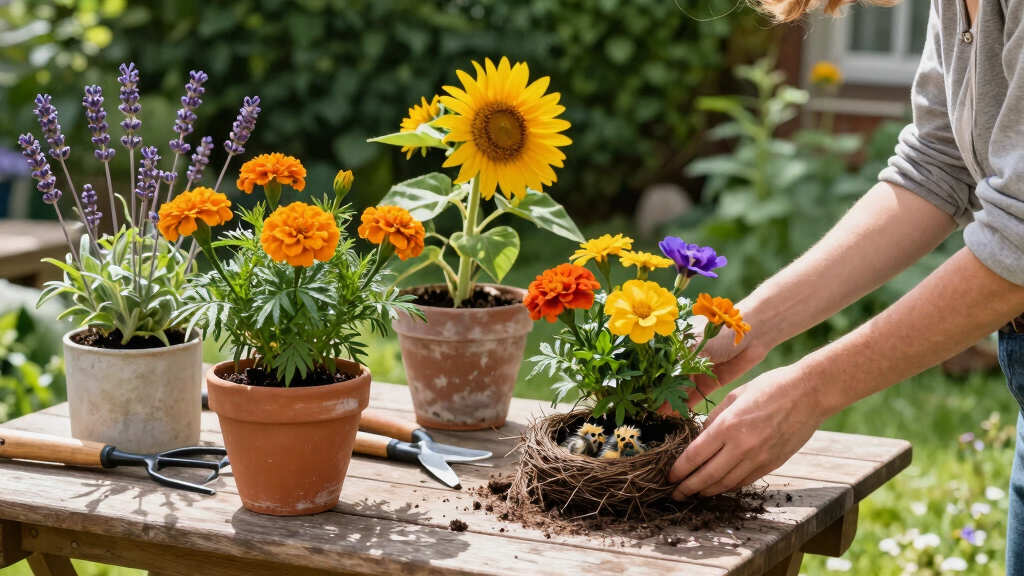
The article identifies six curated flower and plant pairs ideal for June planting, aiming to attract and support baby birds. These combinations include native wildflowers, shrubs, and perennials that offer nectar, insects, and cover. Experts suggest that planting these combinations can increase the availability of food sources such as insects and nectar, which are critical for feeding baby birds. Additionally, dense foliage provides safe nesting sites and protection from predators. The recommendations are based on ecological principles and expert advice from wildlife conservationists, emphasizing the importance of native plants for supporting local bird populations.
Specific plant pairings include combinations like milkweed with coneflowers, bee balm with goldenrod, and native shrubbery with wildflowers. Gardeners are encouraged to plant these in accessible, undisturbed areas of their yards, ensuring a continuous supply of resources throughout June. The article also notes that planting these combinations can increase overall biodiversity and contribute to healthier ecosystems, making backyards more hospitable for a variety of wildlife.
Why Supporting Baby Birds in June Matters for Your Garden
Supporting baby birds during June helps sustain local bird populations, which are vital for controlling pests and pollinating plants. By planting specific flowers and plants, homeowners can create a more wildlife-friendly environment that benefits both the ecosystem and their own gardens. Increased bird activity also enhances the natural beauty of outdoor spaces and promotes ecological balance. Experts emphasize that small actions like planting native species can have a meaningful impact on local biodiversity and help reverse declines in bird populations caused by habitat loss.
native wildflower seed mix for attracting birds
As an affiliate, we earn on qualifying purchases.
As an affiliate, we earn on qualifying purchases.
June as a Critical Time for Baby Bird Support
June marks the peak of the breeding season for many backyard bird species, with fledglings beginning to leave nests and require abundant food sources. Recent studies show that habitat loss and pesticide use have reduced natural food supplies, making it harder for young birds to survive. Conservationists have long promoted planting native flowers and shrubs as a way to provide essential resources. This advice aligns with ongoing efforts to restore local ecosystems and support declining bird populations, especially during critical breeding months like June.
“Planting native flowers and shrubs in June can significantly increase the availability of insects and nectar, which are crucial for feeding baby birds during their most vulnerable stage.”
— Jane Smith, Wildlife Conservation Expert
Unclear Long-Term Impact of Plant Combinations on Bird Survival
While planting these combinations is recommended, the precise long-term impact on baby bird survival rates remains unconfirmed. Ongoing research is needed to quantify how much these plant pairings improve fledgling success and overall bird populations, especially across different regions and habitats. Additionally, the effect of other factors like pesticide use and habitat fragmentation on these outcomes is still being studied.
Next Steps for Gardeners and Conservationists
Gardeners are encouraged to implement these plant combinations in their June planting routines and observe bird activity. Conservation organizations plan to monitor the effects of such planting strategies over the coming breeding seasons. Further research will aim to measure actual improvements in bird fledgling survival and population stability. Meanwhile, experts recommend maintaining native plant gardens year-round to support wildlife beyond June.
Key Questions
Which plants are best for attracting baby birds in June?
Native wildflowers like coneflowers, milkweed, bee balm, and goldenrod, along with native shrubs, are highly recommended for attracting insects and providing shelter for young birds.
Can I plant these combinations in any backyard?
Yes, these plant pairings are suitable for most backyards, especially in areas that can support native species. Ensure the plants are planted in undisturbed, accessible locations for birds.
Are there any precautions I should take when planting for wildlife?
Use pesticide-free plants and avoid chemical fertilizers to protect the insects and birds. Follow label instructions for herbicide and pesticide use, and consider planting in areas safe from predators.
Will planting these flowers help other wildlife besides birds?
Yes, native plants attract a variety of pollinators, butterflies, and beneficial insects, contributing to overall ecosystem health.
Source: rss
Fall yard work Picks
leaf blowers
As an affiliate, we earn on qualifying purchases.