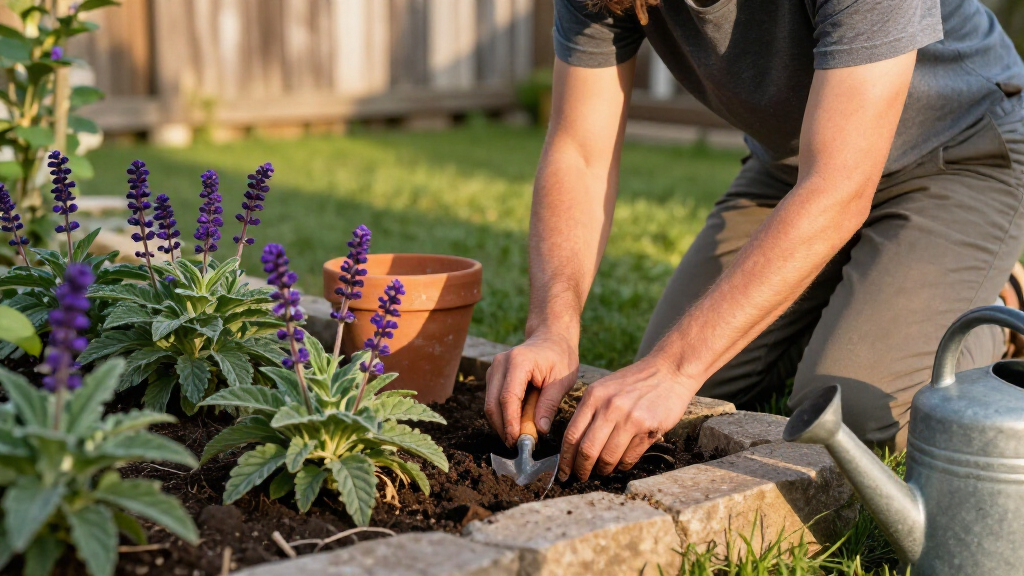

For a versatile garden edge, I’d choose variegated liriope as the best overall pick in this lineup: its grasslike foliage creates a defined border, while the 18-pack is suited to planting a longer run. Leadwood stands out for blue flowers and spreading ground cover, and creeping phlox offers a low spring display for sunny edges. The main tradeoffs are whether you want lasting structure or seasonal color, how much sun or shade the site gets, and whether you’re buying established plants or seeds that need more time and care. Read on for how the 12 options compare and which one fits your border.

Get garden gear delivered free — and shop member deals
- Fast, free delivery on millions of items
- Access to Prime Big Deal Days deals on October 6–7
- Prime Video, Amazon Music and more included
Complete the kit



Key Takeaways
- Variegated liriope is the lineup’s most border-ready choice: an 18-pack can create a repeated edge with foliage that holds its visual role beyond a short flowering window.
- Leadwood and creeping phlox suit gardeners seeking spreading coverage, but their different flower colors and site preferences make them poor substitutes for a tidy, upright edging plant.
- The four hosta seed listings point to the same shade-garden idea, but seed quantities alone do not establish how quickly or reliably a border will fill in.
- Moss rose and mixed mums bring seasonal color, while liriope and nandina are stronger candidates when foliage and form matter across more of the growing season.
- The lineup ranges from seed packets to live plants, plugs, bulbs, and a multi-plant pack; the starting format affects how soon a buyer can shape a visible border.
| 3 Mixed Mum Starter Plants, 5–7 Inches Tall |  | Best for Instant Fall Color | Plant type: Mums | Quantity: 3 starter plants | Height: 5–7 inches | VIEW LATEST PRICE | See Our Full Breakdown |
| 308 Hosta Seeds for Planting, Perennial Shade Plants with Heart-Shaped Foliage |  | Best for Shady Borders | Quantity: 308 seeds | Plant type: Perennial hosta | Light requirements: Partial shade to bright shade | VIEW LATEST PRICE | See Our Full Breakdown |
| Leadwood (Ceratostigma plumbaginoides) Live Plant Plug, Blue-Flowering Hardy Ground Cover, 1 Plant |  | Best Late-Season Color | Plant: Ceratostigma plumbaginoides (Leadwood) | Quantity: 1 live rooted starter plug | Flower color: Electric blue | VIEW LATEST PRICE | See Our Full Breakdown |
| Creeping Phlox Seeds (1000+) – Phlox subulata, Non-GMO Heirloom Ground Cover with Purple Star-Shaped Blooms |  | Best Value Ground Cover | Seed count: 1000+ | Botanical name: Phlox subulata | Seed type: Non-GMO, heirloom | VIEW LATEST PRICE | See Our Full Breakdown |
| Southern Living Obsession Nandina Shrub, 2 Gallon |  | Best Premium Statement Border | Container size: 2 gallons | USDA hardiness zones: 6–10 | Light: Full sun to part shade | VIEW LATEST PRICE | See Our Full Breakdown |
| 301+ Perennial Dianthus Seeds – Cottage Pinks & Sweet William |  | Best Fragrant Border Pick | Quantity: 301+ seeds | Plant Type: Perennial | Seed Type: Non-GMO Heirloom | VIEW LATEST PRICE | See Our Full Breakdown |
| 210+ Hosta Seeds for Shade Gardens |  | Best for Large Shade Coverage | Seed Quantity: 210+ | Plant Type: Perennial | Sunlight Exposure: Partial shade | VIEW LATEST PRICE | See Our Full Breakdown |
| Hosta Seeds for Garden, 200 Seeds |  | Best Beginner Shade Border Pick | Seed Quantity: 200 | Plant Type: Perennial, shade-loving ornamental foliage | Sunlight Exposure: Partial to full shade | VIEW LATEST PRICE | See Our Full Breakdown |
| 18-Pack Variegated Liriope Grass |  | Best Instant Edge – Live Plants | Pack Size: 18 plants | Plant Type: Evergreen perennial | Height: 12-18 inches | VIEW LATEST PRICE | See Our Full Breakdown |
| 15,000 Mix Moss Rose Heirloom Annual Flower Seeds (Portulaca Grandiflora) |  | Best Value for Sunny Edging | Seed Quantity: 15,000 seeds | Plant Type: Annual flowering ground cover | Flower Colors: Pink, yellow, red, orange | VIEW LATEST PRICE | See Our Full Breakdown |
| Willard & May Spring Flower Bulb Garden – 75 Bulk Bulbs (Mixed Tulips, Daffodils & Hyacinths) |  | Best Bulk Border Kit | Quantity: 75 bulbs | Bulb Types: Tulips, Daffodils, Hyacinths | USDA Hardiness Zone: 3-8 | VIEW LATEST PRICE | See Our Full Breakdown |
| 2,000 Purple Aubrieta (Rock Cress) Flower Seeds |  | Best Budget Ground-Cover Border | Seed Quantity: 2,000 | Plant Type: Aubrieta deltoidea (rock cress), heirloom | USDA Hardiness Zones: 3-10 | VIEW LATEST PRICE | See Our Full Breakdown |
| garden border plant | Plant type | Sunlight exposure |
|---|---|---|
| 3 Mixed Mum Starter Plants | Mums | Full sun |
| 308 Hosta Seeds for Planting | Perennial hosta | — |
| Leadwood | — | Partial sun |
| Creeping Phlox Seeds | — | — |
| Southern Living Obsession Nand | — | — |
| 301+ Perennial Dianthus Seeds | Perennial | Full Sun |
| 210+ Hosta Seeds for Shade Gar | Perennial | Partial shade |
| Hosta Seeds for Garden | Perennial, shade-loving ornamental foliage | Partial to full shade |
| 18-Pack Variegated Liriope Gra | Evergreen perennial | Partial sun; partial to full shade |
| 15,000 Mix Moss Rose Heirloom | Annual flowering ground cover | — |
| Willard & May Spring Flower Bu | — | — |
| 2,000 Purple Aubrieta | Aubrieta deltoidea (rock cress), heirloom | — |
More Details on Our Top Picks
3 Mixed Mum Starter Plants, 5–7 Inches Tall
Most border plants in this roundup demand patience — seeds, stratification, slow spreads. This three-pack of starter mums is the shortcut: at 5–7 inches tall, these plants deliver visible structure in a border the week they go in the ground, with a 4–6 week bloom window that fills the late-season gap where the Creeping Phlox has already finished. Compared with the seed-based options, you’re paying for head start and predictability, not quantity. The tradeoff is real, though. Mums demand full sun, so a shaded border that suits the Hosta seeds rules this pick out entirely. And since these are starters rather than mature plants, the first-season display is modest until they fill in. This pick makes the most sense for gardeners who want a border that looks finished now rather than in two seasons.
Pros:- Ready-to-plant starters give instant border structure
- Hardy across a wide range, USDA zones 5–9
- 4–6 week bloom period extends the border season into fall
- Three plants per set covers more linear feet than single-plug options
Cons:- Requires full sun, ruling out shaded borders
- Small starter size means a modest first-season display
Best for: Gardeners in zones 5–9 with sunny borders who want immediate late-season color without waiting on seeds
Not ideal for: Shaded yards or impatient spring gardeners — full sun is non-negotiable and blooms arrive late in the season
- Plant type:Mums
- Quantity:3 starter plants
- Height:5–7 inches
- Sunlight exposure:Full sun
- Hardiness zones:USDA zones 5–9
- Typical bloom duration:4–6 weeks
- Brand:UIOTER
Our verdict“Choose this if you want fall color in a sunny border this year, not in three years.”
308 Hosta Seeds for Planting, Perennial Shade Plants with Heart-Shaped Foliage
Almost everything else in this lineup — the mums, the Creeping Phlox, the Nandina — leans on sun. This Hosta seed pack is the border solution for shade, and at 308 seeds it offers far more planting potential than comparable packs like the 210+ or 200-seed hosta listings elsewhere in this guide. Because hostas carry their appeal in textured foliage rather than blooms, the border stays full and leafy from spring through frost, where flowering options look bare between blooms. Germination in 1–3 weeks is genuinely fast for a perennial. The honest tradeoff: starting from seed means a two-to-three-year wait for the broad, mature clumps hostas are known for, and color comes from leaves, not flowers. Gardeners wanting a flowering edge should pair this with the Dianthus seeds instead of expecting blooms here.
Pros:- Thrives in partial to bright shade where most border options fail
- 308 seeds offer the largest hosta quantity in this roundup
- Foliage interest lasts the full growing season, not just bloom windows
- Flexible indoor or outdoor sowing in spring or fall
Cons:- Mature border effect takes multiple seasons from seed
- Shade preference limits placement in mixed-sun yards
Best for: Shade-garden owners building long-term, foliage-driven borders from seed on a budget
Not ideal for: Anyone who wants flowers in the first year — hostas from seed mature slowly and bloom modestly
- Quantity:308 seeds
- Plant type:Perennial hosta
- Light requirements:Partial shade to bright shade
- Soil:Well-drained
- Sowing seasons:Spring or fall
- Germination time:1–3 weeks under warm conditions
- Growing options:Indoor or outdoor sowing
- Uses:Borders, pathways, containers, groundcover
Our verdict“The clear pick for shaded borders, provided you accept a slow build from seed.”
Leadwood (Ceratostigma plumbaginoides) Live Plant Plug, Blue-Flowering Hardy Ground Cover, 1 Plant
True blue is the rarest color in the garden, and that’s this plug’s whole argument. While the Creeping Phlox covers itself in purple in late spring and goes quiet after, Leadwood does the opposite: electric blue flowers from late summer into fall, then bronze-red autumn foliage that keeps the border interesting after everything else fades. As a single live plug, it skips the germination gamble entirely — unlike the 1000+ phlox seeds, you’re buying a rooted plant, not a probability. The drawbacks deserve honesty: you get one small starter plant, so a continuous border edge means buying multiples, and the listing carries conflicting shade and soil guidance, which means doing your own homework on placement. Compared with the mums, which also bloom late, this one adds multi-season foliage instead of a single floral flush.
Pros:- Rare electric blue blooms when most borders have finished flowering
- Bronze-red autumn foliage adds a second season of interest
- Drought tolerant once established, suited to low-water borders
- Live rooted plug avoids seed germination uncertainty
Cons:- Single plant per order makes a full border expensive
- Conflicting shade and soil claims require buyer research
Best for: Experienced gardeners who want rare blue late-season flowers and don’t mind researching placement themselves
Not ideal for: Beginners or anyone filling a long border on a budget — one plug and ambiguous care instructions demand know-how and multiple purchases
- Plant:Ceratostigma plumbaginoides (Leadwood)
- Quantity:1 live rooted starter plug
- Flower color:Electric blue
- Bloom time:Late summer into fall
- Foliage:Green, turning bronze-red and burgundy in autumn
- Sunlight exposure:Partial sun
- Uses:Ground cover, borders, rock gardens, slopes, erosion control
- Brand:CZ Grain
Our verdict“A distinctive choice for gardeners confident enough to work around vague labeling for that late blue flush.”
Creeping Phlox Seeds (1000+) – Phlox subulata, Non-GMO Heirloom Ground Cover with Purple Star-Shaped Blooms
Nothing else in this roundup offers this much linear border coverage per dollar: 1000+ heirloom seeds of a plant that mats into an 18–24 inch spread at just 4–6 inches tall — the classic low border silhouette. Once established, it’s genuinely tough: drought tolerant, deer resistant, and evergreen, so the border edge keeps its needle-like foliage through winter, something the mums and Leadwood can’t offer. But this is the most demanding germination project here. Seeds need 2–4 weeks of cold stratification, then light and steady 65–70°F temperatures, and even then the spread is slow — expect a couple of seasons before that weed-suppressing mat closes in. Compared with the Leadwood plug, you trade certainty for scale. This pick makes the most sense for patient gardeners covering slopes or long edges where buying plants individually would be impractical.
Pros:- 1000+ seeds cover far more border length than any live-plant option here
- Evergreen foliage gives year-round structure
- Drought tolerance and deer resistance suit low-maintenance xeriscaping
- Forms a dense, weed-suppressing mat ideal for edging
Cons:- Requires 2–4 weeks of cold stratification before sowing
- Light-dependent germination is tricky for beginners
- Slow spread means full coverage takes multiple seasons
Best for: Patient gardeners seeding large sunny borders, slopes, or erosion-prone edges where plant-by-plant buying isn’t feasible
Not ideal for: First-time seed starters or anyone wanting coverage this season — stratification and slow spread test patience
- Seed count:1000+
- Botanical name:Phlox subulata
- Seed type:Non-GMO, heirloom
- Plant height:4–6 inches
- Spread:18–24 inches
- Bloom season:Late spring to early summer
- Foliage:Evergreen, needle-like
- Sun exposure:Full sun (6+ hours daily)
- Hardiness zones:4–8
Our verdict“The best value for large sunny borders — if you can handle the seed-starting commitment.”
Southern Living Obsession Nandina Shrub, 2 Gallon
Where the rest of this lineup works at ankle height, this 2-gallon Nandina gives a border a structural backbone — a real shrub with shifting leaf color across all four seasons. Compared with the Creeping Phlox or the hosta seeds, this arrives as a mature container plant, so the border reads as designed on day one rather than seeded-and-hoped. Maintenance is low once established, and zones 6–10 cover most of the southern and mid-Atlantic US. The tradeoffs are commitment-shaped: establishment demands watering twice weekly for the first stretch, cold-climate gardeners in zones 5 and below are out of luck (the mums cover you there), and a 2-gallon shrub costs more per foot of border than any seed option here. This option stands out for defining the back or corners of a border, not for edging a path — that job belongs to the phlox.
Pros:- Season-long leaf color change gives the border year-round presence
- Arrives as an established 2-gallon shrub with immediate impact
- Genuinely low maintenance once established
- Tolerates full sun to part shade, offering flexible placement
Cons:- Requires twice-weekly watering during establishment
- Not hardy below USDA zone 6
Best for: Homeowners in warm zones who want an established, sculptural shrub to anchor the back of a mixed border immediately
Not ideal for: Cold-climate gardeners (below zone 6) or anyone edging narrow paths — it’s a structural shrub, not a low trim plant
- Container size:2 gallons
- USDA hardiness zones:6–10
- Light:Full sun to part shade
- Watering:Twice weekly until established, then once weekly
- Maintenance:Low
Our verdict“Worth the spend if you want instant structure and seasonal color in a warm-climate border.”
301+ Perennial Dianthus Seeds – Cottage Pinks & Sweet William
Gardeners who want a border that performs on more than one sense will appreciate this dianthus mix. The fully double, clove-scented blooms give a cottage-garden look that seed packs like the Creeping Phlox can’t match, since phlox trades fragrance for sheer carpet coverage. Dianthus also fills a gap the two hosta options leave wide open: it flowers reliably in full sun borders where hostas would scorch. The 301+ seed count is generous for edge-planting a long walkway, and the clump-forming habit keeps plants tidy rather than invasive. The tradeoff is patience and precision — seeds need sandy, well-draining soil, and the extended bloom window depends on regular deadheading, which is more hands-on than the plant-and-forget Liriope grass in this roundup.
Pros:- Spicy clove fragrance from fully double heirloom blooms
- Cold-hardy perennial across USDA zones 3-9
- 301+ seeds cover a long border or walkway
- Doubles as a cutting-garden flower for indoor arrangements
Cons:- Blooming depends on consistent deadheading through summer
- Performs poorly in heavy or water-retentive soil
Best for: Cottage-garden style gardeners in zones 3-9 who want fragrant, pollinator-friendly flowers along sunny walkways and bed edges
Not ideal for: Gardeners with clay soil or heavily shaded yards — dianthus demands full sun and sharp drainage to thrive
- Quantity:301+ seeds
- Plant Type:Perennial
- Seed Type:Non-GMO Heirloom
- Blooming Period:Spring to Summer
- Sunlight Exposure:Full Sun
- USDA Hardiness Zone:3-9
- Soil Type:Sandy, well-draining
Our verdict“This is the pick for sunny-border gardeners who want scent, heirloom pedigree, and cut flowers from a single packet.”
210+ Hosta Seeds for Shade Gardens
When the border problem is shade rather than sun, this 210+ seed pack makes sense as a bulk shade solution. Compared with the 200-count Hosta Seeds for Garden, this pack trades away detailed germination instructions in exchange for flexibility — the plants work as containers, bed fillers, or ground cover, letting one purchase handle multiple border jobs. The blue-toned foliage adds a cooler color story than the variegated Liriope grass, which leans brighter and greener. What buyers give up is guidance: with no sowing depth or germination instructions included, first-timers may struggle where the portulaca pack’s step-by-step guide makes things simple. This option makes the most sense for gardeners who already know how hostas behave and just need volume.
Pros:- Largest flexible-use hosta pack for beds, containers, and ground cover
- GMO-free perennial that returns yearly
- Blue foliage offers a distinct cool-toned border palette
- Flowers attract bees and butterflies
Cons:- No germination or growing instructions included
- Useless for sunny borders — partial shade only
Best for: Experienced shade gardeners filling multiple beds, pots, or bare ground under trees on a budget
Not ideal for: Beginners who need detailed sowing instructions — the pack provides none
- Seed Quantity:210+
- Plant Type:Perennial
- Sunlight Exposure:Partial shade
- Color:Blue
- Indoor/Outdoor Use:Outdoor
- Material Feature:GMO-free
Our verdict“A volume purchase for shade-savvy gardeners who don’t need hand-holding and want one pack to cover multiple planting situations.”
Hosta Seeds for Garden, 200 Seeds
Compared with the 210+ Hosta Seeds pack, this option stands out for actually telling you what to do: sowing depth, planting window, soil preference, and watering needs are all spelled out, which matters enormously when hosta seeds are notoriously slow to show results. The partial to full shade tolerance is broader than most entries in this roundup, covering deep-shade borders where the sun-loving dianthus and portulaca would fail completely. The tradeoff is time — hostas grown from seed can take a couple of seasons to develop their signature bold foliage, so anyone wanting an instant finished edge should look at the 18-pack live Liriope instead, which arrives as rooted plants. Seeds also demand consistently moist soil until germination, requiring more attention upfront than the drought-tolerant moss rose.
Pros:- Complete growing guidance including planting depth and timing
- Tolerates partial to full shade, the darkest spots in this roundup
- Cold-hardy across zones 3-9
- Untreated seeds suit organic gardening preferences
Cons:- Slow to germinate and slower to develop mature foliage
- Requires consistently moist soil during establishment
Best for: Patient beginners who want clear instructions and permanent shade-border foliage at a low entry cost
Not ideal for: Gardeners wanting immediate curb appeal — seed-grown hostas take seasons to reach full size
- Seed Quantity:200
- Plant Type:Perennial, shade-loving ornamental foliage
- Sunlight Exposure:Partial to full shade
- Expected Plant Height:24 inches
- USDA Hardiness Zone:3-9
- Planting Period:Early spring to late summer
- Planting Depth:1/4 inch
- Soil Type:Well-draining, rich organic soil
Our verdict“The smart shade-border starting point for beginners willing to trade instant impact for clear instructions and low cost.”
18-Pack Variegated Liriope Grass
This is the only entry in this batch that skips seeds entirely, and that changes the math: 18 rooted plants mean a defined border on day one rather than a season of waiting. The evergreen variegated foliage gives year-round structure that dianthus, portulaca, and hostas — all of which die back — simply can’t provide, making it the strongest choice for edging that must look finished in winter. Unlike the shade-bound hosta seeds, Liriope handles partial sun to full shade and becomes drought tolerant and deer resistant once settled. The honest tradeoff is cost per foot of border and care upfront: expect two growing seasons of regular watering before plants are self-sufficient, and soggy soil will invite root rot quickly.
Pros:- Arrives as live plants for instant border definition
- Evergreen striped foliage keeps edges attractive year-round
- Deer resistant and drought tolerant once established
- Purple late-summer blooms attract pollinators
Cons:- Needs regular watering through the first two growing seasons
- Prone to root rot in poorly drained or overwatered soil
Best for: Homeowners who want a neat, permanent, deer-resistant edging line established immediately without seed-starting
Not ideal for: Budget-focused buyers with long borders to fill — 18 live plants cover far less per dollar than a 15,000-seed portulaca packet
- Pack Size:18 plants
- Plant Type:Evergreen perennial
- Height:12-18 inches
- Flower Color:Purple
- Blooming Period:Late summer
- Sunlight Exposure:Partial sun; partial to full shade
- USDA Hardiness Zones:5-10
- Special Features:Deer resistant, drought tolerant, low maintenance
Our verdict“The choice for anyone who values a finished, evergreen edge today over the savings and patience seeds demand.”
15,000 Mix Moss Rose Heirloom Annual Flower Seeds (Portulaca Grandiflora)
On sheer coverage per dollar, nothing in this roundup competes: 15,000 seeds with a claimed 90%+ germination rate can edge an entire property, where the 18-pack Liriope covers perhaps a single bed. Portulaca earns its place as the toughest full-sun edger here — it shrugs off drought and poor soil that would kill dianthus, while its 3-6 inch height stays neatly below taller border companions. The included step-by-step growing guide also makes it friendlier to novices than the instruction-free 210+ hosta pack. Two real tradeoffs: it’s an annual, so the border must be reseeded yearly, unlike every perennial in this lineup, and success hinges on sowing at a finicky 1/8 inch depth in blazing sun.
Pros:- Enormous seed count for edging large areas economically
- Exceptional drought tolerance for hot, dry borders
- Mixed pink, yellow, red, and orange blooms from late spring to fall
- Growing guide included for beginners
Cons:- Annual lifecycle requires reseeding every year
- Shallow 1/8 inch sowing depth demands careful technique
Best for: Sunny, dry-property owners who want massive colorful edging coverage on a minimal budget and don’t mind reseeding
Not ideal for: Gardeners seeking a permanent border — it’s an annual that disappears after the first hard frost
- Seed Quantity:15,000 seeds
- Plant Type:Annual flowering ground cover
- Flower Colors:Pink, yellow, red, orange
- Sunlight:Full sun
- Plant Height:3-6 inches
- Spread:10-15 inches
- Bloom Period:Late spring to fall
- USDA Hardiness Zones:2-12
Our verdict“The best-value pick for sunny borders where drought tolerance, color, and coverage matter more than permanence.”
Willard & May Spring Flower Bulb Garden – 75 Bulk Bulbs (Mixed Tulips, Daffodils & Hyacinths)
Gardeners planning a full spring border need volume, and this 75-bulb mixed kit delivers it in one purchase. The layered bloom sequence — tulips, daffodils, and fragrant hyacinths flowering from early through late spring — gives a border continuous color rather than a single two-week show, something seed-based options like the 301+ Perennial Dianthus Seeds can’t match in their first year. The daffodils and hyacinths add deer resistance, while hyacinths keep the front of the border tidy at 8-12 inches. Compared with the 2,000 Purple Aubrieta Seeds, this kit trades low cost per plant for instant structural impact — bulbs store energy, so blooms arrive reliably the first spring. The tradeoff is patience: this is a fall planting, meaning no color until the following year, and it won’t perform in zones warmer than 8.
Pros:- 75-bulb bulk pack fills long stretches of border in a single purchase
- Staggered tulip, daffodil, and hyacinth blooms deliver early-to-late spring color
- Deer-resistant and cold-hardy varieties perform reliably in zones 3-8
- Bulbs naturalize and return year after year with little maintenance
Cons:- Fall planting means no blooms until the following spring
- Limited to USDA zones 3-8 — no good in warm-winter climates
Best for: Homeowners planting a new or expanded border in fall who want dramatic, layered spring color across a large area in one purchase
Not ideal for: Gardeners in zones 9-10 or anyone wanting border color this season — bulbs require fall planting and a cold winter to bloom
- Quantity:75 bulbs
- Bulb Types:Tulips, Daffodils, Hyacinths
- USDA Hardiness Zone:3-8
- Planting Period:September to December
- Blooming Period:Early to late spring
- Mature Height:Tulips/Daffodils 12-20 in; Hyacinths 8-12 in
- Special Features:Deer resistant, organic
Our verdict“Choose this kit if you’re planting a substantial border in fall and want guaranteed, deer-resistant spring structure without waiting on seed germination.”
2,000 Purple Aubrieta (Rock Cress) Flower Seeds
Not every border needs height — sometimes the job is cascading color along an edge, and that’s where aubrieta earns its spot. At 6 inches tall, it tucks neatly along walkways, stone edging, and slopes where taller picks like the 18-Pack Variegated Liriope Grass would feel bulky. The 2,000-seed count makes this the cheapest path to covering a long border, though that value comes with the standard seed tradeoff: germination requires soil at 60-65°F and plants need a season to fill in, unlike the instant-gratification 3 Mixed Mum Starter Plants. Once established, aubrieta outperforms most options here on toughness — drought and heat tolerance suited to zones 3-10, plus pollinator appeal. The catch is sun: shade-border gardeners browsing the hosta seed options should pass on this one entirely.
Pros:- 2,000 seeds cover a long border edge at minimal cost per plant
- Drought and heat tolerance suits low-water, zones 3-10 gardens
- Only 6 inches tall — perfect scale for edging without blocking views
- Attracts pollinators and resists deer while controlling erosion on slopes
Cons:- Germination requires warm soil (60-65°F), narrowing the planting window
- Full sun only — fails in shaded border spots
- Seeds take a full season to establish compared with live plants or bulbs
Best for: Budget-minded gardeners edging sunny walkways, rock gardens, or slopes who want drought-tolerant purple coverage at the lowest cost per square foot
Not ideal for: Shaded borders or impatient gardeners — aubrieta demands full sun and warm soil for germination, then time to mature
- Seed Quantity:2,000
- Plant Type:Aubrieta deltoidea (rock cress), heirloom
- USDA Hardiness Zones:3-10
- Mature Height:Approx. 6 inches
- Sunlight:Full sun
- Blooming Period:Spring to summer
- Germination Time:10-14 days at 60-65°F soil
- Special Features:Drought tolerant, deer resistant, attracts pollinators
Our verdict“This pick makes the most sense for sunny, dry border edges where a flat carpet of purple matters more than instant results.”
How We Picked
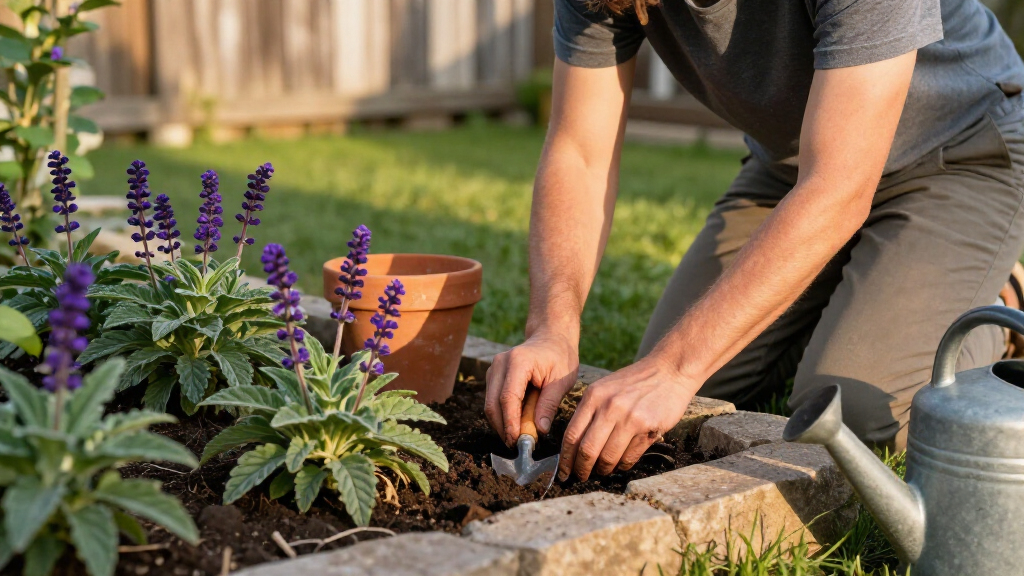
I ranked these options by how directly they serve as garden border plants: whether their growth habit can define an edge, how well their stated features suit common border needs, and whether the listing provides a practical starting quantity or established planting material. I also weighed the kind of payoff a buyer can expect—foliage structure, spreading coverage, flowering color, or seasonal display—against the wait and care implied by seeds, plugs, bulbs, or live plants.
Variegated liriope ranks first because its multi-plant format and grasslike habit most clearly fit a repeatable border. Leadwood and creeping phlox follow for ground coverage with distinct flower displays; established shrubs and plants rank ahead of seed-only options where the listing offers a more direct path to planting. The several hosta seed listings remain lower because they overlap in purpose and seed counts do not show establishment speed or garden-ready size. These rankings reflect the listed product details, not side-by-side growing trials, and actual results depend on climate, soil, light, and care.
| garden border plant | Sunlight exposure |
|---|---|
| 3 Mixed Mum Starter Plants | Full sun |
| 308 Hosta Seeds for Planting | — |
| Leadwood | Partial sun |
| Creeping Phlox Seeds | — |
| Southern Living Obsession Nand | — |
| 301+ Perennial Dianthus Seeds | Full Sun |
| 210+ Hosta Seeds for Shade Gar | Partial shade |
| Hosta Seeds for Garden | Partial to full shade |
| 18-Pack Variegated Liriope Gra | Partial sun; partial to full shade |
| 15,000 Mix Moss Rose Heirloom | — |
| Willard & May Spring Flower Bu | — |
| 2,000 Purple Aubrieta | — |
Factors to Consider When Choosing Best Garden Border Plants
Before choosing a plant, I’d start with the conditions and job of the border itself. The right pick depends on the edge’s light, desired height, time to fill in, and how much seasonal change you want to manage.
Match the Plant to the Border’s Light
Track the light where the plants will grow, rather than relying on a broad description of the whole yard. Trees, fences, and buildings can leave a border in shade for much of the day even when the garden feels sunny. A shade-oriented plant may struggle in a hot, exposed strip, while a sun-loving flowering choice can produce sparse growth where light is limited. If the border crosses different conditions, divide it into planting zones instead of expecting one species to thrive everywhere. Check the plant’s growing instructions for your region before ordering seeds or live stock. This step can save more time than choosing by flower color alone.
Decide Whether You Need an Edge or a Groundcover
A border can mark a boundary with a repeated upright form, or soften that boundary with plants that spread across the soil. These jobs call for different growth habits, even if both are sold as ground-cover or border plants. For a crisp line beside a path, look for a predictable form and plan consistent spacing. For a slope or bare patch, spreading plants may cover more ground, though they can blur the edge as they expand. Leave room for mature width and check whether the plant spreads by runners or seed. Planting too close to force a quick result can lead to crowding and extra pruning later.
Set Expectations for Seeds, Plugs, Bulbs, and Larger Plants
Starting format determines how much work and patience the border asks of you. Seeds generally need germination and growing time before they make a visible edge, while plugs and established plants provide a more developed starting point. Bulbs add a different rhythm: their display is seasonal, and the border may look quiet outside their flowering period. Compare the quantity with the length and spacing of the area you want to plant, rather than treating a large seed count as proof of coverage. Read the packet or nursery guidance for sowing depth, timing, and spacing. If you need an immediate defined edge, a seed-only option may not meet that goal.
Plan for Year-Round Structure and Seasonal Gaps
Flowers can make a border vivid for a short stretch, but foliage and form determine how it reads during the rest of the season. Decide whether you want one concentrated bloom period or a sequence of changing displays. Mixing plants with different flowering times can extend interest, but it also creates more planting and maintenance decisions. A foliage-led border can feel calmer and more consistent, while annual flowers let you change color each year. Avoid choosing every plant for peak bloom at once; the edge may look sparse before and after that moment. Sketch a simple calendar of flowering and foliage interest before buying.
Check Mature Size, Spread, and Maintenance
Plant labels and listing titles may emphasize a young plant’s size or a seed quantity, while the garden needs space for mature growth. Look up expected height and width for your climate, then compare those figures with paths, lawns, and neighboring plants. A spreading groundcover can reduce open soil but may need boundaries or occasional trimming to keep its shape. Shrubs can add more permanent structure, yet they take a different role from low edging flowers and may need pruning. Consider whether you can water new plantings regularly and keep weeds down while they establish. The easiest border is usually the one whose mature size fits the space without repeated correction.
Frequently Asked Questions
Which choice in this lineup is best for a clearly defined border?
I’d start with the 18-pack of variegated liriope because its grasslike foliage and multi-plant format lend themselves to a repeated edge. A continuous row depends on spacing and mature width, so check the growing instructions before deciding how many packs the site needs. Leadwood and creeping phlox are better suited to spreading across the soil than making a narrow, sharply outlined line. If you want a tall or shrub-like boundary, compare the mature dimensions of the nandina with the space available. The best choice depends on whether you want a low visual edge or a taller screen.
Are hosta seeds a good choice if I want a shade border soon?
Hostas are presented here as shade-garden options, but seed packets are a slower and less direct route to a filled border than established plants. The three hosta listings differ in stated quantities, but a higher count alone does not tell you how quickly seedlings will mature or how consistent the resulting foliage will be. If you need a defined edge this season, look for nursery-grown hostas sized for planting. If you can wait and enjoy raising plants, seeds may suit a longer-term project. Check germination and growing directions, and leave space for mature plants rather than spacing by seed count.
Should I choose spreading groundcover or upright plants along a path?
Choose based on how much you want the planting to cross its boundary. Spreading options such as leadwood and creeping phlox can soften a path edge and cover exposed soil, but they may need trimming to keep the walkway clear. A more upright, repeated planting can make the line easier to read and maintain. Before planting a spreader near paving, check its mature width and how it grows in your region. If the path is narrow, allow room for growth or use a physical edge. The choice is a tradeoff between a softer look and a more controlled outline.
Can I rely on flowering plants alone for a good-looking border all season?
Flowering plants can carry a border during their bloom period, but the display may fade or leave gaps at other times. This lineup includes seasonal choices such as mums, moss rose, and mixed spring bulbs, alongside foliage-led plants that can provide a steadier visual presence. To extend interest, combine plants with different bloom windows and include foliage or structure that remains useful between them. Think about what the border will look like before and after flowering, not just at peak bloom. If you prefer changing the design annually, seasonal flowers offer flexibility; a lasting edge usually calls for more than flowers alone.
How do I compare seed quantities with the number of plants I need?
A packet’s seed count cannot be translated directly into a number of mature border plants. Germination varies, some seedlings may not reach planting size, and final spacing depends on the plant’s mature spread. Check the packet’s sowing and spacing guidance, then estimate the number of plants needed for the border’s length. For plugs, live plants, and the 18-pack of liriope, count the supplied planting units and compare their mature widths with the site. If you are unsure, start with a small section and expand once you see how the plants fill the space. This avoids treating a large seed number as a guarantee of a full edge.
Conclusion
For most buyers seeking a defined, repeatable edge, I’d choose variegated liriope as the best overall. The best value in practical planting coverage is the same 18-pack: it supplies multiple plants for a longer run, though value still depends on how well its site requirements match your garden. For a premium-leaning, more permanent focal point, consider the 2-gallon Southern Living Obsession nandina, provided its mature size suits the border. Beginners who want a straightforward seasonal display may prefer the mixed mum starter plants over managing a seed packet from germination onward. For specific needs, choose hostas for a shade-focused planting, leadwood or creeping phlox for spreading coverage, and spring bulbs or moss rose when seasonal color matters most. Match the plant’s mature habit and light needs to the site, and the right pick becomes much clearer.
Fall yard work Picks
leaf blowers
As an affiliate, we earn on qualifying purchases.