
TL;DR
Homes & Gardens has highlighted resin pot feet as a way to raise container plants above the ground so excess water can drain and air can circulate. The featured six-piece set is described as frost- and corrosion-resistant and recommended for 14- to 20-inch pots; the accessory may help manage moisture, but it does not replace other winter plant care.
Homes & Gardens has featured resin pot feet as a way to lift container plants off the ground and help excess water drain during winter, when water trapped in pots can contribute to root damage. The report describes a six-piece set recommended for 14- to 20-inch pots, but the accessory is one part of winter care, not a guarantee against plant loss.

Get garden gear delivered free with Prime
- Fast, free delivery on millions of items
- Prime Video, Amazon Music and more included
- Member-only deals all year
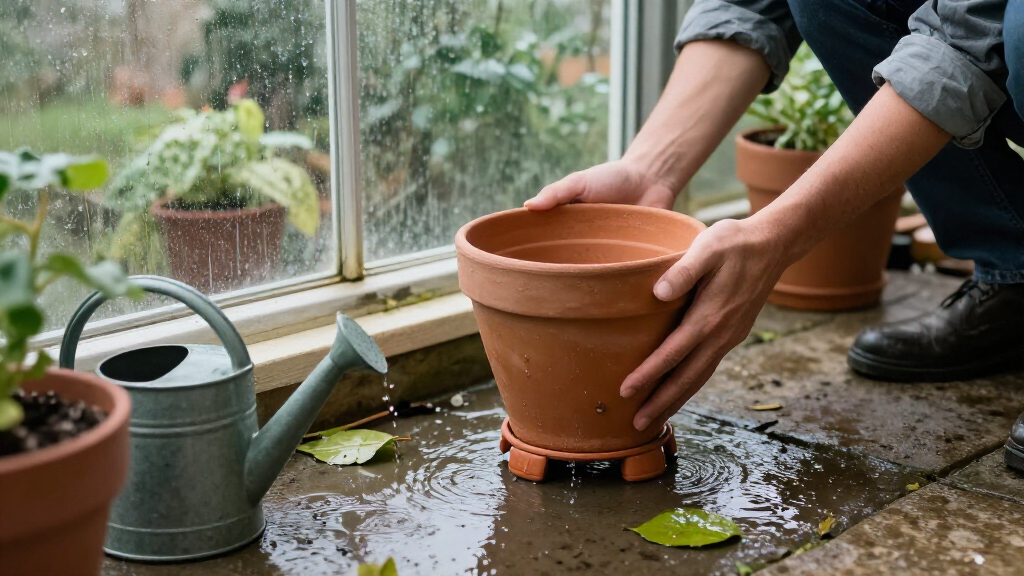
Pot feet sit beneath a planter, raising it slightly above the surface below. That gap can let water escape through drainage holes and improve airflow around the base of the container. The report says managing excess moisture can reduce the risk of roots remaining in waterlogged compost, a concern during cold, wet conditions.
The featured feet are made of resin, described in the product information as frost-resistant and corrosion-resistant, and offered in several colors. The report says the set contains six and is recommended for pots measuring 14 to 20 inches. It suggests three feet for many containers, while noting that the number needed depends on the planter. A raised lip on each foot is intended to help hold the pot in place.
The article lists the set at $23.99, or $21.99 during a deal cited in the report. Those prices and the promotion may change. These are shopper opinions, not independent tests of plant outcomes or product performance.
How Raising Pots Helps in Winter
Container plants can face different conditions from plants rooted directly in garden soil: water may collect in a pot, while the container and its roots are exposed to cold surfaces and weather. Lifting a planter can provide a route for drainage and reduce prolonged contact with a wet or freezing patio, potentially helping limit moisture-related stress.
The accessory is small and reusable, and it may also suit indoor planters where airflow or drainage is limited. But pot feet do not insulate roots or determine whether a plant is hardy enough for local winter temperatures. The source itself notes that insulating or mulching pots may also be needed to protect roots from freezing. Gardeners should still check drainage, plant needs and local conditions rather than relying on the feet alone.
Popular right now

Ninja Luxe Café Mini Plus Espresso and Coffee Maker with AutoFroth, Bone & Champagne

TCL 55 T7 Series 4K 120Hz QLED Smart Google TV (55T7)

LG 55-Inch QNED73B Mini LED 4K Smart TV (2026)
As an affiliate, we earn on qualifying purchases.
The Product and Its Reported Use
The Homes & Gardens report frames the product as a practical winter addition that can also remain in place through warmer seasons. It says improved airflow and moisture management may be useful year-round, including during humid conditions. The design is presented as decorative as well as functional, with other colors and rabbit-shaped alternatives mentioned.
According to the report, one customer said the feet were stable under a tall 17-inch pot, while another described the design as attractive and useful. A separate reviewer said the feet helped with drainage and airflow for indoor plants. These remarks reflect individual experiences; the supplied source provides no controlled comparison showing how much the product changes drainage, root health or winter survival.
“The build quality is very good. At first I thought they were small, but they actually work well for [my] 17-inch tall pot. They are very stable.”
— A five-star Amazon reviewer quoted by Homes & Gardens
What the Product Claims Cannot Establish
The supplied report does not give a publication date, identify the manufacturer, or provide test data on drainage or frost resistance. It is also unclear how much clearance the feet provide, how they perform on uneven surfaces, or whether the listed price and current deal remain available. The 4.5-star rating is reported without a review count or a date for the rating.
Results will depend on the planter’s drainage holes, potting mix, plant type and exposure to cold and rain. Pot feet cannot prevent roots from freezing, correct blocked drainage or replace appropriate watering and insulation. The report makes no guarantee that using them will prevent root rot or ensure a plant survives winter.
Check Fit Before Winter Use
Gardeners considering pot feet can first check their planter’s size, weight, base shape and drainage holes, then confirm that the feet sit securely on the intended surface. The source recommends three feet for many pots but says the number depends on the container. Any setup should remain stable, particularly for tall or heavy planters.
Before winter, owners should also review each plant’s cold tolerance and whether its container needs insulation or protection from prolonged wet weather. The report provides no follow-up testing or additional product updates, so performance claims remain unverified beyond the product description and customer reviews it cites.
Key Questions
What do pot feet do?
They raise a planter above the ground, leaving space for water to drain and air to circulate around its base.
What size pots are the featured resin feet for?
The product description cited by Homes & Gardens recommends the six-piece set for 14- to 20-inch pots. Fit and stability will depend on the planter’s shape and weight.
Do pot feet prevent winter damage?
They may help reduce water collecting beneath a pot and keep it off a cold surface. The report does not establish that they prevent root rot or freezing; other winter protection may still be needed.
Can pot feet be used indoors?
Yes. The report says they can also raise indoor planters, and quotes a shopper who said they helped with drainage and airflow. That is an individual review, not independent performance testing.
Source: homesandgardens.com