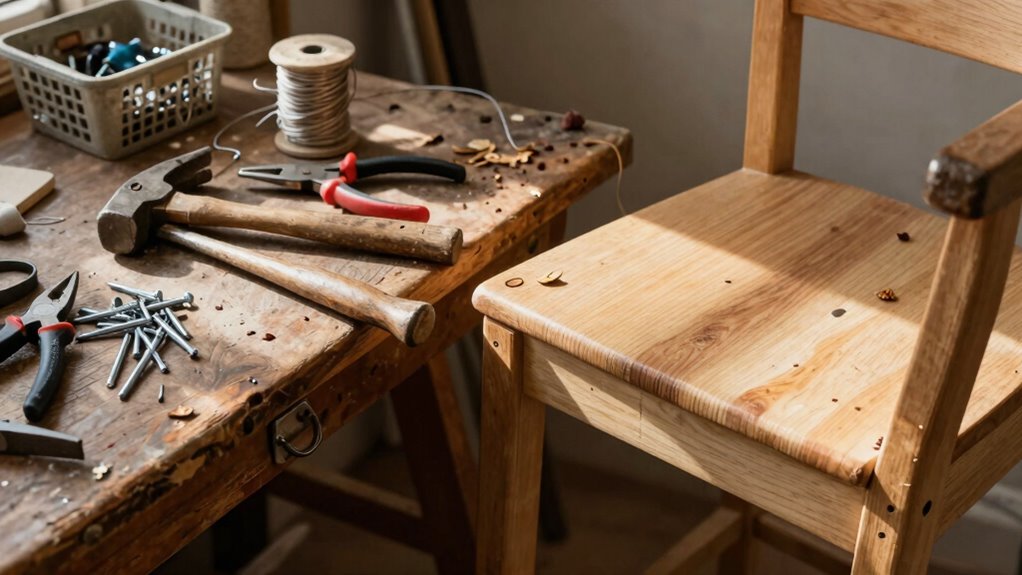

Starting small at home helps you build confidence and develop a DIY mindset, turning problems into opportunities to learn and succeed. These tiny victories encourage you to take on bigger repairs, fostering a sense of independence and pride. As you share your efforts, you inspire neighbors and strengthen community bonds. Over time, these small wins promote sustainability and resilience, forming the foundation of a strong repair culture. Keep exploring to discover how your efforts can grow even further.

Get garden gear delivered free with Prime
- Fast, free delivery on millions of items
- Prime Video, Amazon Music and more included
- Member-only deals all year
Key Takeaways
- Small repairs build confidence and a DIY mindset, making larger projects feel more manageable over time.
- Achieving small wins encourages community sharing, fostering collective repair efforts and sustainability.
- Success in minor repairs develops practical skills and promotes resourcefulness.
- Visible repair efforts inspire neighbors, strengthening community pride and engagement.
- Small repairs reduce waste and reliance on professionals, reinforcing a culture of sustainability and resilience.
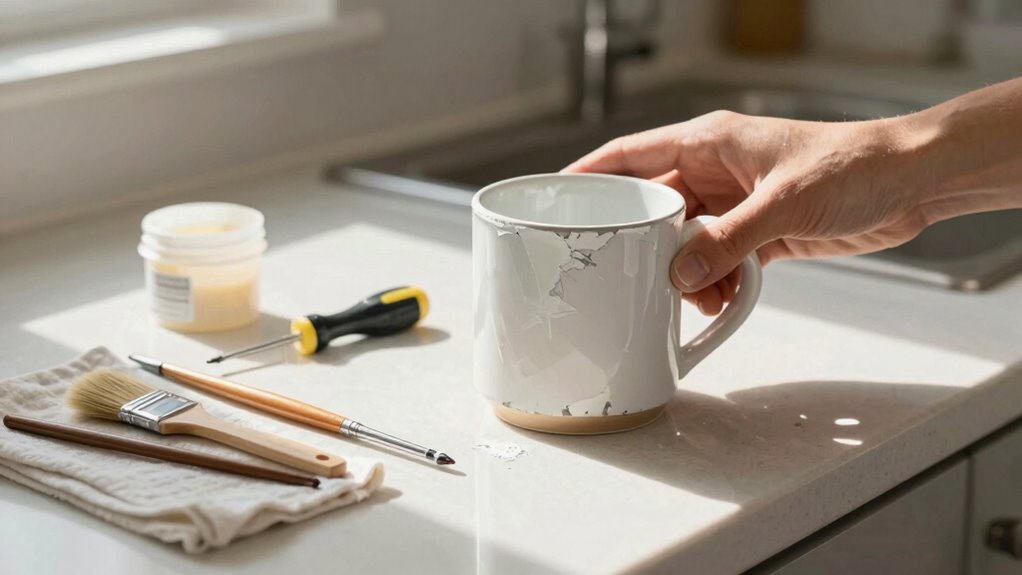
Many of us overlook the power of small repairs around the house, yet these tiny wins can spark a larger shift toward a repair culture. When you fix that leaky faucet or patch a torn curtain, you’re doing more than just maintaining your home—you’re cultivating a DIY mindset. This mindset encourages you to see problems as opportunities rather than obstacles. Instead of calling a professional for every issue, you start to believe you can handle small repairs yourself. This shift not only saves money but also boosts your confidence and sense of independence. Over time, these small successes build momentum, making you more willing to tackle bigger projects. Developing a repair mindset begins with recognizing the value of small, manageable tasks. Engaging in small repairs also influences those around you. When your neighbors see you fixing things instead of replacing them, it can inspire them to do the same. Small wins at home often lead to community engagement, as people share tips, tools, and encouragement. This collective effort fosters a repair culture that extends beyond individual households. It becomes a shared value—one rooted in sustainability, resourcefulness, and resilience. When communities embrace repair, they reduce waste and lessen the environmental impact caused by unnecessary replacements. These behaviors create a ripple effect, encouraging others to adopt a more sustainable, resource-conscious approach. Recognizing the importance of sustainable practices in repair efforts helps reinforce long-term positive habits. Cultivating a DIY mindset also helps to challenge the notion that professional intervention is always necessary, empowering individuals to become more self-reliant. Starting with small repairs gives you a practical way to develop skills and confidence. You learn to identify simple fixes, gather the right tools, and follow instructions—building a toolkit of knowledge that grows with each project. This hands-on approach makes repair feel manageable instead of intimidating. As you experience success, your willingness to take on more complex tasks increases, fostering a lifelong DIY mindset. That mindset becomes a key ingredient in establishing a repair culture, where fixing is valued over discarding. Moreover, small wins at home foster a sense of community pride and collective responsibility. When neighbors share their repair stories or swap tools, it creates a support network that encourages everyone to participate. Community engagement around repair helps dismantle the stigma of DIY failure and promotes a culture of learning and sharing. Additionally, embracing smart appliances and modern technology can make repairs and maintenance even easier, inspiring more people to participate in a repair culture. Incorporating innovative tools into your repair routine can further streamline the process and boost confidence. Over time, this shared effort contributes to a more sustainable lifestyle, emphasizing the importance of maintaining what we already have rather than constantly replacing it. Ultimately, small repairs serve as the foundation for a broader movement—one where repair, resilience, and community come together, making a lasting impact that extends far beyond your own home.
As an affiliate, we earn on qualifying purchases.
Frequently Asked Questions
How Can Small Repairs Influence Long-Term Sustainability Efforts?
Small repairs foster a repair mindset and promote sustainable habits, influencing long-term sustainability efforts. By practicing upcycling techniques and fixing items instead of discarding them, you reduce waste and conserve resources. Each small repair builds confidence and reinforces eco-friendly behavior. Over time, these actions create a ripple effect, encouraging others to adopt similar habits, ultimately contributing to a more sustainable lifestyle and a healthier planet.
What Are Common Initial Repairs Beginners Should Focus On?
You should start with simple DIY projects that make a huge difference, like fixing leaky faucets or squeaky doors. These initial repairs aren’t just small—they’re game-changers for your home’s comfort and efficiency. Focus on basic maintenance routines, like changing filters or sealing drafts, to build confidence and momentum. These small wins set the stage for tackling bigger repairs, transforming your home into a well-maintained sanctuary.
How Does Repair Culture Impact Community Relationships?
Your repair culture fosters stronger community relationships by encouraging a DIY mindset, which shows initiative and cooperation. When you repair things yourself, you often interact with neighbors for advice or assistance, building trust and camaraderie. This collaborative approach creates a sense of shared responsibility and pride, making your neighborhood more connected and resilient. Embracing repair culture transforms individual efforts into community bonds that thrive on mutual support and resourcefulness.
Can Small Home Repairs Save Money Over Time?
Yes, small home repairs can save you money over time. By tackling DIY projects, you avoid costly professional services and catch issues early before they worsen. Incorporate budget planning to prioritize repairs and make sure you have funds set aside. Regular maintenance prevents major problems, reducing long-term expenses. Small fixes also extend the life of appliances and systems, helping you save money and build a sustainable repair culture at home.
What Tools Are Essential for Starting Home Repairs?
You’ll want a versatile set of essential tools to kickstart your DIY projects and maintain your tools properly. Start with a hammer, screwdrivers, pliers, a tape measure, and a level. Add a cordless drill for efficiency. Regular tool maintenance guarantees longevity and safety. With these basics, you’re ready to tackle small repairs confidently, building skills and fostering a repair culture at home.
Conclusion
By celebrating small victories at home, you plant the seeds for a broader repair culture that can blossom in your community. Every little fix, from mending a leaky faucet to patching a torn screen, acts as a stepping stone toward sustainability and self-reliance. Just like tiny drops fill a bucket, these small wins accumulate, fueling a movement that’s as steady as a heartbeat. Embrace the power of these modest acts—they’re the quiet catalysts for lasting change.
Fall yard work Picks
leaf blowers
As an affiliate, we earn on qualifying purchases.