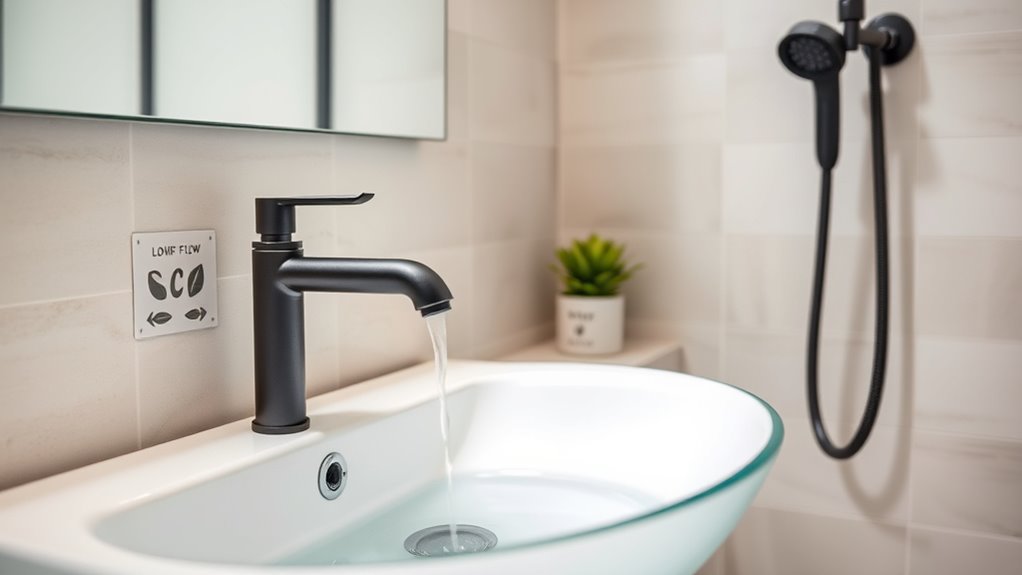

To save water, install fixtures like smart showerheads and leak detectors that help control and monitor usage. Practice habits such as turning off taps when brushing, taking shorter showers, and using full loads for laundry. Collect rainwater for outdoor needs and fix leaks promptly. These simple steps lower your utility bills, conserve water, and protect resources. Keep exploring to discover more effective ways to make a lasting difference in your water conservation efforts.

Get garden gear delivered free — and shop member deals
- Fast, free delivery on millions of items
- Access to Prime Big Deal Days deals on October 6–7
- Prime Video, Amazon Music and more included
Key Takeaways
- Install water-efficient fixtures like smart showerheads and leak detectors to reduce water usage effectively.
- Practice mindful habits such as turning off taps while brushing or shaving to conserve water daily.
- Shorten shower durations and run full loads in washing machines and dishwashers to minimize water waste.
- Use rain barrels and drought-resistant plants for outdoor watering, reducing reliance on municipal water sources.
- Regularly inspect and repair leaks promptly to prevent continuous water loss and property damage.
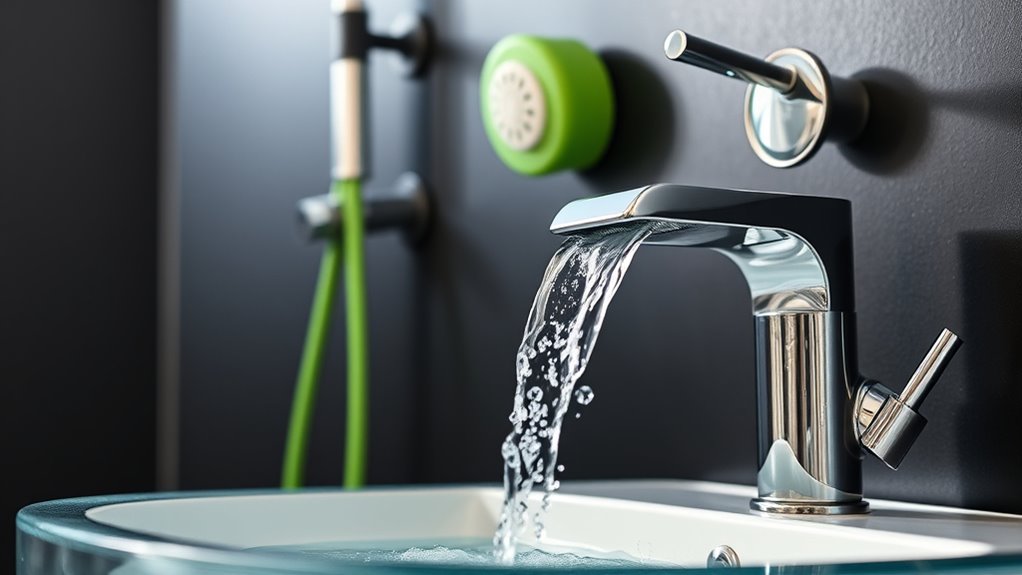
Saving water is essential for conserving this indispensable resource and reducing your utility bills. One of the simplest ways to make a difference is by upgrading your bathroom fixtures, starting with smart showerheads. These innovative devices are designed to limit water flow without sacrificing comfort, helping you enjoy your shower while using less water. Many smart showerheads come with adjustable settings that let you control the spray pattern and pressure, ensuring you still get a satisfying shower experience. Additionally, some models feature timers or motion sensors, so water only runs when you’re actively using it. By installing smart showerheads, you’re not only saving water but also reducing energy consumption since less hot water is used, which cuts down your heating costs.
Upgrade to smart showerheads to save water and energy without sacrificing comfort.
Beyond fixtures, paying attention to leak detection is essential. Small leaks might seem insignificant, but over time, they can waste gallons of water each day. You should regularly check under sinks, around toilets, and near appliances for signs of leaks. Modern leak detection devices are easy to install and provide real-time alerts if a leak is detected, preventing water wastage and potential damage. Early detection allows you to fix issues promptly, saving money and conserving water. If you notice constantly running toilets or dripping faucets, don’t ignore these signs—they can be major culprits of water waste. Replacing worn-out washers or fixing faulty valves can greatly reduce unnecessary water flow. Using water-efficient fixtures can further optimize your water consumption and maximize savings.
Adopting mindful habits complements these fixture upgrades. Simple changes like turning off the tap while brushing your teeth or shaving can save a surprising amount of water daily. Taking shorter showers or filling the bathtub only halfway also helps. When washing clothes, use full loads and select water-efficient cycles. If you have a garden, opt for drought-resistant plants and water early in the morning or late in the evening to minimize evaporation. Installing rain barrels can also help collect free, natural water for outdoor use.
Combining smart fixtures, like leak detection systems and water-efficient showerheads, with conscious habits maximizes your impact. You’ll notice the difference in your utility bills and feel good knowing you’re doing your part to preserve water resources. These small but effective steps make a big difference over time, ensuring the availability of clean water for future generations. Stay proactive, stay informed, and integrate these fixtures and habits into your daily routine for a more sustainable lifestyle.
smart showerhead with adjustable settings
As an affiliate, we earn on qualifying purchases.
As an affiliate, we earn on qualifying purchases.
Frequently Asked Questions
How Do I Choose the Most Water-Efficient Fixtures for My Home?
To choose the most water-efficient fixtures, look for toilets labeled with high toilet efficiency ratings, like WaterSense, which use less water per flush. Opt for faucet aerators that restrict flow while maintaining good pressure. Check product labels for water-saving features, and compare models to find those with the lowest flow rates. This way, you’ll save water without sacrificing performance, making your home more eco-friendly and cost-effective.
What Are the Costs Associated With Installing Water-Saving Fixtures?
The installation costs for water-saving fixtures typically range from $100 to $300 per fixture, depending on the type and complexity. You might also face maintenance expenses over time, but these are usually lower than traditional fixtures, since they’re designed to be durable and efficient. Keep in mind, investing in quality fixtures can reduce your water bills and save you money in the long run, making the upfront costs worthwhile.
Can Water-Saving Habits Reduce Overall Water Bills Significantly?
Water-saving habits can markedly reduce your water expense, especially when you practice water conservation daily. By turning off taps when not in use and fixing leaks promptly, you naturally cut down on water usage. These small actions add up, making a noticeable difference in your bill. Consistent effort in water conservation not only saves money but also helps protect our precious water resources, creating a positive impact for you and the environment.
Are There Government Rebates for Installing Water-Efficient Fixtures?
Yes, there are government rebates available for installing water-efficient fixtures. You can often apply for these rebates through local or state programs that encourage water conservation. By taking advantage of these incentives, you reduce your upfront costs and contribute to water savings. Check with your municipality or utility provider to see what rebates are currently offered and how you can qualify to make your home more eco-friendly and cost-effective.
How Can I Tell if My Current Fixtures Are Wasting Water?
You can tell if your fixtures are wasting water by checking for leaks and performing fixture maintenance. Look for constant running sounds, dripping faucets, or unusually high water bills. Conduct leak detection by turning off all fixtures and observing if the meter still moves. Regularly inspect and maintain fixtures to ensure they’re functioning efficiently, preventing leaks that squander water and increase your bills.
Conclusion
By adopting water-saving fixtures and habits, you can make an enormous difference—saving gallons of water daily. Every small change you make is like turning a tiny faucet into a mighty river of conservation. Remember, your actions could be the difference between depleting our planet’s most precious resource or preserving it for generations to come. So, take charge now—because your simple habits can have an impact greater than you ever imagined.
Fall yard work Picks
leaf blowers
As an affiliate, we earn on qualifying purchases.