Minimalism and sustainability go hand in hand because reducing clutter and possessions helps lower waste, pollution, and resource use. By choosing quality over quantity, repairing instead of discarding, and adopting eco-friendly habits, you support environmental conservation while simplifying your life. mindful consumption not only minimizes your ecological footprint but also promotes responsible choices that benefit the planet. Staying committed to minimalist values can inspire ongoing sustainable practices, and there’s more to discover about how they truly connect.

Get garden gear delivered free — and shop member deals
- Fast, free delivery on millions of items
- Access to Prime Big Deal Days deals on October 6–7
- Prime Video, Amazon Music and more included
Key Takeaways
- Minimalism reduces waste and resource consumption by encouraging intentional, quality-focused purchasing and lifespan extension of products.
- Both promote eco-friendly habits like repairing, reusing, and choosing sustainable materials to lessen environmental impact.
- Simplifying possessions decreases overall waste and demand for manufacturing, supporting a circular economy.
- Minimalist lifestyles foster mindful consumption, aligning personal choices with environmental sustainability goals.
- Embracing minimalism contributes to global efforts for conservation, reducing ecological footprint and promoting responsible living.
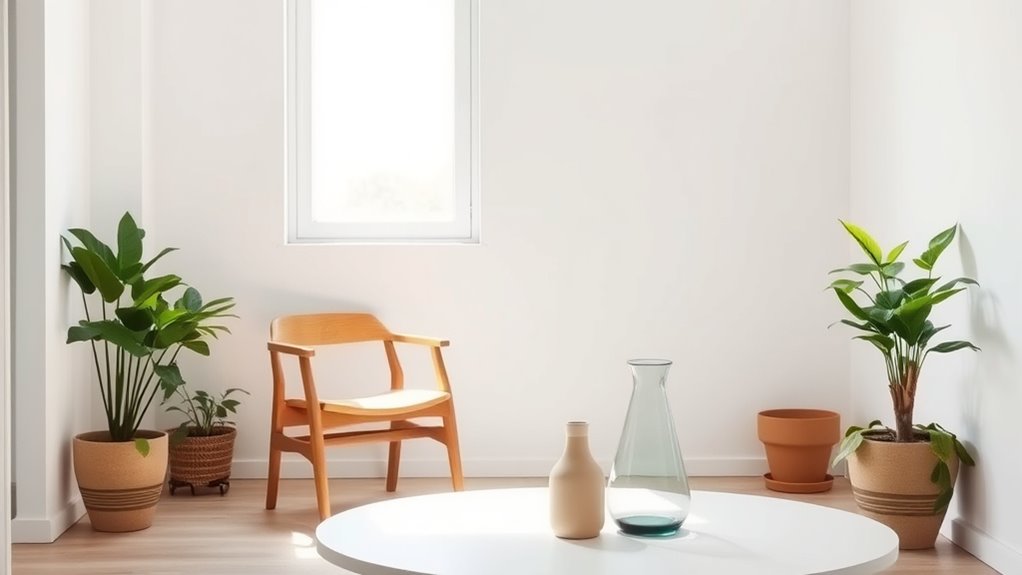
Have you ever wondered how simplifying your life can benefit the planet? When you embrace minimalism, you naturally focus on clutter reduction, which not only clears your space but also minimizes waste. Cutting down on unnecessary possessions means fewer items end up in landfills, reducing pollution and conserving resources. This approach aligns perfectly with eco friendly choices, as it encourages you to be more intentional about what you bring into your home. Instead of impulsively buying the latest gadget or trendy decor, you prioritize quality and longevity, which leads to less consumption overall. This mindset shift directly supports sustainability because it reduces the demand for manufacturing new products, lowering energy use and raw material extraction.
Embracing minimalism reduces waste, conserves resources, and supports sustainable, eco-friendly living through intentional choices and clutter-free habits.
By consciously choosing to limit your possessions, you start to see how your everyday habits can impact the environment. Minimalism pushes you to evaluate whether each item serves a purpose and adds value to your life. This process naturally promotes eco friendly choices, such as opting for products made from sustainable materials or supporting brands committed to ethical practices. When you buy less, you also tend to repair and repurpose items instead of discarding them. This habit extends the life cycle of your belongings, lessening waste and saving you money in the long run. It’s a practical way to live more sustainably without sacrificing comfort or style.
Clutter reduction, at its core, encourages you to be more mindful of your consumption patterns. Instead of accumulating possessions out of habit or impulse, you develop a thoughtful approach to what you truly need. This mindfulness can lead to choosing eco friendly alternatives, like reusable containers, biodegradable cleaning supplies, or energy-efficient appliances. These small yet impactful choices contribute to a healthier planet, and they often make your daily routines more efficient and less wasteful. As you declutter your space, you’re also decluttering your mind, gaining clarity and peace. This sense of calm often motivates further environmentally conscious decisions, creating a positive feedback loop of minimalism and sustainability. Recognizing the importance of sustainable living practices can further deepen your commitment to making eco-friendly choices.
Ultimately, when you prioritize clutter reduction and eco friendly choices, you become part of a larger movement that values quality over quantity and sustainability over excess. Your lifestyle becomes more aligned with protecting the planet, proving that minimalism isn’t just about reducing possessions, but about making meaningful, responsible choices. By simplifying your life, you not only enhance your personal well-being but also contribute to a healthier, more sustainable world for future generations.
eco-friendly reusable storage containers
As an affiliate, we earn on qualifying purchases.
As an affiliate, we earn on qualifying purchases.
Frequently Asked Questions
How Can Minimalism Reduce Environmental Impact Effectively?
You can reduce environmental impact effectively by embracing minimalism through waste reduction and choosing eco-friendly materials. By buying only what you need, you cut down on excess waste, decreasing landfill contributions. Opt for sustainable materials like bamboo, recycled metal, or organic fabrics, which lessen resource extraction. This mindful approach not only conserves resources but also promotes a more sustainable lifestyle, making a real difference for the planet.
What Are Common Misconceptions About Minimalism and Sustainability?
You might think minimalism magically solves all environmental issues, but that’s an overgeneralization. Stereotypes suggest minimalists are always eco-friendly, yet many wear the label without making real changes. Don’t fall for the hype of eco-friendly labels that can be misleading; they often hide less sustainable practices. Minimalism isn’t a one-size-fits-all solution, and understanding its nuances helps you avoid misconceptions that can hinder genuine sustainability efforts.
Can Minimalism Be Adapted to Different Cultural Contexts?
Yes, you can adapt minimalism to different cultural contexts by respecting local cultural expressions and traditions. You should explore adaptation strategies that incorporate cultural values, such as community sharing or traditional craftsmanship, instead of imposing a one-size-fits-all approach. By doing so, you create a meaningful minimalist lifestyle that honors cultural diversity while promoting sustainability. Embrace local practices, and you’ll find that minimalism becomes more authentic and sustainable in any cultural setting.
How Does Minimalism Influence Consumer Behavior Long-Term?
Think of minimalism as a gentle compass guiding your consumer habits. It influences you to prioritize quality over quantity, making you more intentional in your decision-making processes. Over time, this shift encourages sustainable choices, reduces clutter, and fosters long-term satisfaction. You become more mindful about every purchase, shaping healthier consumer behaviors that last, ultimately transforming your habits into a sustainable lifestyle that benefits both you and the planet.
What Are Practical Steps to Start a Sustainable Minimalist Lifestyle?
To start a sustainable minimalist lifestyle, you should focus on adopting eco-friendly habits like reducing waste and conserving energy. Practice ethical shopping by choosing products made sustainably and supporting fair trade brands. Declutter your space to prioritize quality over quantity, and invest in durable, timeless items. Be mindful of your consumption, and opt for reusable alternatives whenever possible to minimize your environmental impact and build a more intentional, sustainable life.
Conclusion
By embracing minimalism, you actively align your actions with sustainability, shaping a simpler, more sustainable society. As you shed excess and prioritize purpose, you promote planet-friendly practices and reduce waste. This deliberate dedication to less not only lessens your ecological footprint but also nurtures a more mindful, meaningful life. So, step into this sustainable style, stay committed, and watch your world become more wonderful, wise, and wonderfully worth it. Your minimalist movement makes a meaningful, measurable difference.
Fall Picks
fall essentials
As an affiliate, we earn on qualifying purchases.