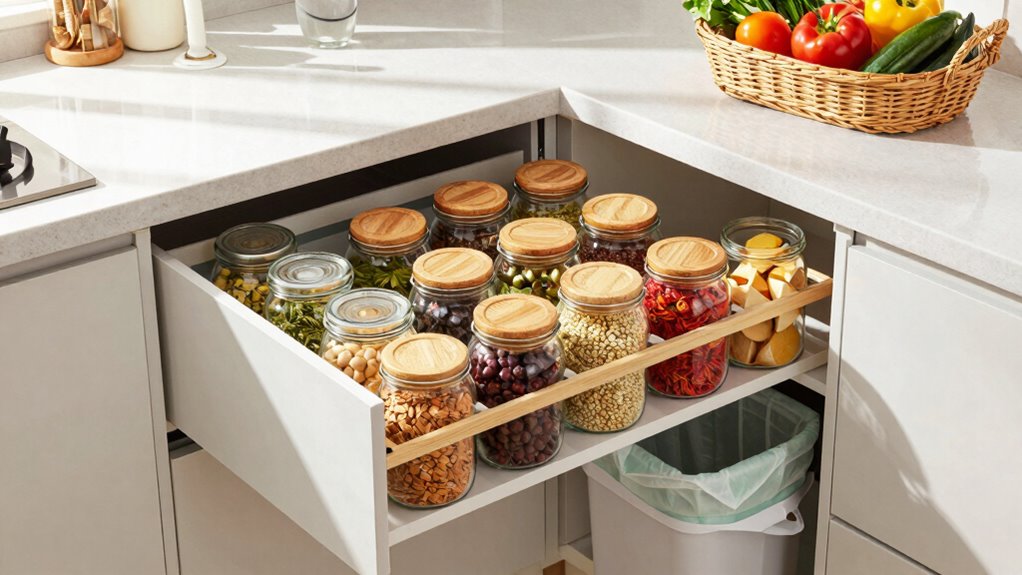

Organizing your home storage helps you keep food fresh longer, preventing spoilage and reducing waste. When you use proper containers, label items, and keep track of expiration dates, you’re more likely to use leftovers and produce before they go bad. Good storage also encourages mindful consumption and makes meal planning easier. By improving your storage habits, you’ll see less food thrown away and save money, with more tips to come if you keep exploring.

Get garden gear delivered free with Prime
- Fast, free delivery on millions of items
- Prime Video, Amazon Music and more included
- Member-only deals all year
Key Takeaways
- Proper organization highlights older items, encouraging timely use and reducing spoilage.
- Effective storage techniques extend food freshness, decreasing the likelihood of waste.
- Recognizing signs of spoilage prevents unnecessary disposal of still-edible food.
- Using airtight containers and shelving minimizes spoilage and preserves food quality longer.
- Better storage habits support meal planning, reducing impulse purchases and excess leftovers.
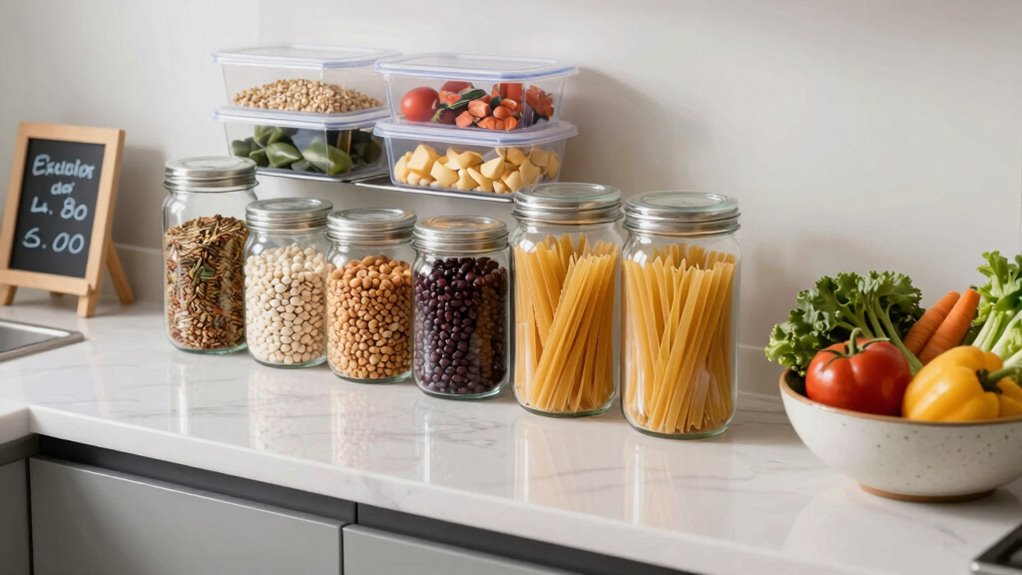
Home storage isn’t just about keeping food cold or in sealed containers; it’s about creating a system that encourages regular use of your ingredients. You can organize your pantry and fridge in a way that highlights older items, prompting you to incorporate them into meals before they spoil. This strategic approach to storage naturally supports your meal planning efforts. When your food is stored properly, you’re less likely to forget about leftovers or forgotten produce hiding at the back of your fridge, which often ends up in the trash. Investing in good storage containers, airtight lids, and proper shelving can make a notable difference. Additionally, understanding the importance of biodiversity in food systems can inspire more sustainable choices in your storage and sourcing practices. Recognizing the variety of foods and their origins can also influence how you store and preserve them, promoting more environmentally conscious habits. The diversity of food sources can help you adopt more resilient and sustainable storage solutions, reducing waste and supporting local ecosystems. Incorporating food preservation techniques into your routine can further extend the freshness of your food and lessen waste. Developing an awareness of food spoilage signs can help you identify when food is nearing its expiration, preventing unnecessary disposal. Ultimately, changing your home storage habits transforms your food waste patterns. It’s not just about preventing spoilage; it’s about building a more efficient, mindful way of eating that minimizes waste. When you combine meal planning with smart food preservation and storage techniques, you take control of your food system and reduce the environmental and financial impact of unnecessary waste. It’s a simple shift, but one that can lead to a noticeable difference in the amount of food you throw away and how much fresher, more nutritious food you get to enjoy.
airtight food storage containers
As an affiliate, we earn on qualifying purchases.
As an affiliate, we earn on qualifying purchases.
Frequently Asked Questions
How Does Container Size Affect Food Preservation?
Container size directly impacts food preservation by influencing portion control and container design. Smaller containers help you store just what you need, reducing the chance of spoilage and waste. Well-designed containers with airtight seals keep food fresh longer, while larger containers can lead to over-purchasing and excess leftovers. By choosing the right size, you promote better portion control, minimize waste, and extend the freshness of your food effectively.
What Are the Best Storage Temperatures for Different Foods?
Think of your fridge as a treasure chest, where each item needs its own secret temperature. For ideal refrigeration, keep dairy and leftovers at 35-40°F, while fruits and vegetables thrive slightly colder, around 32-40°F. Freezing techniques involve setting your freezer at 0°F to preserve freshness. Proper temperatures prevent spoilage and extend food’s life, helping you reduce waste and save money. Always check your appliance’s thermostat regularly for best results.
How Often Should I Reorganize My Pantry?
You should reorganize your pantry every 3 to 6 months to maintain efficient pantry organization and prevent food waste. Regularly check for expired items and update shelf labeling to reflect new stock. Reorganizing helps you spot items you might forget, reduces clutter, and keeps everything accessible. A well-maintained pantry with clear labels encourages better food management, minimizes waste, and makes shopping easier, saving you time and money.
Do Specific Storage Methods Prevent Food Spoilage Better?
Yes, specific storage methods can better prevent food spoilage. Using proper food packaging, like airtight wraps or vacuum-sealed bags, reduces exposure to air and moisture, slowing spoilage. Storage containers, especially clear, airtight ones, help keep food fresh longer by preventing contamination and maintaining ideal humidity levels. These methods make it easier to monitor freshness, minimize waste, and extend the shelf life of your groceries.
How Does Home Storage Influence Grocery Shopping Habits?
Home storage acts as your culinary compass, guiding your grocery trips with steady hands. When you organize your space well, you’re more likely to plan meals thoughtfully, reducing impulse buys and avoiding waste. This mindful approach helps you stick to your budget, making each shopping trip intentional. As you see your pantry and fridge as allies, you’ll shop smarter, saving money and nourishing your family with precision and care.
Conclusion
By optimizing your home storage, you can substantially reduce food waste—did you know that up to 40% of food in the US is wasted, often due to poor storage? When you organize your fridge and pantry, you not only save money but also help the environment. Small changes in how you store food can make a big difference. So, start rethinking your storage habits today and join the effort to cut down waste!
Halloween Picks
halloween
As an affiliate, we earn on qualifying purchases.