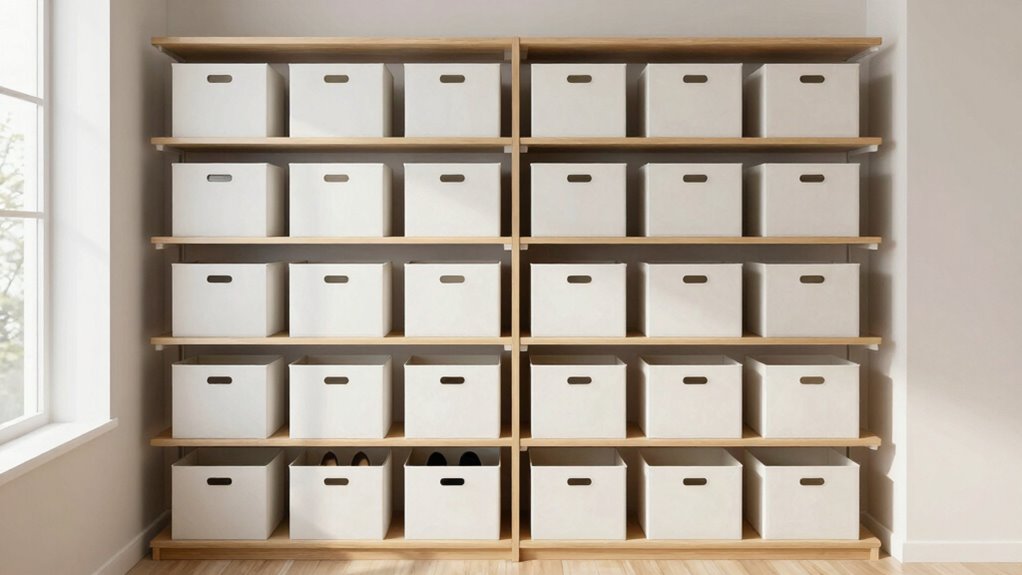

Proper storage and organization help you reduce clutter, preventing unnecessary purchases and waste. When your belongings are well-arranged, you conserve resources by extending their lifespan and minimizing the need for replacements. It also makes you more aware of what you already have, discouraging impulse buying and overstocking. By organizing your space, you support sustainable habits that lower environmental impact. Keep exploring how these simple steps can make a meaningful difference for the planet.

Get garden gear delivered free with Prime
- Fast, free delivery on millions of items
- Prime Video, Amazon Music and more included
- Member-only deals all year
Key Takeaways
- Proper storage reduces clutter, minimizing unnecessary consumption and packaging waste.
- Organized spaces extend item lifespan, decreasing the need for replacements and resource use.
- Efficient organization prevents overbuying and impulse purchases, lowering environmental impact.
- Thoughtful storage supports mindful consumption, promoting repair, recycling, and sharing habits.
- Well-maintained storage systems enhance resource management, reducing overall energy and ecological footprints.
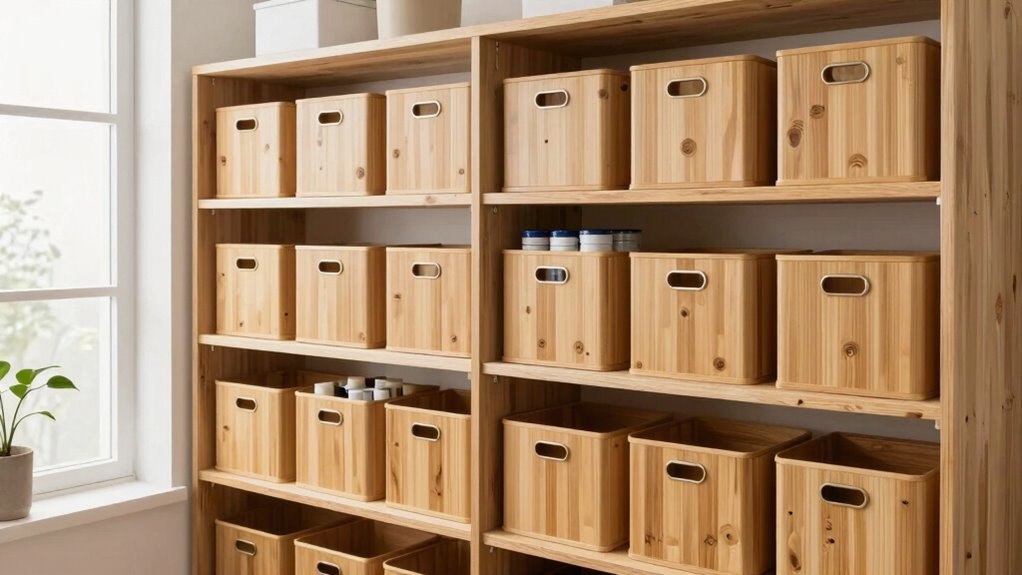
Proper storage and organization aren’t just about tidiness—they’re powerful tools for promoting sustainability. When you take the time to organize your space effectively, you reduce clutter, which leads to less waste and more efficient use of resources. Clutter can cause you to buy duplicates of items you already own or overlook what you have altogether. By keeping things orderly, you’re less likely to purchase unnecessary products, which helps cut down on packaging waste and reduces your overall consumption. In this way, organization directly supports clutter reduction, a key aspect of sustainable living.
Organizing your space reduces waste, prevents unnecessary purchases, and supports sustainable living practices.
Resource efficiency is another essential benefit of smart storage solutions. When your belongings are properly stored, you can easily find what you need without wasting time or energy. This reduces the likelihood of items being forgotten and discarded prematurely, which helps extend the lifespan of your possessions. Additionally, good storage practices encourage you to use items more thoughtfully, ensuring they last longer and don’t end up in landfills too soon. For example, neatly storing seasonal clothing or tools prevents damage and makes it easier to maintain and reuse them, ultimately conserving resources.
Furthermore, efficient storage systems can minimize the need for excess purchasing. When you know exactly where your items are, you’re less inclined to buy replacements or additional supplies. This not only saves money but also decreases the demand for manufacturing, transportation, and packaging—activities that have significant environmental impacts. By organizing your supplies and belongings, you’re actively reducing your ecological footprint.
Effective storage isn’t just about placing items in cabinets or containers; it’s about creating a system that promotes mindful consumption. When your space is organized, you become more aware of what you already own, preventing impulsive buying and overstocking. This awareness leads to more sustainable habits, such as repairing instead of replacing, sharing tools or resources, and recycling items appropriately. Over time, these actions accumulate, fostering a lifestyle that values resource conservation and waste reduction.
In addition, sustainable storage practices can help you better understand resource management, allowing for more conscious decisions about consumption and waste. This understanding can lead to more environmentally conscious choices in everyday life, further amplifying the positive impact of your organization efforts. Incorporating efficient storage techniques can also contribute to reducing your overall energy consumption by making your home more organized and easier to maintain.
In essence, embracing smart storage and organization isn’t merely about aesthetics—it’s a meaningful step toward sustainability. It helps you cut clutter, use resources more efficiently, and adopt habits that protect the environment. When you prioritize these practices, you’re making conscious choices that benefit not only your living space but also the planet. This simple shift in how you manage your belongings can lead to lasting positive change, proving that effective storage truly is a critical sustainability tool.
As an affiliate, we earn on qualifying purchases.
Frequently Asked Questions
How Does Organization Reduce Energy Consumption in Households?
You reduce energy consumption by organizing your household efficiently, which helps you identify and eliminate unnecessary energy use. When your space is well-organized, you can easily access and use energy-efficient appliances, avoiding waste. Additionally, proper storage encourages the use of renewable energy sources, like solar panels, by making it easier to manage energy systems. This organized approach minimizes waste, lowers energy bills, and supports a more sustainable, eco-friendly home.
Can Storage Solutions Extend the Lifespan of Everyday Items?
Sure, storage solutions can definitely extend the lifespan of your everyday items. Ironically, using upcycling containers and modular shelving keeps things organized and protected, preventing unnecessary wear and tear. When you store items properly, you avoid damage and clutter. This simple act of thoughtful storage helps you reuse items longer, making your belongings last longer and reducing waste—proof that good organization isn’t just neat, but eco-smart too.
What Eco-Friendly Materials Are Best for Sustainable Storage?
You should choose eco-friendly materials like biodegradable containers and recycled shelving for sustainable storage. Biodegradable containers break down naturally, reducing waste and pollution. Recycled shelving repurposes old materials, cutting down on new resource use and landfill waste. These options keep your space organized while supporting environmental health. By opting for biodegradable and recycled materials, you actively reduce your carbon footprint and promote a more sustainable lifestyle.
How Does Decluttering Impact Waste Reduction Efforts?
You might be surprised how decluttering boosts waste reduction efforts, proving that less is more. When you downsize possessions, you open up upcycling potential and embrace a minimalist lifestyle, which minimizes excess and reduces landfill waste. Fewer items mean fewer resources used for production, shipping, and disposal. By decluttering intentionally, you actively contribute to sustainability, making a tangible impact on the environment while creating a more organized, peaceful space for yourself.
Are There Cost-Effective Storage Options for Sustainability?
Yes, you can find budget-friendly, space-saving storage options that support sustainability. Look for repurposed or vintage containers, which are often inexpensive and reduce waste. Modular shelves and stackable bins maximize space without buying new furniture. DIY solutions, like upcycled jars or crates, offer affordable, eco-friendly storage. These choices help you organize efficiently while minimizing environmental impact and saving money, making sustainability accessible and practical for your home.
Conclusion
Think of your storage and organization skills as the roots of a mighty tree—firm, steady, and essential. When you tidy up and create space, you’re not just decluttering; you’re nurturing a sustainable future. Every well-placed item and every organized shelf is like a drop of water nourishing the earth. So, embrace these tools, and watch your habits grow into a lush forest of mindful, eco-friendly living—where sustainability flourishes from the ground up.
Columbus Day / Indigenous Peoples' Day Picks
long weekend sales
As an affiliate, we earn on qualifying purchases.