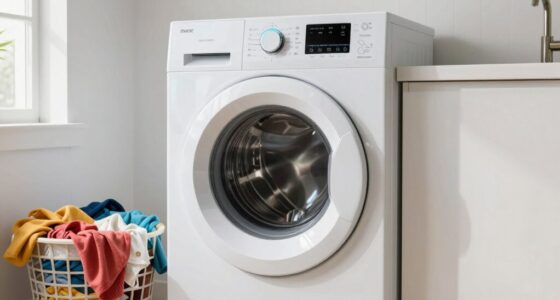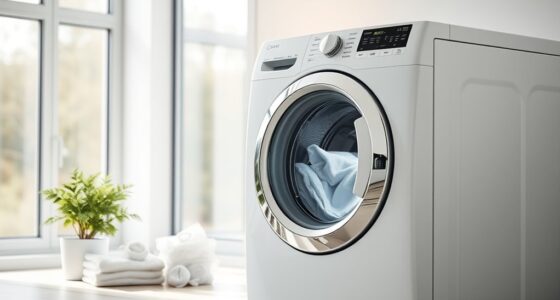

Durable goods often outperform disposable green alternatives because they last longer, reducing waste and the need for frequent replacements. They’re designed for reuse and recyclability, lowering overall resource consumption over time. While green products aim to be eco-friendly, some can be hard to recycle or decompose properly, which can harm the environment. To discover how durability and smart design make a real difference, keep exploring what’s truly sustainable.

Get garden gear delivered free with Prime
- Fast, free delivery on millions of items
- Prime Video, Amazon Music and more included
- Member-only deals all year
Key Takeaways
- Durable goods have a longer lifespan, reducing overall waste and the need for frequent replacements.
- They require fewer manufacturing cycles, lowering energy consumption and environmental impact over time.
- Proper recyclability of durable products facilitates circular resource use and minimizes waste accumulation.
- Green alternatives often face decomposition challenges, risking environmental persistence and pollution.
- Extended usability of durable items lessens environmental risks associated with waste leakage and improper disposal.
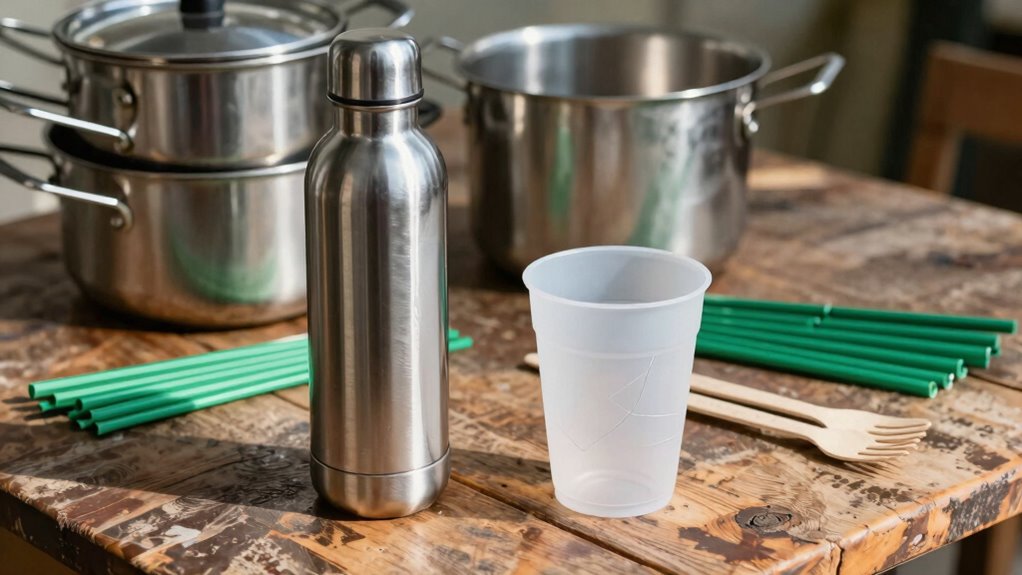
As consumers become more environmentally conscious, the choice between durable goods and green alternatives has gained increasing importance. While green products often promise eco-friendliness, they can sometimes fall short when you consider the bigger picture, especially regarding recyclability concerns and manufacturing impacts. Many disposable green alternatives are marketed as sustainable because they’re made from biodegradable or recycled materials, but their lifecycle can be more complex than it appears. You might find that these products, although seemingly eco-friendly, generate waste that’s difficult to recycle or compost effectively. This can lead to increased waste management challenges, which counteract their initial environmental appeal.
Green products often fall short when considering recyclability and manufacturing impacts, complicating their true environmental benefits.
Durable goods, on the other hand, tend to have a longer lifespan, which means you replace them less frequently. Fewer replacements translate to less waste and fewer manufacturing impacts over time. When you invest in high-quality, durable items, you’re reducing the cycle of production, disposal, and replacement that contributes considerably to environmental degradation. Moreover, many durable goods are designed with recyclability in mind, making it easier to process them at the end of their life. This focus on recyclability concerns ensures that their components are more likely to be repurposed rather than ending up in landfills, reducing pollution and conserving resources.
Manufacturing impacts also favor durable goods. Producing a single high-quality item often consumes less energy and raw materials over its lifespan than continuously manufacturing multiple disposable green products. While the initial production of durable goods might be resource-intensive, their extended usability offsets this, resulting in a smaller overall environmental footprint. Additionally, the recyclability of products can significantly influence their overall environmental benefits, as well-designed durable goods often facilitate easier end-of-life processing. Furthermore, durable goods are often constructed with long-term durability in mind, which enhances their ability to withstand environmental stresses and reduces the need for premature disposal.
You should also consider that many green alternatives are not as biodegradable as they seem or may require specific conditions to decompose properly, which aren’t always available in typical waste management systems. This can cause these products to persist in the environment longer than expected, negating their initial sustainability claims. Meanwhile, durable goods are typically designed to withstand wear and tear, reducing the need for disposal and minimizing environmental risks associated with waste leakage. Additionally, recyclability considerations play a crucial role in ensuring that durable goods contribute to a circular economy rather than unnecessary waste.
As an affiliate, we earn on qualifying purchases.
Frequently Asked Questions
How Do Durable Goods Impact Long-Term Cost Savings?
Durable goods boost your long-term cost savings through better lifecycle analysis and increased cost efficiency. By investing in items that last longer, you reduce the need for frequent replacements and waste. This means you save money over time, lower environmental impact, and enjoy consistent performance. Durable goods help you make smarter choices, ensuring your investment pays off in the long run and supports eco-friendly practices.
Are Durable Goods Always More Environmentally Friendly Than Disposables?
Durable goods aren’t always more environmentally friendly than disposables. Their environmental footprint depends on factors like material sourcing, manufacturing processes, and lifespan. If made from sustainable materials and produced responsibly, they can reduce waste and energy use over time. However, if sourced poorly or manufactured inefficiently, their environmental impact may be higher. So, you need to take into account these aspects to determine which option truly minimizes environmental harm.
What Are the Initial Investment Differences Between Durable and Green Alternatives?
Think of your wallet as a garden—initial investments are the seeds you plant. Durable goods often come with higher upfront costs, making their purchase affordability seem intimidating at first. These costs are like planting a sturdy tree instead of quick-blooming flowers. While disposables might seem cheaper initially, investing in durable, green alternatives pays off over time, offering long-term savings and a greener footprint that grows stronger with each use.
How Do Durability and Sustainability Balance in Product Design?
You balance durability and sustainability in product design through material innovation that enhances longevity without harming the environment. Focusing on user experience, you create products that last longer and perform better, reducing waste. By selecting sustainable materials and designing for repairability, you guarantee your products serve users well over time. This approach not only minimizes environmental impact but also builds trust, making durability and sustainability seamless parts of your design process.
Can Durable Goods Reduce Overall Waste More Effectively Than Disposables?
You can see that durable goods often reduce overall waste more effectively than disposables because they have longer product lifespans, meaning fewer items are discarded. For example, a well-made appliance can last 10-15 years, decreasing waste generation. Additionally, durability improves recycling efficiency since longer-lasting products are easier to refurbish or recycle, reducing landfill accumulation. By choosing durable goods, you contribute to less waste and promote a more sustainable cycle.
Conclusion
In the dance between durability and disposability, you hold the conductor’s baton. Choosing durable goods isn’t just a decision; it’s a symphony of resilience that echoes through time, outlasting fleeting green trends. Like a mighty oak weathering storms, these items stand firm against the winds of waste, proving that true sustainability isn’t just about green labels but about forging a legacy of strength and purpose. In this harmony, your choices compose a future worth enduring.
Fall Picks
fall essentials
As an affiliate, we earn on qualifying purchases.