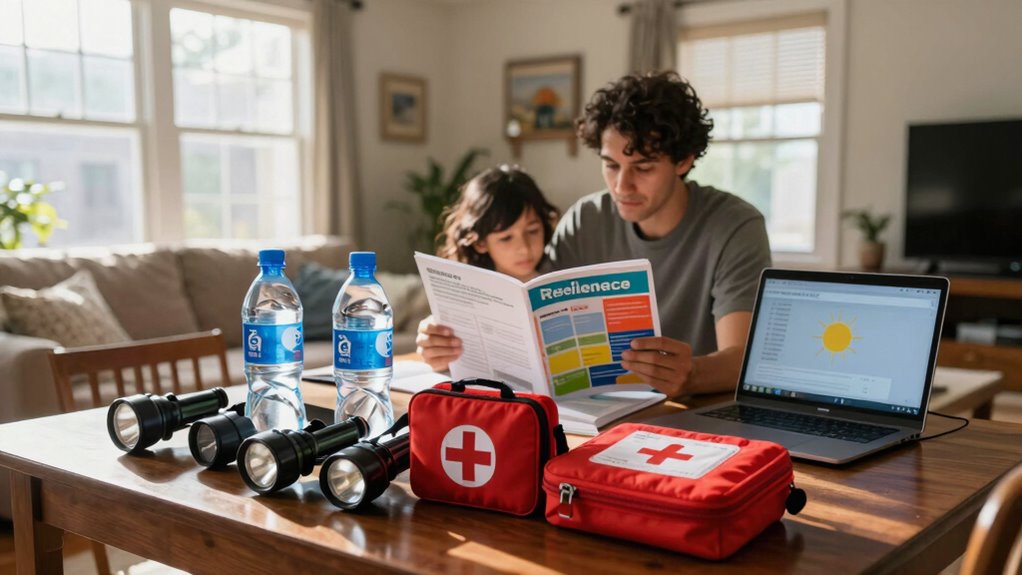
You need more practical resilience literacy to handle emergencies and unexpected setbacks confidently. It helps you develop mental toughness, manage stress, and stay calm under pressure. Knowing how to use tools and understanding local risks prepares your household for specific threats. Planning ahead and practicing emergency drills boost your confidence, so you’re ready when chaos strikes. Improving your resilience skills means you’ll not only survive tough times but also thrive—discover how to strengthen your household further as you explore this approach.
Key Takeaways
- Enhances household preparedness by enabling quick, effective responses to local hazards and emergencies.
- Builds mental toughness to stay calm and focused during stressful situations.
- Promotes proactive planning and vulnerability identification to prevent panic and chaos.
- Ensures continuous practice and education for sustained readiness and adaptability.
- Empowers households to rely on themselves, reducing dependence on external aid during crises.
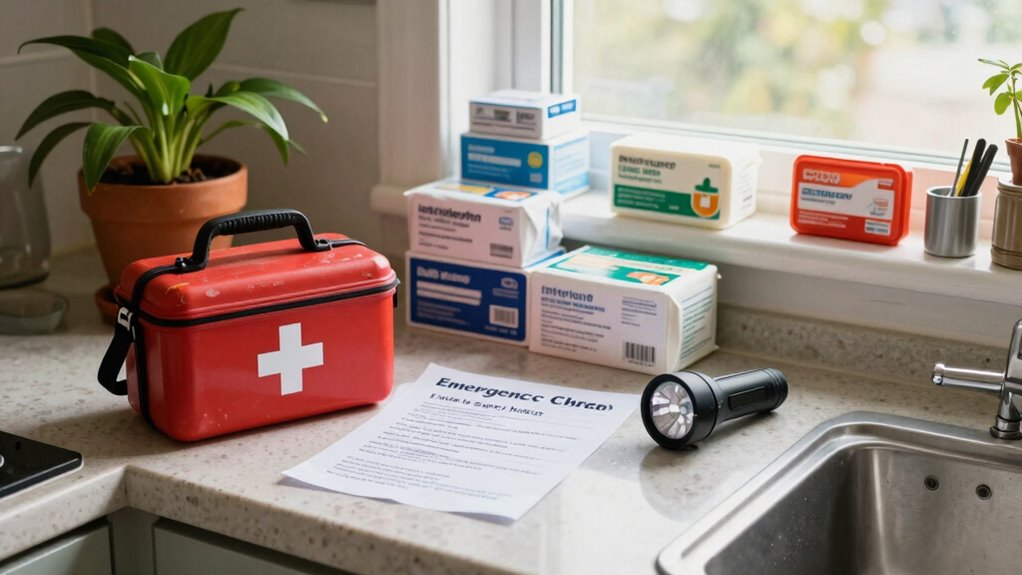
Resilience literacy involves more than just knowing the steps to take during a disaster. It’s about developing the mindset that enables you to approach problems with confidence and clarity. When you understand how to manage stress and stay composed, you’re better equipped to handle the chaos that often accompanies emergencies. This mental toughness doesn’t mean suppressing emotions; it means acknowledging them and choosing to act despite fear or uncertainty. By practicing resilience skills, you teach yourself to stay grounded, which in turn helps your household remain stable during tough times. Additionally, understanding the importance of practical gadgets and tools can enhance your ability to respond effectively in emergencies. Developing an awareness of local risks and hazards can also prepare your household for specific threats in your area. Recognizing the role of emergency communication methods further strengthens your household’s preparedness and coordination. Being aware of emergency response protocols allows you to act swiftly and appropriately when needed.
Furthermore, resilience literacy empowers you to anticipate potential challenges before they happen. Instead of reacting blindly, you learn to identify vulnerabilities and create realistic action plans. For example, you might organize your home to ensure quick access to emergency supplies or establish clear communication protocols. These proactive steps foster confidence and reduce panic when emergencies occur. They also help your household operate smoothly, even under duress, because everyone knows their role and trusts the plan. Understanding the significance of preparedness education can motivate your household to stay informed and regularly review safety procedures.
Additionally, building resilience literacy is a continuous process. It involves practicing drills, staying informed about risks, and cultivating a mindset geared toward problem-solving. The more you practice mental toughness, the easier it becomes to navigate unforeseen circumstances. This resilience isn’t just for natural disasters or power outages; it extends to everyday setbacks like health issues, financial emergencies, or sudden changes in routine. When your household is resilient, you’re not just surviving crises—you’re learning to thrive despite them.
Ultimately, resilience literacy gives you the tools to face adversity head-on. It makes your household more self-reliant and adaptable, reducing dependence on external help during critical moments. With a focus on mental toughness and practical emergency preparedness, you empower your family to move through challenges with confidence and resilience, ensuring that when the unexpected happens, you’re ready to handle it effectively.
emergency preparedness kit for households
As an affiliate, we earn on qualifying purchases.
As an affiliate, we earn on qualifying purchases.
Frequently Asked Questions
How Can Households Assess Their Current Resilience Levels Effectively?
You can assess your household’s resilience by starting with risk awareness—identify potential hazards like floods or power outages. Evaluate your emergency preparedness by checking your emergency kit, communication plans, and evacuation routes. Regularly review and practice these plans with your family. Consider conducting simple drills to test response times and identify gaps. This active approach helps you understand where your household stands, so you can improve your resilience effectively.
What Are Simple Steps to Improve Household Resilience Quickly?
To improve household resilience quickly, you should focus on emergency preparedness, resource management, and communication. Stock essential supplies, create an emergency plan, and practice it regularly. Manage resources wisely by conserving water and energy. Strengthen your communication channels with family members and neighbors. These simple steps boost your ability to respond effectively, adapt to challenges, and recover faster from disruptions, ensuring your household stays safe and resilient during crises.
How Does Resilience Literacy Impact Financial Stability During Crises?
Resilience literacy boosts your financial stability during crises by enhancing your financial planning and emergency preparedness skills. When you understand resilience concepts, you can better anticipate potential disruptions, manage resources effectively, and adapt quickly to changing circumstances. This knowledge helps you make smarter decisions, reduce financial stress, and maintain stability when emergencies strike. Ultimately, resilience literacy empowers you to navigate crises confidently and protect your household’s financial future.
Can Resilience Skills Be Taught to Children at Home?
You can absolutely teach resilience skills to children at home—it’s as essential as oxygen. By practicing effective parenting strategies, like encouraging problem-solving and emotional regulation, you nurture child resilience. These skills grow through daily conversations, modeling calm responses, and setting realistic expectations. When you actively teach resilience, you’re equipping your kids to face life’s storms with strength and confidence, turning challenges into opportunities for growth and resilience.
What Community Resources Support Household Resilience Development?
Community networks and local workshops are key resources that can boost your household’s resilience. By connecting with community groups, you gain access to support systems, shared knowledge, and practical advice. Local workshops offer hands-on training in emergency preparedness, financial planning, and stress management. Engaging with these resources helps you build skills, strengthen your support system, and improve your ability to adapt to challenges effectively.
Conclusion
So, next time you hear about a storm or a sudden crisis, remember it’s no coincidence that resilient households bounce back faster. It’s your practical resilience literacy that makes the difference—arming you with skills to adapt, recover, and thrive amid uncertainties. Maybe it’s fate, or maybe it’s just good planning. Either way, building resilience isn’t just smart; it’s your best shot at turning the unexpected into an opportunity for growth.