Green building certifications, like LEED, help you assess a building’s sustainability by setting standards for energy efficiency, water use, and eco-friendly materials. They promote renewable energy integration and sustainable design principles, reducing environmental impact and boosting market value. Certification processes evaluate a building’s performance from planning to operation, encouraging innovative solutions. If you keep exploring, you’ll discover how these standards support responsible development and environmental stewardship, helping you create more sustainable spaces.

Get garden gear delivered free with Prime
- Fast, free delivery on millions of items
- Prime Video, Amazon Music and more included
- Member-only deals all year
Key Takeaways
- Green building certifications evaluate a structure’s sustainability, environmental impact, and efficiency, promoting eco-friendly design and operation.
- LEED is a leading certification that assesses energy, water, materials, indoor quality, and innovation in building projects.
- Other certifications include BREEAM, WELL, and Green Globes, each with specific standards and evaluation criteria.
- Certification processes involve comprehensive assessments from design through building operation, awarding points for sustainable practices.
- Achieving certification enhances market value, reduces operational costs, and demonstrates organizational commitment to environmental stewardship.
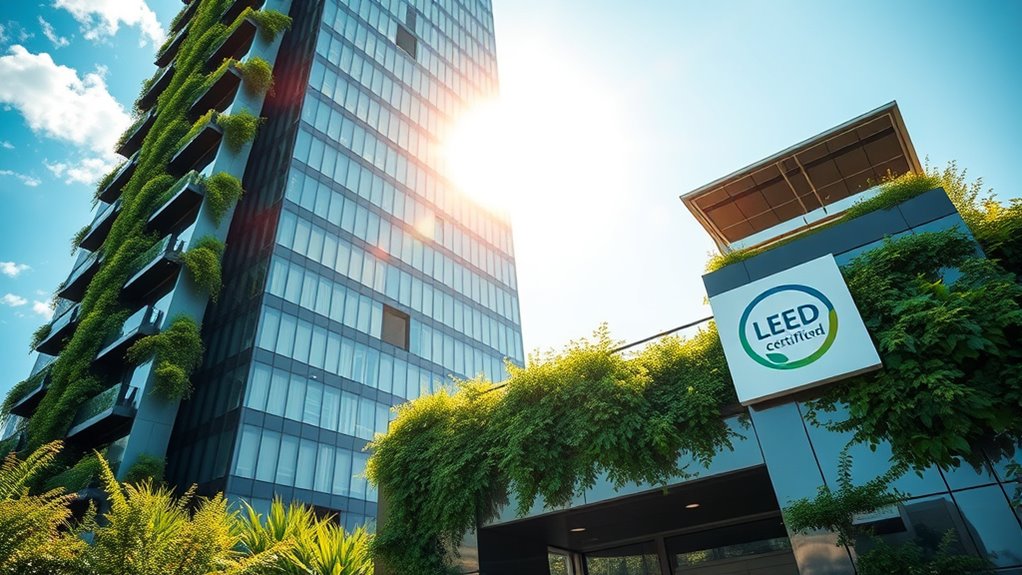
Have you ever wondered how buildings earn recognition for being environmentally friendly? It’s a great question, and the answer lies in green building certifications that assess a structure’s commitment to sustainability. These certifications, like LEED (Leadership in Energy and Environmental Design), provide a standard for measuring how well a building meets environmental goals. Achieving such certification isn’t just about bragging rights; it’s about making a tangible difference in reducing your carbon footprint and conserving resources. One of the core principles behind these standards is integrating renewable energy sources into building design. This means harnessing solar panels, wind turbines, or other clean energy options to power the building, decreasing reliance on fossil fuels and lowering greenhouse gas emissions. Incorporating renewable energy isn’t just an eco-friendly choice; it’s an investment that can lead to long-term savings on energy costs and increase the building’s overall efficiency.
Green building certifications like LEED promote renewable energy use and sustainable design for eco-friendly, cost-effective structures.
Sustainable design plays a pivotal role in earning green building certification. When you focus on sustainable design, you’re creating a space that minimizes environmental impact throughout its lifecycle. This includes selecting eco-friendly materials, optimizing natural light and ventilation, and implementing water-saving fixtures. These elements work together to reduce waste, lower energy consumption, and improve indoor air quality. Certification programs like LEED evaluate these aspects meticulously, awarding points for innovations in sustainable design. The process encourages building owners and designers to think creatively about how they can make their structures more environmentally responsible while still meeting functional needs. Additionally, understanding building material selection and its impact on sustainability can significantly influence a project’s certification prospects. Incorporating renewable energy sources can further enhance a building’s environmental performance and certification score. Moreover, familiarizing yourself with energy efficiency strategies helps to optimize the building’s overall sustainability and operational costs. Incorporating smart building technology can also streamline energy management and further boost certification levels. Staying informed about green chemistry principles can also inspire innovative solutions in material choices and building processes that support certification standards.
Getting certified involves a detailed assessment process that looks at energy efficiency, water management, material selection, and indoor environmental quality. The goal is to motivate architects, developers, and building owners to prioritize sustainability from the initial planning stages through construction and operation. When you aim for such credentials, you’re not only supporting environmental conservation but also enhancing your building’s market value and appeal. Many organizations and governments now prefer or even require green-certified buildings, recognizing their lower operating costs and positive social impact.
In essence, understanding green building certifications means recognizing the importance of integrating renewable energy and sustainable design principles into your project. These standards push you to innovate and adopt practices that benefit both the environment and your bottom line. Achieving certification demonstrates a commitment to responsible development and a forward-thinking approach that benefits everyone—residents, users, and the planet alike. It’s a way to turn your building into a model of environmental stewardship, proving that sustainability and functionality can go hand in hand seamlessly.
LEED certified building materials
As an affiliate, we earn on qualifying purchases.
As an affiliate, we earn on qualifying purchases.
Frequently Asked Questions
How Long Does It Take to Achieve LEED Certification?
Achieving LEED certification varies depending on your building’s size, complexity, and readiness. Typically, the building timeline for the certification process ranges from several months to over a year. You’ll need to plan for planning, documentation, and review phases. By staying organized and proactive, you can streamline the process and meet your goals faster. Keep in mind that early preparation and expert guidance can profoundly impact the total time needed.
What Are the Costs Associated With Green Building Certifications?
You’re likely wondering about the costs involved in green building certifications. You should conduct a thorough cost analysis that includes certification fees, which vary depending on the certification level and project size. Expect expenses for application, review, and potential upgrades to meet standards. Keep in mind that investing in certification can boost your building’s value and sustainability, making the costs worthwhile in the long run.
Can Existing Buildings Be Retrofitted for LEED Certification?
Did you know over 60% of buildings in the U.S. are over 30 years old? Yes, existing buildings can definitely be retrofitted for LEED certification. Building renovation focuses on improving energy efficiency, water conservation, and indoor air quality. The certification process involves evaluating these improvements, making the building more sustainable. Your retrofit project can boost property value, reduce costs, and contribute positively to the environment.
How Do Different Certifications Compare in Environmental Impact?
You compare certifications by looking at their focus on energy efficiency and material sustainability. LEED emphasizes reducing environmental impact through efficient resource use, while WELL centers on occupant health. BREEAM assesses overall sustainability, and Living Building Challenge pushes for net-zero energy and water. Each certification impacts environmental outcomes differently, so you should choose based on your building’s goals for reducing energy use, selecting sustainable materials, and promoting healthier spaces.
Are There Regional or National Variations in Certification Standards?
You’ll find regional standards influence certification variations markedly, as different countries and areas prioritize certain environmental goals. For example, some regions emphasize water conservation, while others focus on energy efficiency. These regional standards shape certification criteria, leading to variations across programs like LEED, BREEAM, or WELL. Understanding these differences helps you choose the right certification for your project’s location, ensuring it meets local environmental priorities and compliance requirements.
Conclusion
Green building certifications like LEED guide you toward sustainability, yet they’re just one piece of a larger puzzle. While these standards help you reduce environmental impact, true green building goes beyond checklists—embracing innovation and community well-being. You might achieve certification, but real sustainability requires ongoing commitment and creativity. Balancing strict criteria with flexible, forward-thinking approaches guarantees your project isn’t just certified, but genuinely contributes to a healthier planet and brighter future.
Halloween Picks
halloween
As an affiliate, we earn on qualifying purchases.