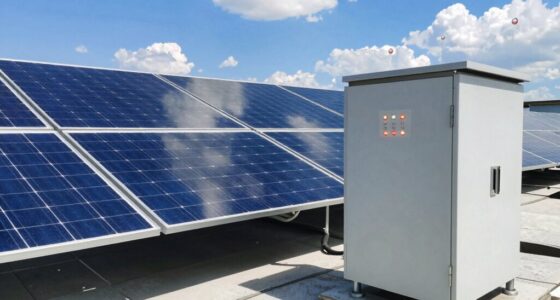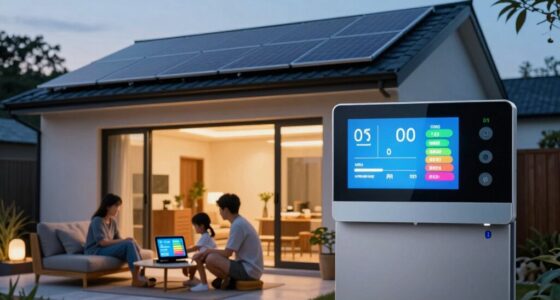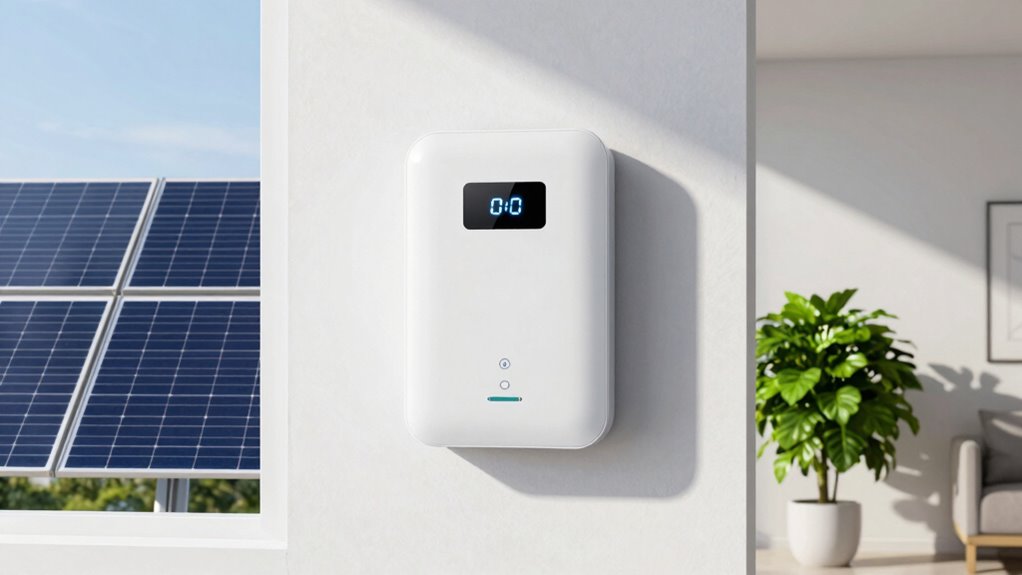
Hybrid inverters are essential in modern home energy systems, connecting your solar panels, batteries, and the grid to optimize energy use. They allow you to store excess solar power and tap into it when needed, even during outages. These inverters enable bidirectional energy flow, helping you save on costs and increase energy independence. If you’re curious about how they manage all this seamlessly, explore further to see how technology makes it possible.

Get garden gear delivered free — and shop member deals
- Fast, free delivery on millions of items
- Access to Prime Big Deal Days deals on October 6–7
- Prime Video, Amazon Music and more included
Key Takeaways
- Hybrid inverters integrate solar panels, batteries, and the grid for centralized energy management in homes.
- They enable bidirectional energy flow, allowing excess solar energy to be stored or fed back to the grid.
- Hybrid inverters support seamless switching between solar, battery, and grid power, enhancing reliability during outages.
- They optimize energy use in real-time, reducing costs and increasing energy independence for households.
- Advanced hybrid inverters facilitate smart grid interactions, contributing to sustainable and efficient home energy systems.
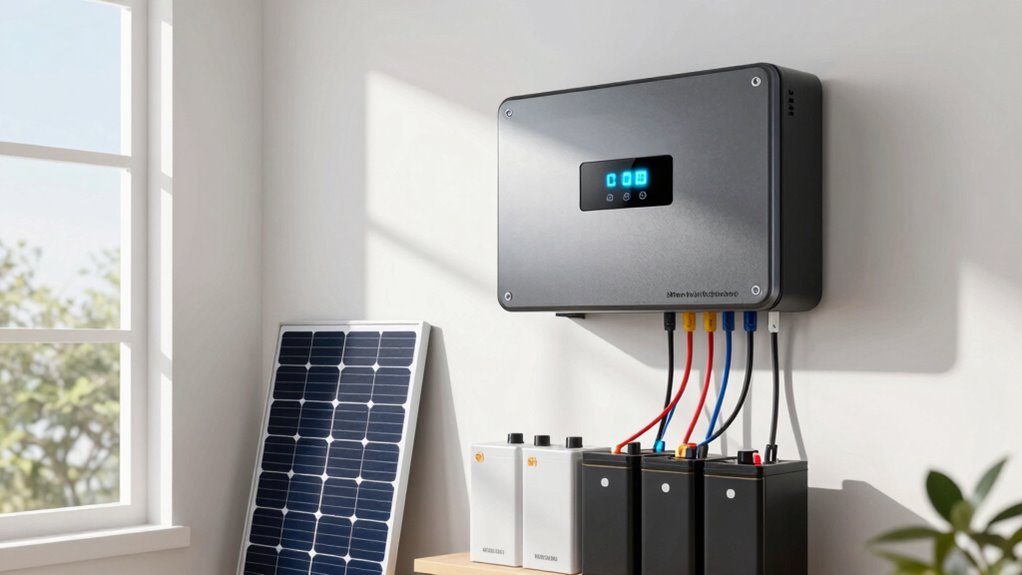
As more homeowners seek sustainable and reliable energy solutions, hybrid inverters have become a key component of modern home energy systems. These devices are the bridge that connects your solar panels, battery storage, and the grid, allowing you to maximize energy efficiency and independence. With a hybrid inverter, you can store excess solar energy in batteries for later use, reducing your reliance on the grid and lowering your energy bills. It also enables seamless grid integration, meaning your home can draw power from the grid when needed and feed excess energy back when your system produces more than you consume. This bidirectional flow of energy makes your home more resilient and flexible.
Hybrid inverters connect solar, batteries, and the grid for efficient, flexible, and resilient home energy management.
Battery storage plays an essential role in this setup. When your solar panels generate more electricity than you need during sunny days, the hybrid inverter directs that surplus into your batteries. Later, during cloudy days or nighttime, you can draw on this stored energy, ensuring you have power even when the sun isn’t shining. This not only improves your energy independence but also enhances your ability to manage energy costs. The hybrid inverter intelligently balances between drawing from your battery, your solar system, and the grid, optimizing your energy use in real time. With this capability, you’re less affected by fluctuating energy prices and grid outages, giving you peace of mind.
Grid integration is another key feature of hybrid inverters. They enable your home to interact dynamically with the utility grid, allowing you to feed excess solar energy back into the network when your batteries are full. This can sometimes even generate income through net metering programs, further reducing the cost of your energy. Conversely, during peak grid demand or outages, the inverter can switch to supply power solely from your batteries or solar panels, maintaining your household’s energy supply. This level of control makes your home not just more energy-efficient but also more resilient to external disruptions.
In essence, hybrid inverters serve as the central hub that orchestrates your home’s energy flow. They allow you to harness your solar power efficiently, store excess energy safely, and interact intelligently with the grid. As the technology advances, these inverters become smarter and more integrated, giving you greater control over your energy consumption and costs. A hybrid inverter not only enhances your energy independence but also contributes to a more sustainable future by optimizing renewable energy use. Incorporating advanced inverter technology can further improve efficiency and system management. Staying informed about the latest innovations in inverter technology ensures you maximize your system’s potential. Additionally, understanding the environmental benefits of renewable energy systems can motivate more homeowners to adopt sustainable solutions. Moreover, ongoing advancements in smart grid technology are making these systems even more adaptable and efficient, encouraging wider adoption of renewable energy solutions.
As an affiliate, we earn on qualifying purchases.
Frequently Asked Questions
Can Hybrid Inverters Work With Existing Solar Panel Setups?
Yes, hybrid inverters can work with your existing solar panel setup. They integrate seamlessly, allowing you to add battery storage for better energy management. With a hybrid inverter, you can store excess solar energy for later use, reducing reliance on the grid. This setup helps optimize your energy efficiency, giving you greater control over your power consumption and ensuring you make the most of your solar investment.
What Maintenance Is Required for Hybrid Inverters?
Hybrid inverters require minimal maintenance, but you should regularly check the battery backup system and guarantee cooling requirements are met. Keep the inverter clean and free of dust, and periodically inspect connections for corrosion or loose wires. Cooling fans or ventilation may need cleaning or replacement over time to prevent overheating. By doing these simple tasks, you’ll keep your inverter running smoothly—like a well-oiled machine—ensuring reliable energy storage and supply.
How Do Hybrid Inverters Handle Power Outages?
When a power outage occurs, your hybrid inverter automatically switches to battery storage, providing power to your home. It seamlessly disconnects from the grid to guarantee safety and maintains supply through stored energy. This process relies on effective grid integration, allowing the inverter to prioritize battery use during outages. You’ll experience uninterrupted power, thanks to the inverter’s smart management of batteries and its ability to switch smoothly between grid and stored energy.
Are Hybrid Inverters Compatible With Smart Home Systems?
Yes, hybrid inverters are compatible with smart home systems. They seamlessly integrate with your energy storage solutions and connect to the grid, allowing you to monitor and control energy use remotely. By linking your solar panels, batteries, and smart home devices, hybrid inverters optimize energy efficiency and guarantee your system responds intelligently to your energy demands while maintaining grid compatibility.
What Is the Typical Lifespan of a Hybrid Inverter?
A typical hybrid inverter lasts about 10 to 15 years, depending on factors like battery efficiency and inverter sizing. Proper sizing guarantees your system runs effectively, reducing strain on the inverter and prolonging its lifespan. Regular maintenance and choosing a high-quality unit can also extend its durability. Keep an eye on performance and replace the inverter when signs of wear or decreased efficiency appear to maintain peak energy management.
Conclusion
Embracing hybrid inverters gently guides your home toward a more balanced and resilient energy future. While they seamlessly blend solar power and battery storage, their true strength lies in quietly empowering you to adapt and thrive amid changing energy landscapes. As you consider integrating them into your system, remember that sometimes the most subtle shifts lead to the most profound stability—offering a softer path to a brighter, more sustainable tomorrow.
Fall yard work Picks
leaf blowers
As an affiliate, we earn on qualifying purchases.