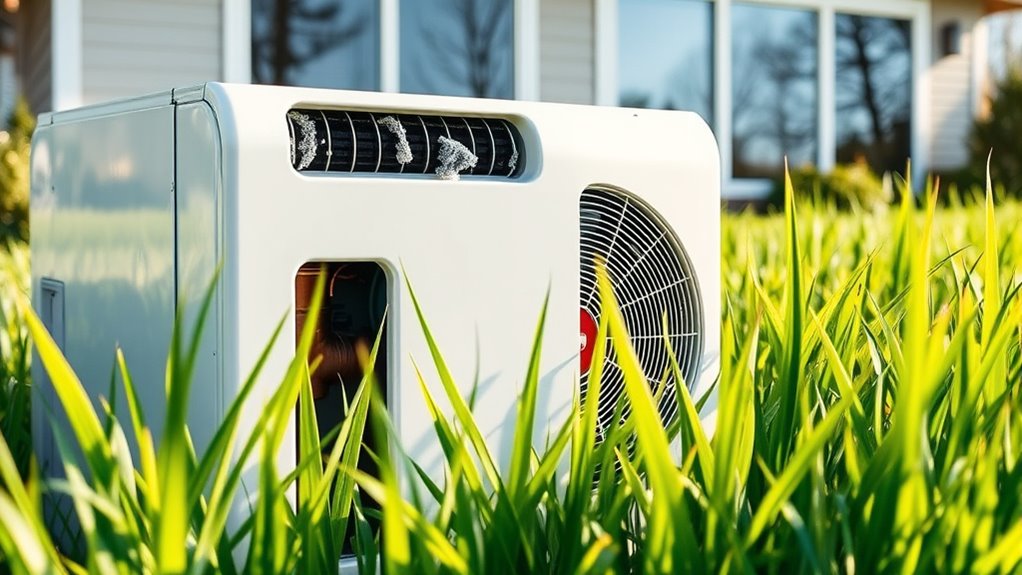

Heat pumps save energy by transferring heat rather than generating it, which makes them more efficient than traditional systems. They use less electricity because they leverage the earth’s stable temperature for consistent heating and cooling. This reduces your utility bills and lowers overall energy consumption. Geothermal heat pumps, in particular, operate well even in colder weather. To discover more about how these systems maximize energy savings and long-term benefits, keep exploring the details below.
Key Takeaways
- Heat pumps transfer heat instead of generating it, reducing overall energy consumption.
- They leverage the earth’s stable temperature for efficient heating and cooling year-round.
- Geothermal heat pumps operate efficiently in colder climates, saving energy compared to traditional systems.
- Lower maintenance requirements and durable components decrease ongoing energy costs.
- Incentives and rebates can offset initial costs, enhancing long-term energy savings.

Heat pumps are an energy-efficient way to heat and cool your home by transferring heat rather than generating it. This method allows you to save on energy bills because it uses less electricity compared to traditional heating systems. When considering a heat pump, one of the key factors is geothermal efficiency, which plays a vital role in how well the system performs over time. Geothermal heat pumps leverage the stable temperature of the earth to provide consistent heating and cooling, making them highly efficient, especially in colder climates. Because the ground maintains a relatively constant temperature throughout the year, geothermal systems can operate with less energy, reducing your overall energy consumption and lowering your utility bills.
However, it’s important to understand that geothermal efficiency isn’t the only consideration; installation costs are also a critical factor in your decision-making process. Geothermal heat pump installation tends to be more expensive upfront compared to air-source systems due to the need for underground loops or boreholes. These installation costs can include excavation, drilling, and the purchase of specialized equipment, which can initially seem intimidating. But it’s worth noting that these costs often balance out over time because of the system’s durability and lower operating expenses. Once installed, geothermal heat pumps typically require less maintenance and have longer lifespans—sometimes over 25 years—making them a cost-effective solution in the long run.
Many homeowners find that the higher initial investment pays off through energy savings and increased home comfort. Because geothermal systems are less affected by outdoor temperature fluctuations, they deliver consistent heating and cooling, which improves comfort levels. Plus, their efficiency means you use less electricity, translating to lower energy bills month after month. When evaluating installation costs, it’s wise to consider potential incentives or rebates available in your area, which can greatly offset the initial expense. These financial incentives are designed to encourage eco-friendly home improvements and can make geothermal systems more accessible. Additionally, understanding the Kia Tuning options available for improving system components can further enhance efficiency and longevity.

Fundamentals of Geothermal Heat Pump Systems: Design and Application
As an affiliate, we earn on qualifying purchases.
As an affiliate, we earn on qualifying purchases.
Frequently Asked Questions
Are Heat Pumps Effective in Extremely Cold Climates?
Yes, heat pumps can be effective in extremely cold climates if you choose models designed for cold climate efficiency. These advanced systems use specialized refrigerants and technology to improve winter performance, maintaining reliable heating even when temperatures drop markedly. While their efficiency may decrease slightly in extreme cold, modern cold climate heat pumps still provide a cost-effective and eco-friendly heating solution, ensuring comfort during harsh winters.
What Is the Typical Lifespan of a Heat Pump?
A heat pump typically lasts around 10 to 15 years, depending on usage and maintenance. To maximize heat pump longevity, you should follow regular maintenance tips like cleaning or replacing filters, scheduling annual professional checkups, and keeping the outdoor unit clear of debris. Proper care guarantees your system runs efficiently, reduces repair costs, and extends its lifespan, so you get the most out of your investment.
How Much Maintenance Do Heat Pumps Require Annually?
You should perform maintenance on your heat pump about once a year. Regular annual servicing keeps it running efficiently and helps prevent breakdowns. During maintenance, a technician will check filters, clean coils, and inspect refrigerant levels. This maintenance frequency guarantees your heat pump operates smoothly, saves energy, and extends its lifespan. Don’t skip your annual servicing, as it’s key to maintaining peak performance and avoiding costly repairs down the line.
Can Heat Pumps Be Used for Both Heating and Cooling Simultaneously?
You can absolutely enjoy the magic of dual functionality with heat pumps, allowing for simultaneous heating and cooling. This means you can keep your home perfectly comfortable year-round without switching systems. Many modern heat pumps are designed for this, giving you the flexibility to adjust your indoor climate as needed. It’s like having two systems in one, making your home more adaptable and conveniently energy-efficient.
Are There Government Incentives for Installing Heat Pumps?
Yes, there are government incentives for installing heat pumps. You might qualify for rebates and tax incentives that can considerably reduce your upfront costs. These programs aim to promote energy efficiency and lower carbon emissions. Check with your local or national government to see what specific rebates or incentives are available in your area. Taking advantage of these programs can make switching to a heat pump more affordable and environmentally friendly.
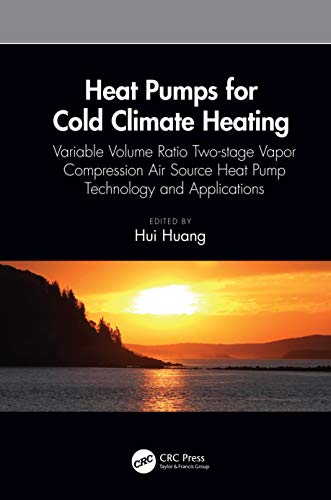
Heat Pumps for Cold Climate Heating (Heat Transfer)
As an affiliate, we earn on qualifying purchases.
As an affiliate, we earn on qualifying purchases.
Conclusion
Think of a heat pump as a wise old oak tree, drawing warmth from the ground or air—even in the chill—then sharing it generously with your home. Just like a tree sustains life through its roots and leaves, your heat pump sustains comfort while saving energy. Embrace this eco-friendly ally, and you’ll not only warm your home but also nurture the planet. Let your home grow stronger, greener, and more resilient, one efficient step at a time.

VARMINPOOL Pool Heat Pump 16000 BTU, 110V Electric Pool Heater for Above Ground Pools up to 5400 Gallons, Energy Efficient Heat Pump Pool Heater with WiFi Control, Titanium Heat Exchanger- V5
【16000 BTU Pool Heat Pump for Above Ground Pools up to 5,400 Gallons】Designed for 10–14 ft above ground…
As an affiliate, we earn on qualifying purchases.
As an affiliate, we earn on qualifying purchases.

VIVOHOME 110V 1/3 HP 4CFM Single Stage Rotary Vane Air Vacuum Pump and R134a AC Manifold Gauge Set Kit with Leak Detector Carry Bag for HVAC Air Conditioning Refrigeration Recharging ETL Listed
HIGH-PERFORMANCE 4 CFM VACUUM PUMP: Single-stage rotary vane pump delivers fast, deep evacuation for automotive and home HVAC…
As an affiliate, we earn on qualifying purchases.
As an affiliate, we earn on qualifying purchases.