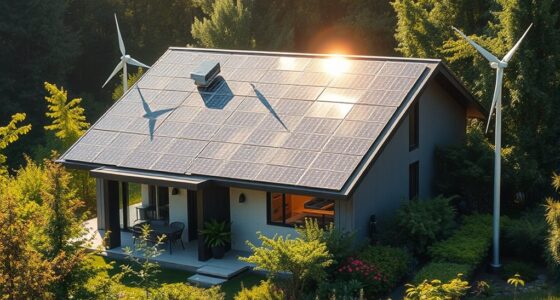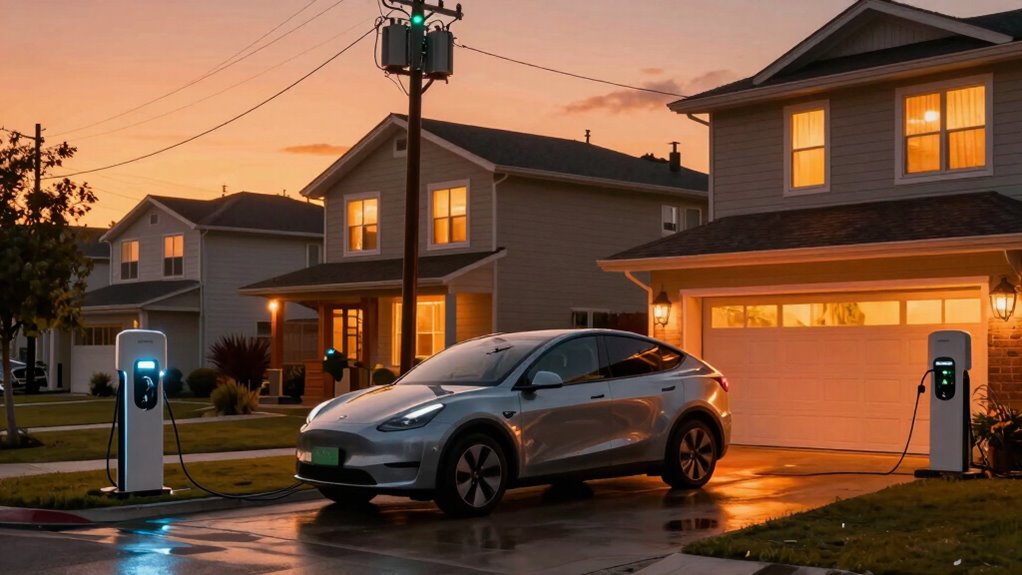

Home electrification increases your peak demand as more electric appliances and vehicles are used, especially during specific times like after work. Charging electric vehicles and running high-power devices shift energy use to peak hours, which can strain the grid if not managed properly. This raises the need for smart grid solutions, demand management, and infrastructure upgrades. If you want to understand how these changes can impact your energy use and what strategies exist, keep exploring further.

Get garden gear delivered free with Prime
- Fast, free delivery on millions of items
- Prime Video, Amazon Music and more included
- Member-only deals all year
Key Takeaways
- Increased use of electric appliances and vehicles raises overall power consumption, especially during peak hours.
- Home electrification shifts energy use to higher demand periods, intensifying peak load on the grid.
- Concentrated EV charging after work hours significantly contributes to peak demand spikes.
- Without proper management, higher demand risks infrastructure overloads and grid instability.
- Smart grid technologies enable demand response and scheduling to mitigate peak demand impacts.
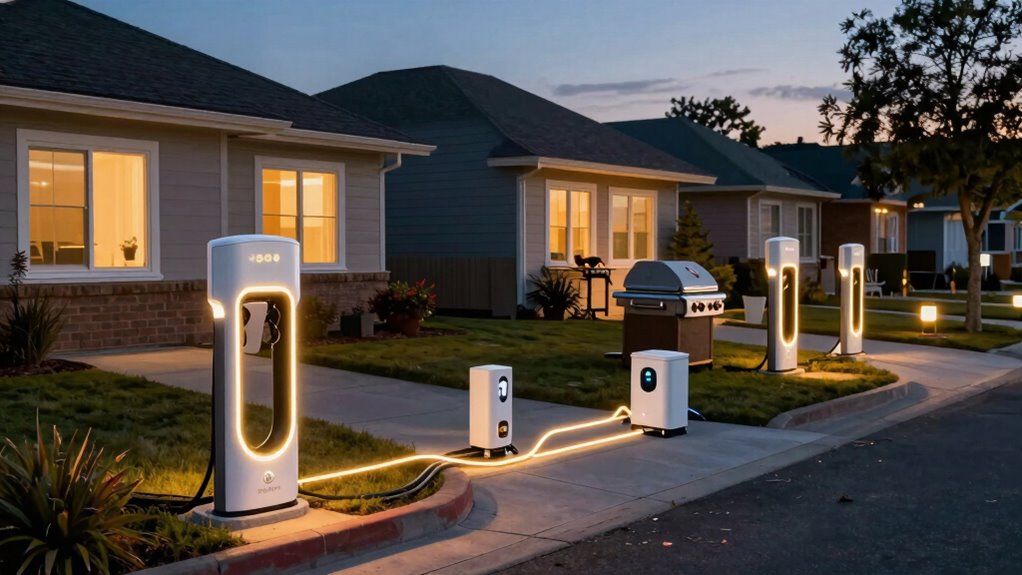
Have you ever wondered how switching to electric appliances and vehicles impacts the electricity grid? As you adopt more electric devices and vehicles, the demand on the grid increases, especially during peak hours. This changeover to home electrification means your home is drawing more power, which can lead to higher peak demand periods. When many households do the same, the system faces a surge that could strain infrastructure if not managed properly. That’s where smart grid integration comes into play, helping balance the load by communicating with your appliances and vehicles to optimize energy use.
Electric vehicle adoption is a significant factor in this shift. While EVs are convenient and eco-friendly, they also add substantial load to the grid, particularly if many owners charge their vehicles during the same time frames—say, after work hours. This concentrated charging can push peak demand even higher, risking power outages or the need for costly infrastructure upgrades. However, smart grid technology can mitigate these issues by coordinating charging times, encouraging off-peak charging, and integrating renewable energy sources. This not only smooths out demand spikes but also guarantees that the grid remains reliable despite increased electric vehicle adoption.
Smart grid tech can coordinate EV charging, reducing demand spikes and ensuring reliable, sustainable power.
Your home’s move to electric appliances—like heat pumps, electric water heaters, and stoves—further amplifies peak demand. These appliances often operate during times when electricity is most expensive or when renewable energy production is low. Without proper management, they can contribute to grid stress during already busy periods. Smart grid integration helps by enabling real-time communication between your home appliances and the utility, allowing for smarter scheduling. For example, your water heater might delay heating until late at night when demand is lower, therefore reducing strain during peak hours. Additionally, energy management systems can help optimize overall consumption and reduce unnecessary energy use. Implementing demand response programs can further enhance this by incentivizing users to shift their energy use away from peak times. Recognizing the importance of grid stability is essential for maintaining reliable power as electrification increases.
The key to managing this increased demand lies in proactive strategies and advanced grid technologies. As you upgrade your home, you might also consider installing energy storage systems or participating in demand response programs. These tools help shift consumption away from peak times, making sure your home remains powered without overwhelming the grid. Moreover, advanced grid infrastructure is crucial for supporting a growing number of electric appliances and vehicles. Smart grid integration makes all this possible by providing the necessary infrastructure to coordinate and optimize energy flow, benefiting both consumers and utilities.
Ultimately, your choices around home electrification directly influence peak demand and the overall stability of the electricity system. Embracing smart grid technology and responsible energy management allows you to enjoy the benefits of electric appliances and vehicles while supporting a resilient, sustainable energy future.
smart home energy management system
As an affiliate, we earn on qualifying purchases.
As an affiliate, we earn on qualifying purchases.
Frequently Asked Questions
How Does Home Electrification Impact Utility Infrastructure Needs?
Home electrification increases your utility’s infrastructure needs by boosting peak demand. To manage this, utilities might encourage residential energy storage systems, which help balance supply and demand. Demand response programs also play a crucial role, prompting you to reduce or shift energy use during peak times. Together, these strategies help utilities handle higher loads, ensuring reliable service and avoiding grid overloads as more homes switch to electric systems.
What Technologies Help Manage Increased Peak Demand?
Think of smart technologies as the conductors of your home’s energy symphony. Demand response programs act like a gentle nudge, shifting your energy use to off-peak times. Renewable integration, paired with smart grid systems, allows your home to dance harmoniously with the grid, reducing strain during peak demand. These tools work together to manage increased loads, ensuring your home stays powered without overwhelming the system.
Are There Financial Incentives for Reducing Peak Load?
Yes, you can benefit from financial incentives for reducing peak load. Programs like demand response offer time-based incentives, encouraging you to shift or reduce energy use during peak periods. By participating, you save money and help balance the grid. These incentives motivate you to use energy more efficiently, especially during high-demand times, ultimately lowering your costs and supporting a more sustainable, reliable electricity system.
How Do Electric Vehicle Chargers Influence Peak Demand?
Electric vehicle chargers substantially influence peak demand through vehicle integration and charging efficiency. When you connect your EV, it can increase load during peak hours if charging isn’t managed properly. However, smart charging systems optimize charging times, reducing strain on the grid during peak periods. By integrating your vehicle with flexible charging options, you help balance demand, improve charging efficiency, and prevent unnecessary stress on electrical infrastructure.
What Role Do Smart Grids Play in Peak Demand Management?
Imagine your home as a conductor in a grand symphony; smart grids are the maestros that keep the harmony. They use demand response to adjust energy flow, preventing overloads and maintaining grid stability. By intelligently managing when appliances and chargers operate, smart grids smooth out peak demand, ensuring reliable power for everyone. You become part of a balanced system, where technology orchestrates a seamless, resilient energy future.
Conclusion
As you embrace home electrification, you’re opening a new chapter where your energy needs become a river of change, shaping the landscape of peak demand. It’s like lighting a spark that ignites a storm of transformation, urging the grid to adapt and evolve. By understanding this dance of electricity, you hold the power to steer this tide, making your home’s energy flow a essential part of a brighter, more resilient future—one current at a time.
Fall yard work Picks
leaf blowers
As an affiliate, we earn on qualifying purchases.