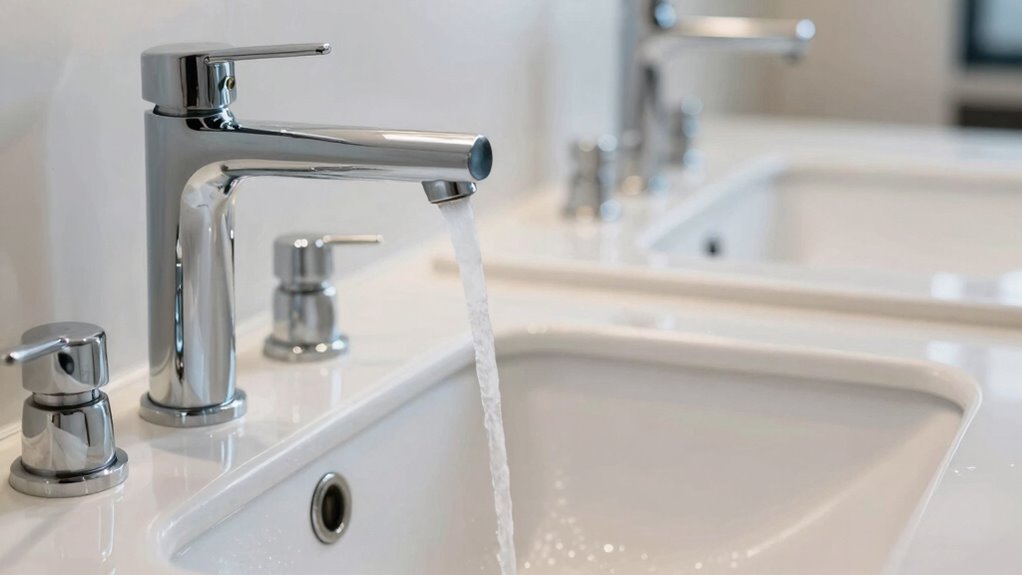

A household water system feels reliable when it consistently provides clean, safe water through advanced filtration and regular maintenance. Preventing leaks with well-designed components and early detection keeps your system running smoothly. Monitoring water quality and pressure ensures you catch issues early, while ongoing testing and sensor alerts boost trust. Keeping up with these practices extends your system’s lifespan and dependability. To learn more about creating a truly trustworthy water system, keep exploring all the key aspects involved.

Get garden gear delivered free with Prime
- Fast, free delivery on millions of items
- Prime Video, Amazon Music and more included
- Member-only deals all year
Key Takeaways
- Effective filtration techniques ensure water quality and safety, building user trust.
- Regular maintenance and leak prevention maintain system integrity and prevent damage.
- Continuous monitoring and alerts detect issues early, ensuring consistent water flow and pressure.
- Adherence to water quality standards and regular testing confirm ongoing safety.
- Proper system design and proactive upkeep extend lifespan and enhance overall reliability.
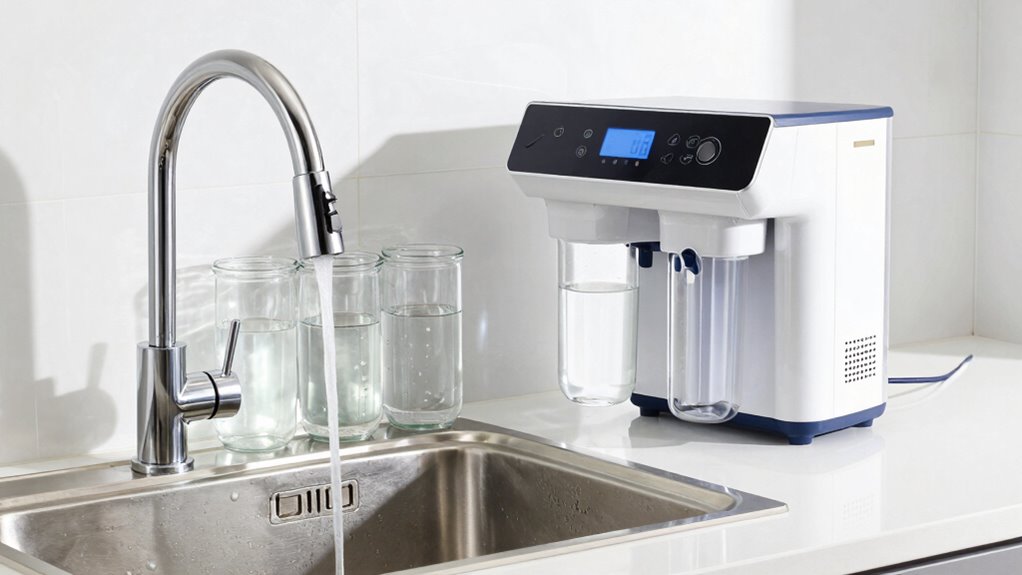
Have you ever wondered how clean, safe water reaches your home every day? Behind the scenes, your household water system plays an essential role in ensuring the water you use is both pure and reliable. A key factor in this dependability is effective water filtration. Modern systems incorporate advanced filtration techniques that remove impurities, bacteria, and harmful chemicals, giving you peace of mind with every sip. When your water is filtered properly, it not only tastes better but also protects your family from potential health risks. The quality of filtration directly influences how trustworthy your water supply feels, making it a fundamental part of a reliable household water system.
Beyond filtration, leak prevention is another critical element that fosters confidence in your water system. Small leaks might seem insignificant, but over time, they can cause major issues like water damage, mold growth, and increased utility bills. A reliable system includes well-designed components and regular maintenance to prevent leaks from developing in pipes, fittings, or connections. When leaks are caught early or prevented altogether, you avoid disruptions and costly repairs, enhancing your system’s overall trustworthiness. Leak prevention also ensures that your water pressure remains consistent, so you never have to deal with fluctuating flow that can compromise your daily routines. Additionally, understanding water quality standards and how they are maintained can further increase your confidence in your household water system. When you’re informed and confident about the operation of your household water system, it adds to the overall sense of reliability. Proper filtration techniques are essential for maintaining water quality and ensuring your system remains dependable over time. Regularly checking water sensors can alert you to potential issues before they become serious, further supporting system reliability. Staying updated on system maintenance practices can help extend the lifespan of your water infrastructure and prevent unexpected failures. Additionally, being aware of water testing methods can help you verify the ongoing safety and quality of your water supply.
household water filtration system
As an affiliate, we earn on qualifying purchases.
As an affiliate, we earn on qualifying purchases.
Frequently Asked Questions
How Often Should I Schedule Maintenance for My Water System?
You should schedule maintenance for your water system at least once a year to guarantee ideal water quality and system longevity. Regular inspections help identify issues early, like sediment buildup or leaks, which can affect water quality. If you notice changes in water taste or pressure, consider more frequent checkups. Proper maintenance keeps your system running efficiently, prolongs its lifespan, and ensures safe, clean water for your household.
What Signs Indicate My Water System Needs Repairs?
If your water quality suddenly drops, or you notice strange tastes, odors, or discoloration, your water system likely needs repairs. Reduced water pressure or inconsistent flow are also signs, indicating potential issues. Regular maintenance helps extend system longevity, but these signs mean you should schedule a repair promptly. Addressing problems early guarantees your water remains clean and reliable, preventing further damage and costly replacements down the line.
Are There Eco-Friendly Options for Household Water Systems?
Think of your household water system as a garden that needs eco-friendly care. You can choose eco-friendly filtration options that reduce chemical use and waste, keeping your water pure naturally. Opting for sustainable plumbing practices, like low-flow fixtures and recycled materials, helps protect the environment. These choices make your water system more sustainable, eco-conscious, and efficient, ensuring clean water while supporting a healthier planet.
How Can I Improve Water Pressure in My System?
To improve water pressure in your system, check for any clogs or leaks that may be restricting water flow. Install a pressure regulator if your pressure is too low, ensuring consistent flow. Consider upgrading your pipes if they’re old or narrow, which can hinder water flow. Regular maintenance, like cleaning filters and aerators, also helps maintain ideal pressure, making your household water system more reliable and efficient.
What Are the Common Causes of Water System Failures?
Common causes of water system failures include poor water quality, which can lead to corrosion or clogging, and issues with system durability like worn-out pipes or faulty valves. You might also experience failures due to mineral buildup or leaks that compromise pressure. Regular maintenance and monitoring can help prevent these issues, ensuring your household water system remains reliable and functions efficiently over time.
Conclusion
Think of your household water system as a well-tended garden. When each part—pipes, filters, and valves—is cared for and inspected regularly, the flow remains steady and dependable. Neglect, like neglecting your garden, leads to weeds and droughts—unexpected problems and disruptions. By maintaining your system with the same attention you give a flourishing garden, you guarantee it continues to serve you reliably, watering your home’s needs without surprise or interruption.
Halloween Picks
halloween
As an affiliate, we earn on qualifying purchases.