By supporting the right to repair, you help reduce electronic waste and prevent environmental harm from discarded devices. Repairability extends product lifespans, lowering the need for resource-intensive manufacturing and reducing harmful toxins leaching into soil and water. It also encourages eco-friendly designs and recycling practices, ultimately conserving valuable resources and decreasing greenhouse gas emissions. Continuing to explore this topic will reveal how embracing repair can drive meaningful changes for a healthier planet.
Key Takeaways
- Right to Repair reduces e-waste by extending device lifespans and encouraging reuse and refurbishment.
- It promotes sustainable manufacturing practices with eco-friendly materials and modular designs.
- Repair-friendly policies help decrease resource extraction and energy use associated with new device production.
- Supporting repairability minimizes environmental toxins leaching into soil and water from discarded electronics.
- Encouraging repair aligns with circular economy principles, fostering environmentally responsible electronics use and disposal.

The right to repair is more than just giving consumers the ability to fix their devices—it also plays a crucial role in protecting the environment. When you have the freedom to repair your electronics, you’re helping to reduce e-waste, which is one of the fastest-growing waste streams worldwide. Instead of discarding broken or outdated devices, you can fix them, extending their lifespan and decreasing the amount of electronic waste that ends up in landfills. This not only conserves valuable resources but also prevents harmful toxins from leaching into soil and water, safeguarding ecosystems and human health. Your ability to repair supports a more sustainable approach to electronics consumption, aligning with broader efforts for environmentally responsible practices.
Supporting the right to repair encourages manufacturers to adopt sustainable manufacturing processes. When consumers demand repairability, companies are prompted to design products with longer lifespans, easier repairs, and upgradeability in mind. This shift reduces the need for frequent replacements, which often involve resource-intensive manufacturing and contribute to environmental degradation. Sustainable manufacturing becomes a central focus, as brands aim to minimize their carbon footprint and resource consumption. By choosing to repair rather than replace, you’re actively promoting products designed with durability and sustainability at their core. This also encourages manufacturers to use eco-friendly materials and to create modular devices that can be easily upgraded or repaired without specialized tools or extensive technical knowledge.
Demand repairability to promote sustainable, durable, and eco-friendly electronics that minimize environmental impact.
Your advocacy for the right to repair also influences industry standards and policies, leading to more transparent and accessible repair information and parts. When repair becomes a mainstream priority, it promotes a circular economy where products are reused, refurbished, and recycled more efficiently. This approach reduces the demand for new raw materials, decreases energy consumption during manufacturing, and cuts down on greenhouse gas emissions associated with producing new devices. By supporting repair initiatives, you help shift industry practices toward sustainability, making it economically viable for companies to develop environmentally friendly products. Additionally, promoting high-quality components and repair-friendly designs can significantly improve the overall color accuracy and longevity of electronic devices, further supporting environmental goals.
In essence, your support for the right to repair isn’t just about fixing devices; it’s a powerful step toward reducing environmental harm. It fosters a culture of sustainability and resourcefulness, ensuring that electronic products serve their full lifespan with minimal ecological impact. Every repair you make or advocate for contributes to a more sustainable future, where electronics are designed, used, and disposed of responsibly, helping to protect the planet for generations to come.
repairable smartphones with modular design
As an affiliate, we earn on qualifying purchases.
As an affiliate, we earn on qualifying purchases.
Frequently Asked Questions
How Does Repairability Impact Electronic Waste Reduction?
Repairability extends your product’s lifespan, meaning you can fix items instead of replacing them, which reduces electronic waste. When you repair electronics, you conserve resources by avoiding the need for new materials and manufacturing. This practice supports resource conservation, decreasing the environmental impact of discarded gadgets. Ultimately, repairability empowers you to make sustainable choices, decrease waste, and help protect the planet through longer-lasting devices.
What Are the Environmental Benefits of Local Repair Services?
You benefit from local repair services because they promote the use of sustainable materials and improve energy efficiency. When you choose local repairs, you reduce transportation emissions and guarantee repairs use eco-friendly parts. This helps extend your devices’ lifespan, decreasing electronic waste. Plus, supporting local repair shops encourages responsible waste management and sustainable practices, making your community greener and reducing your environmental footprint.
How Do Right to Repair Laws Influence Corporate Environmental Policies?
Have you ever imagined how companies might change their practices? Right to repair laws push them to adopt more sustainable policies by encouraging transparency and competition. You see, they’re forced to share repair info, balancing intellectual property concerns with supply chain sustainability. This shift promotes eco-friendly innovation, reduces waste, and pushes corporations toward greener practices, ultimately aligning their environmental goals with consumer rights and fostering a more responsible, sustainable economy.
Can Repair-Friendly Products Decrease Pollution From Manufacturing?
Yes, repair-friendly products can decrease pollution from manufacturing because they encourage the use of sustainable materials and eco-friendly packaging. When products are designed for easy repair, fewer new items need to be produced, reducing resource extraction and waste. You’ll help lower emissions and pollution by choosing or advocating for products that prioritize durability, modular design, and environmentally conscious packaging, ultimately making manufacturing more sustainable and less harmful to the environment.
What Role Do Consumers Play in Promoting Eco-Friendly Repairs?
You can promote eco-friendly repairs by increasing your consumer awareness and supporting repair incentives. Educate yourself about repair options, choose products designed for longevity, and advocate for policies that encourage repairability. By making conscious choices and demanding better repair services, you help create a market that values sustainability. Your actions set a powerful example, inspiring others to prioritize eco-friendly repairs and drive industry change toward greener, more responsible manufacturing practices.
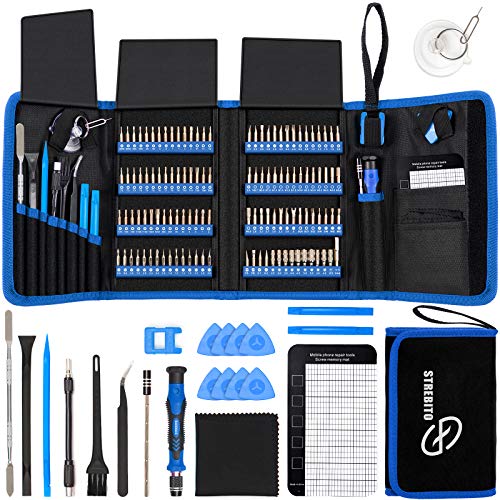
STREBITO Electronics Precision Screwdriver Sets 142-Piece with 120 Bits Magnetic Repair Tool Kit for iPhone, MacBook, Computer, Laptop, PC, Tablet, PS4, Xbox, Nintendo, Game Console
【Wide Application】This precision screwdriver set has 120 bits, complete with every driver bit you’ll need to tackle any…
As an affiliate, we earn on qualifying purchases.
As an affiliate, we earn on qualifying purchases.
Conclusion
By fighting for the right to repair, you’re planting seeds of change that can blossom into a healthier planet. Every repaired device is like mending a torn fabric in our Earth’s tapestry, restoring its strength and beauty. When you choose to repair rather than replace, you help reduce e-waste and conserve resources, making a powerful ripple of hope. Together, we can turn the tide and protect our environment for future generations—your actions truly matter.

Kaisi Professional Electronics Opening Pry Tool Repair Kit with Metal Spudger Non-Abrasive Nylon Spudgers and Anti-Static Tweezers for Cellphone iPhone Laptops Tablets and More, 20 Piece
Kaisi 20 pcs opening pry tools kit for smart phone,laptop,computer tablet,electronics, apple watch, iPad, iPod, Macbook, computer, LCD…
As an affiliate, we earn on qualifying purchases.
As an affiliate, we earn on qualifying purchases.

32 in 1 Small Precision Screwdriver Set, Zoikuloi Magnetic Mini Screwdriver Set, Professional Tiny Repair Tool Kit for Glasses, Watches, Laptop, Electronics, Toys, Jewelry, Computers
Family must-have: Every family has watches, mobile phones, glasses, toys, computers, jewelry, electronic devices, etc. Similarly, every home…
As an affiliate, we earn on qualifying purchases.
As an affiliate, we earn on qualifying purchases.