
Greywater systems let you reuse wastewater from showers, baths, and laundry for outdoor watering or flushing toilets, but you need to be cautious about what you use. Stick to clean greywater sources and avoid water contaminated with hazardous chemicals like bleach, strong detergents, or food waste. Proper filtration and regular maintenance are key to safety and system efficiency. To make sure you’re following the rules and maximizing benefits, keep exploring how to manage greywater responsibly.

Get garden gear delivered free with Prime
- Fast, free delivery on millions of items
- Prime Video, Amazon Music and more included
- Member-only deals all year
Key Takeaways
- Reuse greywater from showers, baths, and laundry, avoiding water contaminated with chemicals, food waste, or grease.
- Ensure greywater is free from hazardous substances like bleach or strong detergents to prevent health and system issues.
- Comply with local plumbing laws and obtain necessary permits before installing greywater systems.
- Install filters and diversion systems to prevent clogs and direct greywater safely to garden or irrigation areas.
- Regularly maintain filters and inspect pipes to ensure system safety, efficiency, and longevity.
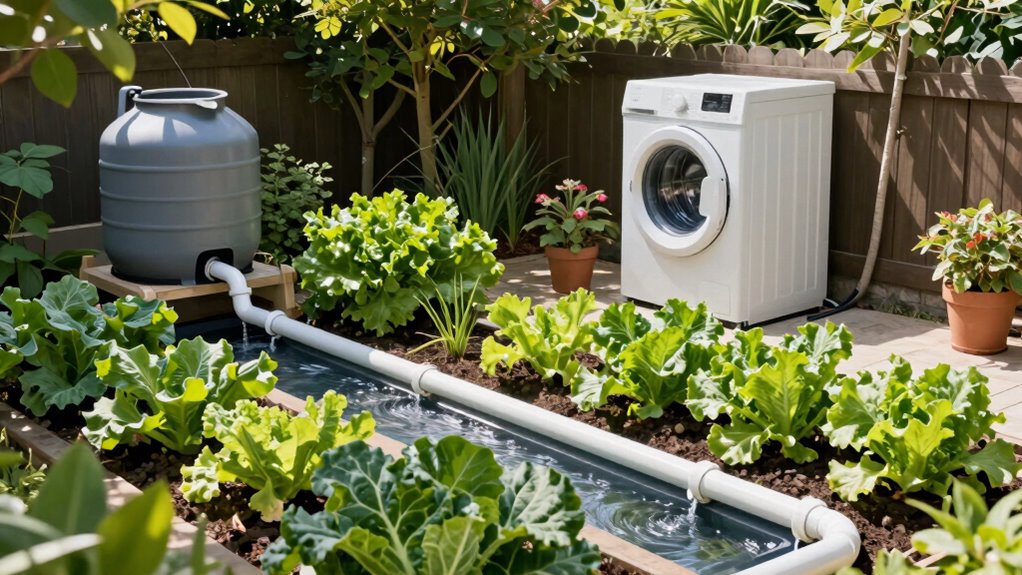
Greywater systems offer a practical way to reuse water from sinks, showers, and laundry, reducing your household’s overall water consumption. When considering a greywater system, understanding greywater treatment is vital to ensure the water is safe for reuse and complies with local plumbing regulations. Greywater treatment involves filtering and disinfecting wastewater so it can be safely used for irrigation or other non-potable purposes. This process minimizes health risks and prevents plumbing issues, making it a pivotal step before redistributing greywater within your property.
Greywater treatment ensures safe reuse and compliance with local plumbing regulations.
Plumbing regulations vary greatly depending on where you live, so it’s important to research local codes before installing a greywater system. Many jurisdictions require permits and inspections, particularly for systems that connect to your household plumbing or irrigation network. Regulations often specify what greywater can be used for and how it must be treated to avoid contamination or damage to your plumbing infrastructure. Failing to adhere to these regulations could lead to fines or the need to remove your system entirely. Hence, consulting with licensed plumbers or local authorities ensures your setup stays compliant and functions efficiently.
When it comes to greywater reuse, you should avoid using water contaminated with hazardous substances, such as laundry water containing bleach, strong detergents, or chemicals from cleaning products. These substances can harm plants, soil, and groundwater, and could also damage your greywater treatment system. Similarly, water from toilets or kitchen sinks that handle food waste and grease isn’t suitable for reuse, as it contains pathogens and solids that are difficult to treat and pose health risks. Focusing on water from showers, baths, and laundry—provided it’s free of harmful chemicals—is the safest approach for greywater reuse.
To maximize your greywater system, consider installing proper filtration devices to remove hair, lint, and particles that could clog your plumbing or irrigation emitters. You might also want to incorporate a simple diversion system that directs greywater to designated zones, like your garden, without risking cross-contamination with your potable water supply. Regular maintenance, such as cleaning filters and inspecting pipes, guarantees your greywater system remains effective and safe over time. Additionally, understanding innovative water treatment options can help improve the safety and efficiency of your greywater reuse.
Popular right now

De'Longhi Linea Classic Espresso Machine with Adjustable Milk Frother

Ninja Flip Toaster Oven and Air Fryer, 8-in-1, Stainless Steel, SP151

Dyson Ball Animal 2 Plus Corded Vacuum
As an affiliate, we earn on qualifying purchases.
Frequently Asked Questions
Can Greywater Be Used for Drinking Purposes?
You shouldn’t use greywater for drinking because of potential greywater contamination, which can include bacteria, chemicals, and other pollutants. While some advanced systems aim for potable reuse, typical greywater isn’t safe to drink without proper treatment. Always avoid using untreated greywater for potable purposes, as the risks outweigh the benefits. Instead, use greywater for outdoor irrigation or flushing toilets, ensuring it’s safely managed and filtered.
What Are the Legal Regulations for Greywater Reuse?
Sure, you can dabble in greywater reuse, but don’t forget the fun part—regulatory compliance and water rights. Laws vary wildly, so check local regulations before you start. Ignoring rules could turn your eco-friendly project into a legal nightmare. Play by the rules, respect water rights, and guarantee your greywater system is compliant. That way, you save water and avoid fines—because who wants a splash of trouble?
How Often Should a Greywater System Be Maintained?
You should inspect and maintain your greywater system at least once a month. During each inspection, check for system leaks, blockages, and proper operation. Clean the filters regularly to prevent clogs and ensure water flows smoothly. If you notice any buildup or issues, perform additional cleaning or repairs promptly. Consistent maintenance helps extend your system’s lifespan and keeps it functioning efficiently, reducing potential problems down the line.
Are There Eco-Friendly Cleaning Products Compatible With Greywater?
Yes, you can use eco-friendly detergents and biodegradable cleaners with your greywater system. These products are designed to break down naturally, reducing harm to plants and soil. Always check labels to confirm they’re free of harmful chemicals like boron or phosphates. Using environmentally safe cleaners helps maintain your greywater system’s health and supports sustainable gardening, making it a smart choice for eco-conscious homeowners like you.
What Are the Costs Involved in Installing a Greywater System?
Installing a greywater system typically costs between $1,000 and $3,000, depending on the complexity and size of your setup. You should also budget for ongoing maintenance expenses, like filter replacements and system inspections, which can add a few hundred dollars annually. While initial installation may seem pricey, the long-term savings on water bills and eco-friendly benefits make it worthwhile. Make sure to get detailed quotes to plan your budget effectively.
Conclusion
Now that you know what greywater systems can and can’t handle, are you ready to make the switch? Imagine the impact of reusing water and saving resources—sounds great, right? But wait, there’s more to consider before diving in. The next step could change everything. Are you prepared to explore the hidden secrets of greywater systems and open their full potential? Stay tuned—you won’t want to miss what’s coming next.