
Grafting for disease resistance involves choosing the right rootstocks that can fend off soil-borne pathogens like Phytophthora or bacterial wilt. By selecting resistant rootstocks, you strengthen your plants’ defenses and improve overall health. This approach reduces reliance on chemicals, boosts yield, and promotes sustainability. Balancing disease resistance with other traits like drought tolerance is key for success. Continue exploring to discover how to identify the best rootstocks for your needs.
Key Takeaways
- Selecting disease-resistant rootstocks enhances plant defenses against soil-borne pathogens like Phytophthora and bacterial wilt.
- Proper grafting with resistant rootstocks reduces reliance on chemical treatments and improves crop sustainability.
- Matching rootstock traits to environmental threats ensures better protection and overall plant health.
- Resistant rootstocks promote higher vigor, better nutrient uptake, and increased crop yields.
- Balancing disease resistance with other traits like drought tolerance optimizes plant performance and longevity.

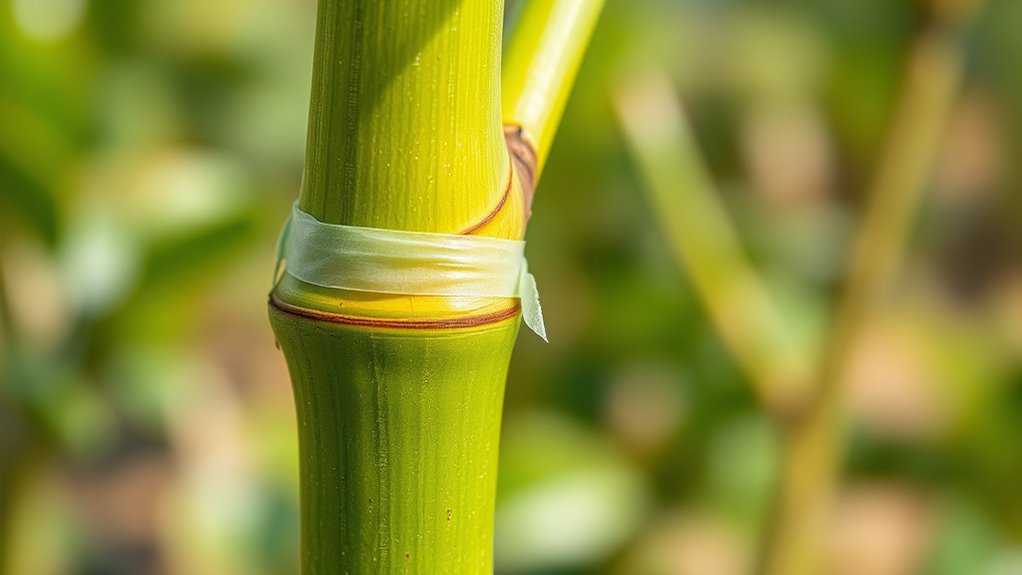
Have you ever wondered how gardeners and farmers protect their crops from devastating diseases? One effective method they use is grafting, which involves joining a healthy, disease-resistant plant part to another plant that might be more vulnerable. Central to this process is the careful selection of rootstocks, the part of the plant that provides the roots and lower stem. Choosing the right rootstock is vital because it directly influences the plant’s ability to fend off pathogens. When you select a rootstock with strong pathogen resistance, you give your crop a much better chance at surviving diseases that could otherwise wipe out your harvest.
Rootstock selection isn’t just about choosing any hardy plant; it’s about matching the rootstock’s traits to the specific threats in your environment. For instance, if your area is prone to soil-borne diseases like Phytophthora or bacterial wilt, you’ll want a rootstock proven to resist those particular pathogens. This targeted approach helps guarantee that your grafted plants are better equipped to withstand local diseases, reducing reliance on chemical treatments and increasing overall crop health. By prioritizing pathogen resistance in your rootstock choice, you effectively build a biological barrier. This barrier prevents harmful pathogens from invading the plant’s vascular system, which is often the first step in disease development.
Understanding the importance of rootstock selection also means recognizing that not all rootstocks are suited for every situation. Some might excel at resisting specific diseases but may not support ideal fruit or vegetable production. Hence, you need to weigh disease resistance against other qualities like drought tolerance, soil adaptability, and vigor. When you make an informed choice, you improve your chances of growing resilient plants that can thrive even under challenging conditions.
Another benefit of selecting the right rootstock is that it can influence the overall vigor and productivity of your plants. A resistant rootstock not only protects against disease but can also promote better nutrient uptake and growth. This results in healthier plants that produce higher yields and better-quality crops. Furthermore, grafting onto resistant rootstocks can help you manage disease pressures more sustainably, reducing the need for extensive chemical controls and fostering more eco-friendly farming practices.
Frequently Asked Questions
Which Plant Species Benefit Most From Grafting for Disease Resistance?
You’ll find that fruit trees like apples, cherries, and plums benefit most from grafting for disease resistance. By choosing rootstocks with good compatibility and incorporating disease resistance genes, you can improve the plant’s health and yield. Ensuring rootstock compatibility is vital, as it helps the grafted plant thrive. This method effectively reduces disease susceptibility, giving you stronger, more resilient plants with better productivity.
How Long Does It Take for Grafted Plants to Develop Resistance?
You might wonder how quickly grafted plants develop resistance. Typically, it takes several weeks to a few months, depending on the plant species and environmental conditions. The resistance timeline varies, but patience is key—most grafted plants start showing signs of disease resistance around the time they reach their usual time to maturity. Keep a close eye, and you’ll soon see the benefits of your grafting efforts unfold.
Can Grafting Prevent All Types of Plant Diseases?
Grafting can’t prevent all plant diseases because it primarily enhances pathogen resistance through the rootstock, but it doesn’t eliminate every threat. While it offers some genetic modification benefits, it doesn’t provide complete disease immunity. You should combine grafting with good cultural practices and resistant varieties to better protect your plants. Remember, no single method guarantees total disease prevention, so diversifying your approach is essential.
What Are the Environmental Impacts of Grafting for Disease Resistance?
You should consider that grafting for disease resistance can have environmental impacts, such as soil contamination from grafting materials or chemicals used. It may also affect biodiversity effects by reducing genetic diversity if a few resistant varieties dominate. While grafting helps manage diseases, you need to weigh these environmental concerns carefully, as it can influence soil health and ecosystem balance over time.
Are There Any Risks or Downsides to Grafting for Disease Resistance?
You should be aware that grafting for disease resistance can pose risks like graft incompatibility, which might cause poor plant growth or failure. Additionally, there’s a chance of pathogen transfer during the grafting process, potentially spreading diseases instead of preventing them. While it offers benefits, you need to carefully select compatible rootstocks and uphold sterile techniques to minimize these downsides and ensure successful, healthy grafts.
Conclusion
As you finish grafting, imagine your plant’s vibrant leaves standing strong against dark, lurking diseases. The union you’ve created is like a resilient shield, protecting the delicate tissues beneath. With each careful cut and snug fit, you’re nurturing a fortress of health that stands tall through storms. Feel the satisfaction as your grafted plant becomes a living proof to your skill and patience—ready to flourish, resilient and vigorous, against any disease that dares to threaten its life force.