
To implement sanitation protocols between crop cycles, you should thoroughly clean and disinfect all equipment, tools, and storage areas to eliminate bacteria, fungi, and pests. Remove debris, plant residue, and hiding spots that could harbor pests or diseases. Regular inspection helps catch problems early, while disinfectants and sterilizers ensure thorough decontamination. Keeping detailed records of sanitation procedures also aids in maintaining protocol consistency. Continue exploring to learn how to optimize each step for better crop health.
Key Takeaways
- Thoroughly clean and disinfect tools, machinery, and containers after each harvest to eliminate pathogens and pests.
- Remove plant debris and crop residues from the growing area to reduce pest breeding grounds.
- Disassemble equipment as needed to ensure all surfaces are accessible for effective sterilization.
- Implement pest control measures by inspecting regularly and applying targeted treatments if pests are detected.
- Maintain detailed records of sanitation activities to ensure compliance and facilitate ongoing improvements.

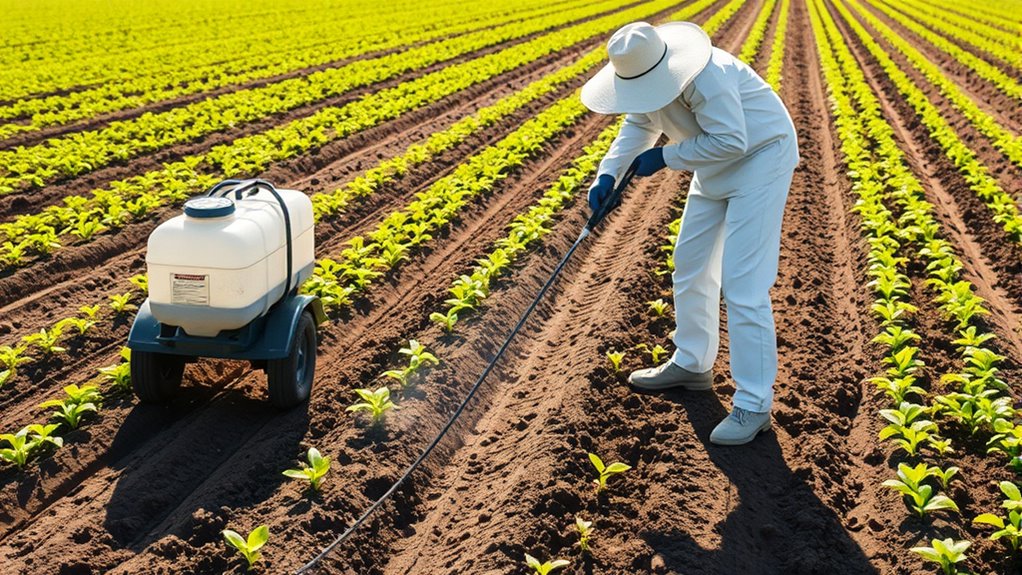
Have you ever wondered why proper sanitation protocols are essential in maintaining a safe and healthy environment? When transitioning between crop cycles, implementing thorough sanitation measures is critical to preventing the spread of pests, diseases, and contaminants. One of the primary reasons for strict sanitation is pest control. Pests like insects, rodents, and other unwanted organisms can easily hitch a ride from one crop cycle to the next if you’re not careful. These pests not only damage your crops but can also introduce new diseases, making your entire operation vulnerable. By adhering to proper sanitation protocols, you can greatly reduce pest populations and minimize the risk of infestations. Regular inspection, removal of debris, and targeted pest control treatments are vital steps. You should focus on eliminating hiding spots and breeding grounds, ensuring pests don’t find refuge during the off-season. This proactive approach saves you time, effort, and resources in the long run.
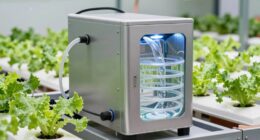
Another essential aspect is equipment sterilization. After harvesting, cleaning your tools, machinery, and containers thoroughly is non-negotiable. Equipment sterilization involves more than just wiping surfaces; it requires using appropriate disinfectants and sterilizing agents to eliminate bacteria, fungi, and viruses. If you neglect sterilization, you risk transferring pathogens from one crop to the next, which can compromise plant health and yield. Make sure to disassemble machinery whenever possible, so you can reach all surfaces and crevices. Pay close attention to equipment like pruning tools, irrigation systems, and harvest containers, as these are common vectors for disease transmission. Using high-temperature sterilization methods or chemical disinfectants ensures thorough decontamination. Keeping detailed records of sterilization procedures can also help track compliance and identify any lapses in protocol. Proper sanitation practices also include cleaning and disinfection techniques that are vital for maintaining a healthy growing environment.
Beyond pest control and equipment sterilization, sanitation involves removing plant debris, disinfecting storage areas, and managing waste efficiently. You want to create an environment that’s inhospitable to pests and pathogens. Proper sanitation between crop cycles isn’t just about cleanliness; it’s about safeguarding your investment and ensuring ideal growing conditions. By consistently applying these protocols, you reduce the likelihood of disease outbreaks and pest infestations, leading to healthier plants and higher yields. Remember, prevention is always more effective and economical than dealing with problems after they arise. So, dedicate time and effort to sanitation practices, knowing that they form the foundation of successful crop production. Maintaining a clean, pest-free, and sterilized environment sets the stage for a productive and sustainable farming operation.

ForPro Total-Cide Disinfectant Solution, 2X Concentrated Formula, Hospital Grade Sanitizer & All Purpose Cleaner, 16 Fl Oz
Hospital Grade Disinfectant: ForPro TOTAL-CIDE is a powerful, hospital grade, EPA registered, broad-spectrum disinfectant, sanitizer, deodorizer and all-purpose…
As an affiliate, we earn on qualifying purchases.
As an affiliate, we earn on qualifying purchases.
Frequently Asked Questions
How Often Should Sanitation Protocols Be Reviewed and Updated?
You should review and update your sanitation protocols at least once a year to guarantee they remain effective. Regular protocol review helps identify gaps or new risks, so updating frequency depends on factors like crop type, equipment, and recent incidents. Stay proactive by scheduling updates after any contamination event or change in procedures. This way, you maintain peak sanitation standards and reduce the risk of crop contamination or disease transmission.
Are There Recommended Sanitation Products for Specific Crop Types?
You might think a generic cleaner would do, but for specific crops, tailored sanitation products are key. For example, after removing crop residue, you’ll want products that excel at pathogen control, targeting crop-specific pests and diseases. Ironically, choosing the right product isn’t just about cleaning—it’s about precision. Using the correct product guarantees you effectively eliminate pathogens, protecting your next crop and reducing the risk of disease spread.
What Training Is Required for Staff on Sanitation Procedures?
You need to train your staff on proper sanitation procedures by emphasizing worker hygiene and equipment sterilization. Make sure they understand the importance of handwashing, using provided sanitation stations, and wearing clean protective gear. Teach them how to properly clean and sterilize equipment between crop cycles to prevent contamination. Regular refresher courses help reinforce these practices, ensuring your team maintains high standards for sanitation and reduces the risk of crop issues.
How to Handle Sanitation Failures or Contamination Outbreaks?
Think of contamination outbreaks as storms you must weather. When they happen, follow your cleaning schedules meticulously to contain the issue. Immediately isolate affected areas to prevent further spread, then perform thorough cleaning and disinfection. Document every step to guarantee contamination prevention measures are effective. Quickly addressing failures keeps your operation safe, maintains crop integrity, and helps restore confidence—like calming a storm with steady, deliberate action.
What Are the Costs Associated With Implementing Sanitation Protocols?
You should conduct a cost analysis to understand the expenses of implementing sanitation protocols, including cleaning supplies, labor, and equipment. These costs vary depending on your farm size and sanitation needs. Incorporate these findings into your budget planning to ensure sufficient funds are allocated. While initial costs may seem high, maintaining proper sanitation prevents costly contamination outbreaks, ultimately saving you money and protecting your crop quality over time.
crop cycle sanitation supplies
As an affiliate, we earn on qualifying purchases.
As an affiliate, we earn on qualifying purchases.
Conclusion
By maintaining diligent sanitation protocols between crop cycles, you gently nurture a fresh start for your fields. Think of it as giving your land a quiet, restorative pause—an act of respect and renewal. Though the process may seem routine, it’s really an act of kindness that preserves the land’s silent promise of abundance. Embrace these practices, and you’ll find your efforts whispering the quiet hope of future harvests, thriving beneath the surface.

Ozone Applications in the Food Industry: Trends and Future Prospects (Postharvest Biology and Technology)
As an affiliate, we earn on qualifying purchases.
As an affiliate, we earn on qualifying purchases.

Soiiw High Temperature Sterilizer Autoclave Machine 110V 300W Nail Tool Sterilizer Dry Heat Sterilizer Dental Tool Sterilizer esterilizador de manicura 1.5L Salon Equipment for Metal Tools with Handle
High Temperature with Timer: The temperature can be adjusted between 0°C and 220°C. When it reaches the maximum…
As an affiliate, we earn on qualifying purchases.
As an affiliate, we earn on qualifying purchases.