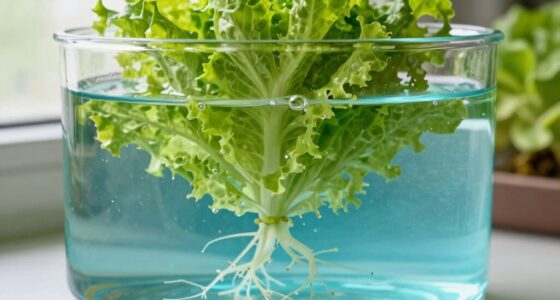
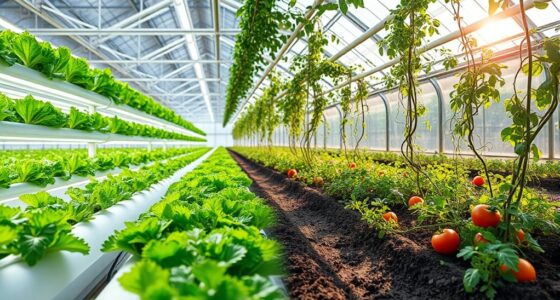
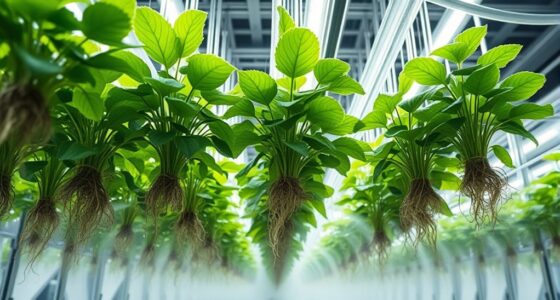
To manage diseases effectively in controlled environments, focus on harnessing natural genetic resistance and crop rotation. Select resistant plant varieties to reduce your reliance on chemicals and disrupt pest and pathogen cycles through strategic crop shifts. Combining these methods creates a resilient system that minimizes disease outbreaks and promotes healthier crops. By optimizing conditions like soil health and humidity alongside resistance, you’ll build a sustainable, eco-friendly approach that keeps threats at bay — and there’s more to discover on how to perfect these strategies.

Get garden gear delivered free with Prime
- Fast, free delivery on millions of items
- Prime Video, Amazon Music and more included
- Member-only deals all year
Key Takeaways
- Implement crop rotation to break pest and pathogen life cycles in controlled settings.
- Select and breed resistant plant varieties to enhance genetic defenses against diseases.
- Combine resistance strategies with environmental controls like humidity and temperature regulation.
- Use integrated pest management to reduce reliance on chemicals and promote plant resilience.
- Monitor and adapt practices proactively for a sustainable, disease-resistant growing environment.

Ever wonder how some people seem to manage chronic illnesses effortlessly while others struggle? The secret often lies in understanding and leveraging biological advantages like genetic resistance. In controlled environments, such as greenhouses or specialized farming setups, this concept becomes even more powerful. Genetic resistance refers to the natural ability of certain plants or organisms to withstand pests, diseases, or environmental stresses. By selecting resistant varieties or breeding for these traits, you can considerably reduce the need for chemical interventions and create a more resilient system. This approach not only keeps your crops healthier but also minimizes the risk of disease outbreaks spiraling out of control. When combined with strategic practices like crop rotation, genetic resistance becomes a cornerstone of effective disease management.
Crop rotation is a time-tested method that disrupts the life cycle of pathogens and pests. When you rotate crops systematically, you prevent specific diseases from establishing a permanent foothold in your growing environment. For example, if you plant tomatoes one season and then switch to legumes the next, you break the cycle of soil-borne diseases like fusarium or verticillium. This rotation deprives pathogens of their preferred hosts, effectively reducing their populations over time. In a controlled environment, you can plan rotations meticulously, tailoring each cycle to combat known vulnerabilities. By integrating crop rotation with genetic resistance, you’re creating a multi-layered defense system. Resistant varieties are less likely to succumb to diseases, and rotating crops prevents pathogens from adapting or building resistance themselves.
This combination gives you a notable advantage by decreasing reliance on chemical treatments and fostering a healthier growing environment. In controlled settings, you can also manipulate other factors such as soil health, humidity, and temperature to complement these strategies. Maintaining ideal conditions ensures that resistant plants thrive and that disease pressure remains manageable. Additionally, choosing the right plant varieties with high levels of genetic resistance can significantly enhance your crop’s resilience. Over time, this integrated approach builds a sustainable system where disease outbreaks are less frequent and less severe. It’s about working smarter, not harder, by harnessing natural resistance and smart planting practices. When you understand the importance of genetic resistance and crop rotation, you empower yourself to develop a proactive, resilient system that withstands threats better than reactive methods alone. This mindset not only improves crop health but also aligns with sustainable, environmentally conscious practices. Ultimately, combining these strategies makes disease management in controlled environments more predictable, cost-effective, and environmentally friendly, giving you peace of mind and a healthier harvest.
resistant plant varieties for disease management
As an affiliate, we earn on qualifying purchases.
As an affiliate, we earn on qualifying purchases.
Frequently Asked Questions
How Do Controlled Environments Differ From Traditional Disease Management Methods?
Controlled environments differ from traditional methods by using biological controls and genetic resistance to manage diseases. You actively create ideal conditions that reduce pathogen spread, unlike traditional approaches that rely on chemical treatments. With biological controls, you introduce natural predators or beneficial microbes, while genetic resistance involves selecting or engineering plants that naturally resist diseases. This approach minimizes chemical use and promotes sustainable, effective disease management tailored to specific environments.
What Are the Costs Associated With Implementing Disease Management in Controlled Environments?
When you perform a cost analysis for disease management in controlled environments, you’ll find that initial setup costs, including equipment and training, can be significant. Budget considerations also include ongoing expenses like maintenance and monitoring. While these costs may seem high, they often lead to long-term savings by reducing disease outbreaks and improving efficiency. Understanding these factors helps you make informed decisions about investing in effective disease management strategies.
Can Disease Management Secrets Be Applied to Outdoor or Semi-Controlled Settings?
You can definitely apply disease management secrets to outdoor or semi-controlled settings. Outdoor challenges like unpredictable weather and pests require semi-controlled strategies such as targeted irrigation and pest barriers. By adapting proven techniques, you can effectively reduce disease spread, improve plant health, and minimize costs. These strategies help you manage risks in less predictable environments, ensuring your plants stay healthy despite outdoor challenges.
How Do Environmental Factors Influence Disease Progression in Controlled Environments?
Imagine you’re living in a time before modern science, yet you still wonder how environmental factors impact disease. In controlled environments, you influence disease progression through humidity control, which helps prevent excess moisture that fosters pathogens. By maintaining ideal humidity levels, you enhance pathogen suppression, reducing infection risks. You see, environmental factors like temperature and airflow directly affect disease spread, so managing these variables keeps your plants healthier and minimizes outbreaks.
What Role Do Emerging Technologies Play in Disease Management Strategies?
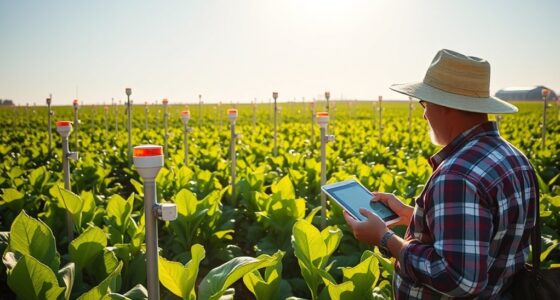
Emerging technologies like sensor integration and data analytics play a pivotal role in disease management strategies. You can monitor environmental conditions in real-time, allowing you to quickly identify changes that might promote disease. Data analytics helps you interpret this information, predict outbreaks, and make informed decisions. By leveraging these innovations, you improve your ability to prevent and control diseases effectively, ensuring healthier controlled environments for plants, animals, or humans.
Conclusion
Now that you know the secrets of disease management in controlled environments, you’re better equipped to keep your space healthy and thriving. Remember, a little vigilance and proper techniques can make all the difference—like a modern-day Florence Nightingale, you hold the power to prevent outbreaks and ensure safety. Stay consistent, adapt to new challenges, and keep your environment a bastion of health. With these tips, you’re prepared to conquer any microbial villain that comes your way!
Fall Picks
fall essentials
As an affiliate, we earn on qualifying purchases.