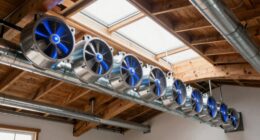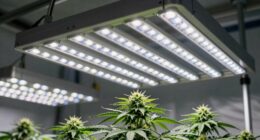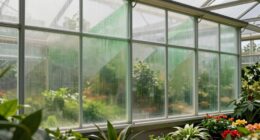
By merging maker-spaces with greenhouses, you can create innovative environments for sustainable food growth. This combo allows you to experiment with eco-friendly techniques like aquaponics and renewable energy while engaging your community through workshops and shared projects. It fosters hands-on learning, collective problem-solving, and local solutions to food security. Sustainable design features, such as solar panels and recycled materials, inspire responsible practices. Keep exploring to discover how this approach can transform your community and your own efforts toward fresh food.
Key Takeaways
- Merging maker-spaces with greenhouses fosters collaborative innovation for sustainable food production techniques.
- Community-driven projects in hybrid spaces promote eco-friendly practices like aquaponics and renewable energy use.
- Sustainable design features such as solar panels and recycled materials demonstrate responsible construction and operation.
- Educational activities in these spaces enhance skills in water, energy conservation, and crop management.
- Such initiatives empower individuals and communities to develop resilient, environmentally conscious food systems.

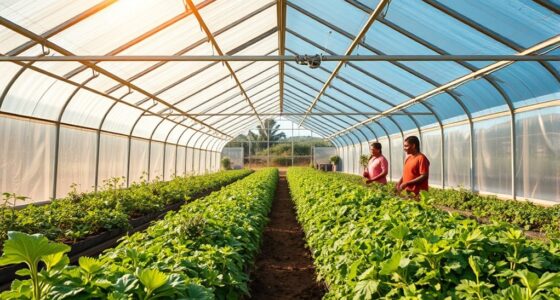
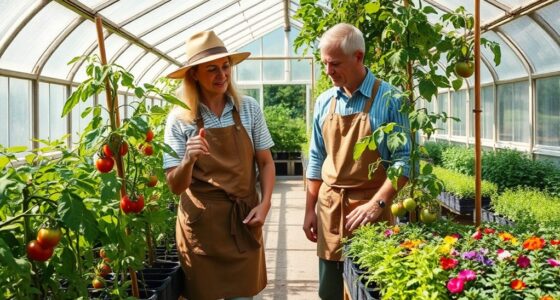
As innovation continues to thrive, maker-spaces and greenhouses are increasingly merging to create dynamic environments for creativity and sustainability. This fusion offers a unique opportunity for you to get involved in sustainable design that benefits both the environment and your community. By combining the hands-on, collaborative spirit of maker-spaces with the natural growth environment of greenhouses, you can develop practical solutions for food production that are eco-friendly and cost-effective. These hybrid spaces encourage you to experiment with new techniques, from aquaponics to renewable energy integration, making sustainability an accessible and engaging goal.
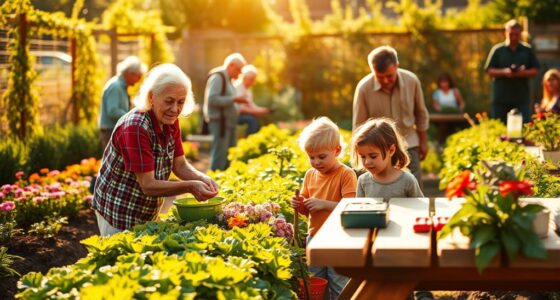
In these environments, community engagement becomes a core element. As you participate in workshops, shared projects, or volunteer efforts, you become part of a larger movement aimed at local self-sufficiency and environmental responsibility. Greenhouses within maker-spaces serve as communal hubs where you can learn about sustainable practices firsthand, share ideas, and contribute to collective efforts that address food security and climate resilience. This collaborative approach ensures that innovations aren’t just theoretical—they’re tested and refined by real community needs, fostering a sense of ownership and pride.
The integration of sustainable design principles into these spaces means that every element is purposefully chosen to minimize environmental impact. You might see solar panels powering grow lights or rainwater harvesting systems supporting irrigation. These features aren’t just functional—they serve as educational tools, inspiring you and others to adopt greener habits outside the space. The focus on sustainability also extends to materials used in construction; recycled and locally sourced materials help reduce waste and carbon footprints, making the space a model for responsible design.
Engaging with these innovative environments can also enhance your understanding of positive thinking by highlighting how collective efforts and sustainable practices contribute to a better future. You can experiment with growing food in innovative ways that conserve water and energy, or develop DIY solutions for pest control and crop management. The community-driven focus ensures that your efforts are amplified through shared knowledge and collective problem-solving, creating a ripple effect that can influence broader local initiatives.
Ultimately, merging maker-spaces with greenhouses empowers you to take an active role in shaping a more sustainable future. It’s about transforming ideas into tangible outcomes while fostering community bonds. When you participate in such environments, you’re not just growing plants—you’re cultivating a mindset of innovation, responsibility, and shared stewardship of the planet. This synergy of creativity and sustainability offers a compelling way to produce fresh food, connect with others, and make a meaningful impact on your community’s resilience.

Summit Appliance FFBF235PL 24" Wide Bottom Freezer Refrigerator, Energy Star, LED Lighting, Stainless Steel (RHD)
Energy Star 24-Inch Freezer Refrigerator: Summit's thin-line series of ENERGY STAR-certified counter-depth bottom freezer refrigerators conserves energy and...
As an affiliate, we earn on qualifying purchases.
Frequently Asked Questions
How Do Maker-Spaces Influence Sustainable Urban Farming Practices?
Maker-spaces influence sustainable urban farming by fostering urban innovation and encouraging resource sharing. You can collaborate with others to develop eco-friendly farming techniques, share equipment, and exchange ideas that boost efficiency. These spaces empower you to experiment with new solutions, reduce waste, and optimize resource use. As a result, maker-spaces help you create more sustainable, resilient urban farms, making fresh food more accessible while promoting environmental responsibility.
What Safety Concerns Are Associated With Combining Maker-Spaces and Greenhouses?
When combining maker-spaces and greenhouses, safety concerns include electrical hazards from equipment used in fabrication and automation. You also face biosecurity risks, such as contamination from tools or materials transferred between spaces. To keep everyone safe, guarantee proper electrical safety measures and strict biosecurity protocols. Regular maintenance, staff training, and clear guidelines help minimize these risks and foster a secure environment for innovative urban farming.
Can Maker-Spaces Support Advanced Agricultural Technology Integration?
They say “necessity is the mother of invention,” and maker-spaces are perfect for supporting advanced agricultural tech. You can integrate robotic automation and crop modeling into greenhouses, boosting efficiency and precision. These spaces foster innovation, allowing you to experiment with new tools and techniques. With the right setup, maker-spaces become hubs for developing sustainable, high-tech farming solutions that transform traditional agriculture.
How Do These Hybrid Spaces Impact Local Food Security?
You see, hybrid spaces boost local food security by enhancing urban resilience and promoting food sovereignty. They empower you to grow fresh food closer to home, reducing reliance on external sources. By combining maker-spaces with greenhouses, you foster innovation and community involvement, making your neighborhood more adaptable to disruptions. This approach strengthens local food systems, ensuring access to nutritious food and supporting sustainable, resilient urban environments.
What Community Benefits Arise From Merging Maker-Spaces With Greenhouses?
When you merge maker-spaces with greenhouses, you foster community collaboration and skill development. You create a space where local residents can work together, share knowledge, and develop new skills related to gardening, sustainability, and innovation. These hybrid spaces encourage people to engage actively, learn from each other, and build stronger community ties. As a result, everyone benefits from increased food security, environmental awareness, and a sense of collective achievement.

Summit 24" Bottom Freezer Refrigerator, Counter Depth Refrigerator- Freezer, Energy Star, White - FFBF121W (Right Hand Door)
Save Space and Energy: This ENERGY STAR refrigerator features a spacious 11.7 cu.ft. of storage capacity in a...
As an affiliate, we earn on qualifying purchases.
Conclusion
By combining maker-spaces with greenhouses, you’re opening doors to innovative food solutions. Did you know that urban farms can increase local food production by up to 70%? This powerful blend empowers you to experiment, learn, and grow fresh food right in your community. Embrace this innovative approach, and you’ll not only enhance sustainability but also foster creativity and resilience. It’s a game-changer—ready to cultivate your own green future?
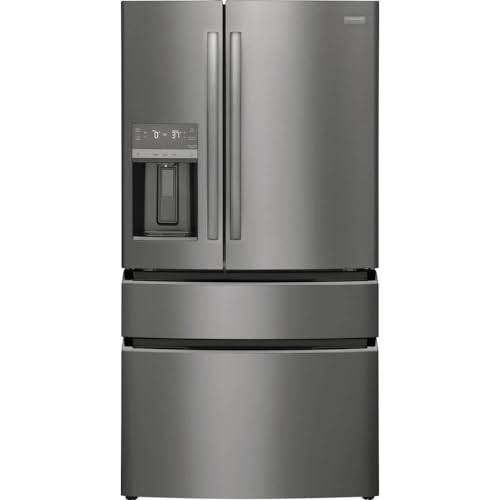
Frigidaire Gallery 21.5 cu ft Counter-Depth 4-Door French Door Refrigerator – 36″ Width, External Ice & Water Dispenser, Convertible Temp Drawer, Smudge-Proof Black Stainless Steel (Model GRMC2273CD)
21.5 cu ft total capacity (approx. 13.1 cu ft fresh-food + 5.8 cu ft freezer + 2.6 cu...
As an affiliate, we earn on qualifying purchases.
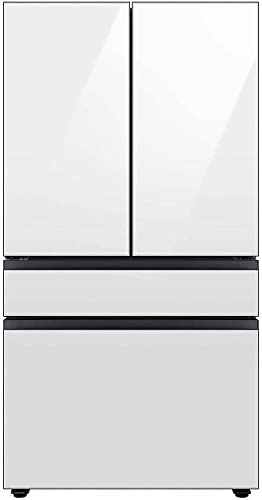
Samsung RF23BB860012 23 cu ft Counter-Depth 4-Door French Door Refrigerator with FlexZone™ Drawer – Beverage Center™, ENERGY STAR® White Glass
23 Cu Ft Counter-Depth Capacity – Provides generous food storage while maintaining a sleek, built-in look that aligns...
As an affiliate, we earn on qualifying purchases.