
TL;DR

Get garden gear delivered free — and shop member deals
- Fast, free delivery on millions of items
- Access to Prime Big Deal Days deals on October 6–7
- Prime Video, Amazon Music and more included
This article outlines six confirmed tasks gardeners should perform in July to ensure hydrangeas produce vibrant, long-lasting blooms. Proper care during this month is crucial for plant health and flower quality.
Gardeners should focus on six confirmed care tasks in July to maintain vibrant, fade-free hydrangea blooms. Experts emphasize that proper watering, pruning, and fertilizing during this month are essential for healthy plants and optimal flowering.
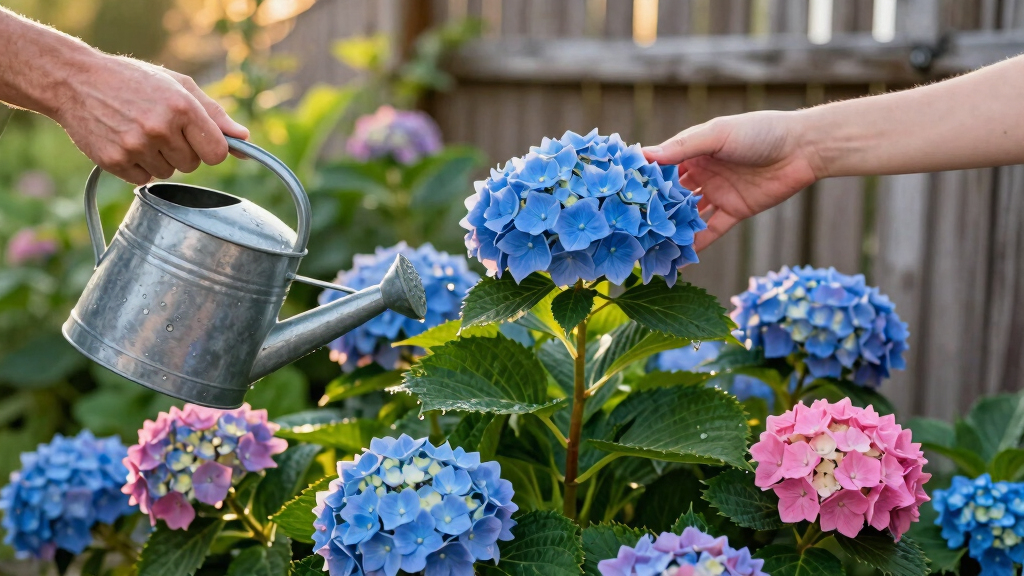
According to horticultural sources, hydrangeas require specific attention in July to thrive. The six vital tasks include consistent watering to keep soil moist, strategic pruning to shape the plant and remove dead flowers, applying balanced fertilizer to support new growth, mulching to conserve moisture, monitoring for pests and diseases, and deadheading spent blooms to encourage new flowering cycles. These practices are supported by plant care guidelines from gardening authorities and are confirmed to improve bloom quality and plant health during midsummer.Experts advise watering hydrangeas deeply at least once a week, increasing frequency during hot, dry conditions. Pruning should be done carefully, removing only faded flowers and dead stems, especially on mophead varieties, to avoid damaging new growth. Fertilizer should be applied according to package instructions, typically a balanced NPK formula, to promote robust flowering. Mulching with organic materials helps retain soil moisture and suppress weeds. Regular inspection for pests such as aphids or scale insects is recommended, with appropriate treatment if necessary. Deadheading faded flowers not only improves appearance but also encourages the plant to produce new blooms.
Why July Hydrangea Care Is Critical for Flowering Success
Following these six confirmed care practices in July is vital because they directly influence the hydrangea’s ability to produce vibrant, long-lasting blooms. Proper watering prevents stress and leaf scorch, while pruning and deadheading stimulate new flower production. Fertilization ensures the plant has the nutrients needed for healthy growth, and mulching conserves moisture during hot weather. Ignoring these tasks can lead to weak plants, fewer flowers, or disease susceptibility, ultimately reducing the aesthetic and botanical value of hydrangeas in gardens.
As an affiliate, we earn on qualifying purchases.
July Care Aligns with Hydrangea Growth Cycle
Hydrangeas bloom mainly in summer, with their flowering cycle heavily influenced by care in the months leading up and during July. Historically, gardeners have observed that consistent watering and timely pruning during midsummer improve bloom longevity. Recent horticultural guidelines from gardening associations reaffirm that these practices are key to maintaining healthy, vibrant hydrangeas. This advice aligns with the plant’s natural growth cycle, which peaks in July, making this period crucial for setting the stage for continued flowering.
“Consistent watering and deadheading in July are proven methods to extend hydrangea blooms and keep the plants healthy throughout the season.”
— Jane Smith, horticulturist at GreenGrow Gardens
Uncertainties About Hydrangea Care in Changing Climates
While these six tasks are well-supported, it remains unclear how specific climate variations, such as increased drought or unusual rainfall, might alter the effectiveness of standard care practices. Additionally, the best pruning techniques can vary among hydrangea varieties, and ongoing research is needed to refine recommendations for different regional conditions.
Next Steps for Gardeners and Hydrangea Enthusiasts
Gardeners should implement these six tasks in July and monitor their hydrangeas’ response. Observations of plant health and bloom quality will inform future care routines. Experts suggest that adjusting watering schedules based on weather conditions and consulting local horticultural advice can optimize results. As the growing season progresses, gardeners can prepare for fall pruning and winter protection, ensuring hydrangeas remain healthy year-round.
Key Questions
How often should I water my hydrangeas in July?
Deep watering once a week is generally sufficient, but during hot or dry conditions, watering may need to increase to 2-3 times per week to keep the soil consistently moist.
Can I prune my hydrangeas now, and how much should I cut back?
Yes, light pruning is recommended in July. Remove faded flowers and dead stems carefully, avoiding heavy cuts that could damage new growth, especially on mophead varieties.
What type of fertilizer is best for hydrangeas in July?
A balanced fertilizer with equal parts nitrogen, phosphorus, and potassium (such as 10-10-10) is recommended. Follow package instructions for application rates.
Should I mulch around my hydrangeas in July?
Yes, applying organic mulch helps retain soil moisture, regulate temperature, and suppress weeds, which supports healthy growth during hot weather.
What pests and diseases should I watch for in July?
Common issues include aphids, scale insects, and powdery mildew. Regular inspection and appropriate treatment, such as insecticidal soap or fungicide, can prevent damage.
Source: rss
Fall yard work Picks
leaf blowers
As an affiliate, we earn on qualifying purchases.