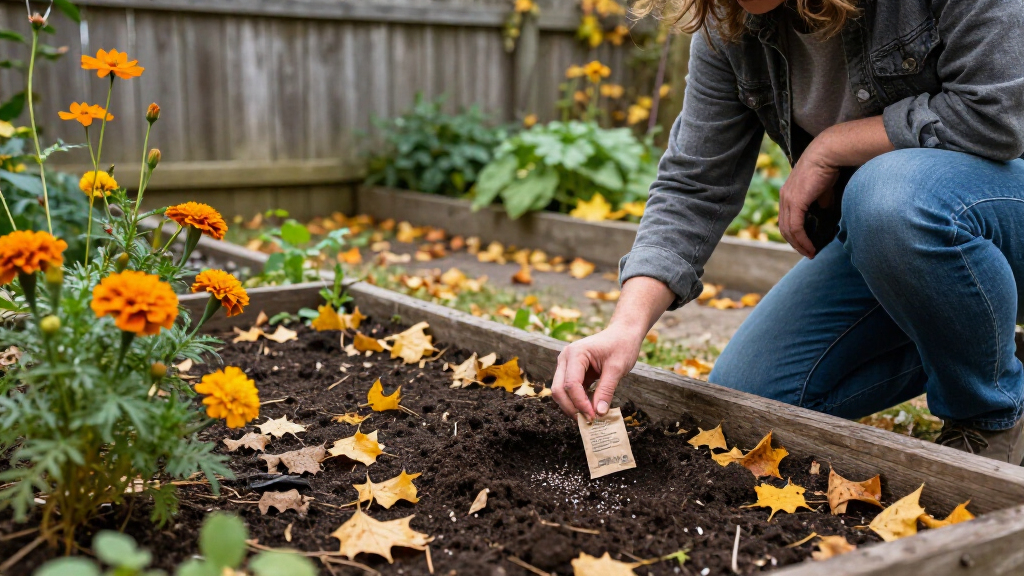

The best fall flower seeds depend on whether you want bold late-season color, flowers that return, or a varied planting suited to cooler weather. My best overall pick is the Cool Season Flower Seeds, 10-Variety Heirloom Collection, which offers more variety than a single-species packet while keeping the focus on cool-season blooms. For a clear, dramatic display, Autumn Beauty Sunflower Seeds stand out; gardeners seeking perennial color can compare the New England aster options. The main tradeoffs are variety versus predictability, annual color versus perennial return, and broad mixes versus seeds chosen for a specific use. Read on for the full breakdown and guidance on matching a seed mix to your garden and planting window.

Get garden gear delivered free with Prime
- Fast, free delivery on millions of items
- Prime Video, Amazon Music and more included
- Member-only deals all year
Complete the kit


Key Takeaways
- The 10-variety cool-season collection is my best overall choice because it directly targets cool-season planting while offering more bloom variety than single-species packets.
- Sunflowers make the clearest statement planting: Autumn Beauty is the broad color choice, while Chocolate Cherry offers a more specific, darker-toned look.
- New England asters are the perennial-focused contenders, but the three listings vary by seed count and packaging, so compare them by planting scale rather than assuming the names mean identical contents.
- Broad mixes serve different goals: a fall-blooming mix focuses on seasonal display, an all-perennial mix points toward longer-term planting, and the edible-flower pack has a distinct kitchen-garden purpose.
- Small, specialized packets can suit constrained plans: the creeping pansy mix and mixed chrysanthemum seeds offer alternatives to high-count sunflower and aster packets, but require closer attention to the intended site and growing conditions.
| Autumn Beauty Sunflower Seeds, 1,400+ Non-GMO Seeds |  | Best for a Large, Colorful Display | Seed count: 1,400+ | Coverage: About 75 square feet | Plant height: 4 to 5 feet | VIEW LATEST PRICE | See Our Full Breakdown |
| New England Aster Seeds, 500+ Purple Perennial Wildflower Seeds |  | Best for Late-Season Pollinators | Seed quantity: 500+ | Flower color: Purple with golden-yellow centers | Plant type: Perennial wildflower | VIEW LATEST PRICE | See Our Full Breakdown |
| 600 New England Aster Heirloom Flower Seeds |  | Best Aster Option for Colder Zones | Seed count: 600 | Plant type: New England aster (Aster novae-angliae) | Flower color: Purple | VIEW LATEST PRICE | See Our Full Breakdown |
| Fall-Blooming Wildflower Seed Mix |  | Best for a Mixed Wildflower Patch | Seed count: 3,400 | Seed weight: 4.54 g | Planting method: Direct sow on bare soil | VIEW LATEST PRICE | See Our Full Breakdown |
| Eden Brothers All Perennial Wildflower Seed Mix, 1/4 lb |  | Best for Large Perennial Coverage | Seed varieties: 19 perennial flower varieties | Seed weight: 1/4 lb (4 oz) | Coverage: Up to 1,000 square feet | VIEW LATEST PRICE | See Our Full Breakdown |
| Cool Season Flower Seeds, 10-Variety Heirloom Collection |  | Best Cool-Season Variety | Varieties: 10 | Included examples: Alyssum, calendula, pansy, snapdragon, and sweet pea | Planting period: Spring to fall | VIEW LATEST PRICE | See Our Full Breakdown |
| Autumn Beauty Sunflower Seeds for Planting – Heirloom Non-GMO |  | Best for a Colorful Tall Backdrop | Plant type: Sunflower, Autumn Beauty | Seed type: Heirloom, non-GMO, untreated | Expected height: 5–7 feet | VIEW LATEST PRICE | See Our Full Breakdown |
| Chocolate Cherry Sunflower Seeds, 600+ Heirloom Seeds |  | Best Bulk Pick for Dark Blooms | Seed quantity: 600+ | Flower type: Chocolate Cherry sunflower | Seed type: Open-pollinated heirloom | VIEW LATEST PRICE | See Our Full Breakdown |
| Mixrug 502+ Perennial Mixed Chrysanthemum Seeds |  | Best Perennial Fall Color | Seed count: 502+ | Plant type: Perennial chrysanthemums | Flower forms: Daisy, pompon, decorative, and quill | VIEW LATEST PRICE | See Our Full Breakdown |
| Chocolate Cherry Sunflower Seeds for Planting, 1 Pack |  | Best Single-Pack Dark Sunflower | Pack count: 1 | Seed weight: 4.54 g | Plant type: Annual sunflower (Helianthus annuus) | VIEW LATEST PRICE | See Our Full Breakdown |
| Carpet Creeping Pansy Seed Mix, 199 Count |  | Best for Cool-Weather Containers | Seed count: 199 | Plant type: Annual | Flower color: Violet mix | VIEW LATEST PRICE | See Our Full Breakdown |
| 36-Variety Edible Flower Seed Pack, 16,570+ Non-GMO Heirloom Seeds |  | Best for Edible Flower Variety | Varieties: 36 | Seed count: Over 16,570 | Seed type: Non-GMO, heirloom, open-pollinated | VIEW LATEST PRICE | See Our Full Breakdown |
| Mixrug 1000+ Mixed New England Aster Perennial Seeds |  | Best for a Pollinator-Friendly Fall Perennial Display | Seed quantity: 1,000+ | Plant type: Perennial asters, including New England varieties | Flower colors: Purple, pink, white, and lavender | VIEW LATEST PRICE | See Our Full Breakdown |
| fall flower seed | Plant type |
|---|---|
| Autumn Beauty Sunflower Seeds | — |
| New England Aster Seeds | Perennial wildflower |
| 600 New England Aster Heirloom | New England aster (Aster novae-angliae) |
| Fall-Blooming Wildflower Seed | — |
| Eden Brothers All Perennial Wi | — |
| Cool Season Flower Seeds | — |
| Autumn Beauty Sunflower Seeds | Sunflower, Autumn Beauty |
| Chocolate Cherry Sunflower See | — |
| Mixrug 502+ Perennial Mixed Ch | Perennial chrysanthemums |
| Chocolate Cherry Sunflower See | Annual sunflower (Helianthus annuus) |
| Carpet Creeping Pansy Seed Mix | Annual |
| 36-Variety Edible Flower Seed | — |
| Mixrug 1000+ Mixed New England | Perennial asters, including New England varieties |
More Details on Our Top Picks
Autumn Beauty Sunflower Seeds, 1,400+ Non-GMO Seeds
For a broad fall border with varied color, I’d choose Autumn Beauty sunflowers over the New England aster seeds: this packet gives you 1,400+ seeds and stated coverage of about 75 square feet, while the asters are a better fit for a recurring perennial patch. The blooms mix gold, bronze, yellow, orange, and purple, giving a more varied palette than the single-color purple aster options. Plants reach 4 to 5 feet, so they can make a noticeable backdrop, but they may shade shorter flowers and need room. About 70 days to bloom can suit a planned seasonal display, though it is less helpful if your local growing window is short. Full sun and moderate watering are required; this is not a low-light choice.
Pros:- Large seed count with stated coverage of about 75 square feet
- Several bloom colors create a varied display
- Planting instructions and a reusable zipper packet are included
- Open-pollinated, non-GMO seeds
Cons:- Plants can reach 5 feet and may crowd or shade shorter flowers
- Needs full sun and moderate watering
- About 70 days to bloom may not fit every short growing season
Best for: Gardeners with a sunny, open area who want many colorful, tall blooms for a seasonal display.
Not ideal for: Small-space growers, shaded yards, or gardeners seeking compact flowers or a dependable perennial planting.
- Seed count:1,400+
- Coverage:About 75 square feet
- Plant height:4 to 5 feet
- Time to bloom:About 70 days
- Bloom colors:Gold, bronze, yellow, orange, and purple
- Sunlight:Full sun
- Seed type:Open-pollinated, non-GMO
- Packet features:Reusable zipper packet with planting instructions
Our verdict“Choose these for a sunny, spacious garden where a generous sowing of tall, multicolored flowers matters more than perennial return.”
New England Aster Seeds, 500+ Purple Perennial Wildflower Seeds
I’d pick these New England asters when the goal is a perennial source of late-season color and pollinator activity, rather than the broad one-season sweep offered by the Autumn Beauty sunflowers. Their purple flowers with golden centers bloom from late summer into fall, and the stems can also be cut for arrangements. The plants grow up to 48 inches, so they suit a meadow or the back of a bed better than a low border. The main hurdle is the seed-starting process: cold stratification is required, and seedlings need consistent moisture during germination and their first growing season. That makes these less hands-off at the start than an easy direct-sown display. The listed hardiness range is inconsistent, so I’d verify local suitability before buying.
Pros:- Purple flowers with golden centers provide late-summer and fall color
- Attracts bees, butterflies, and hummingbirds
- Perennial plants can return after establishment
- Tall stems work for cut-flower arrangements
Cons:- Requires cold stratification before germination
- Needs consistent moisture during germination and the first growing season
- Hardiness information differs between zone 3–8 and zone 3–9
Best for: Gardeners who want tall, perennial fall flowers that feed pollinators and are willing to prepare seeds before sowing.
Not ideal for: New growers seeking quick, simple direct sowing, or gardeners who need a clearly stated hardiness range for their area.
- Seed quantity:500+
- Flower color:Purple with golden-yellow centers
- Plant type:Perennial wildflower
- Plant height:Up to 48 inches
- Blooming period:Late summer to fall
- Sunlight:Full sun
- Hardiness zones:Listed as 3–8 and 3–9
- Germination:Cold stratification required; sprouts in 14–21 days
Our verdict“Choose these asters for a sunny perennial bed or meadow if you can handle cold stratification and want flowers that support pollinators into fall.”
600 New England Aster Heirloom Flower Seeds
Among the two New England aster packets here, I’d give KVITER’s 600-seed option the edge for gardeners who want a stated fit for colder regions: its listed zones are 2–8, while the other aster listing gives conflicting ranges of 3–8 and 3–9. It also specifies eight weeks of cold stratification, which makes the prep commitment clear, and includes a growing guide. The tradeoff is that this is still a deliberate seed-starting project, not the easiest route to instant fall color. Plants reach 48 inches and need regular watering, so they’re better for a prepared bed or border than a dry, compact spot. Compared with the 500+ seed aster packet, the larger count may suit a broader sowing, but both share the same stratification hurdle.
Pros:- Listed for USDA hardiness zones 2–8
- 600 seeds suit a broader planting than the 500+ seed aster option
- Detailed growing guide is included
- Attracts bees and butterflies and has stems suited to cutting
Cons:- Requires eight weeks of cold stratification
- Needs regular watering
- Listed fall-to-winter bloom timing may not align with every local growing season
Best for: Cold-region gardeners planning a perennial aster bed who can set aside time for an eight-week seed-preparation period.
Not ideal for: Gardeners who want effortless direct sowing, low-water planting, or blooms without a long establishment process.
- Seed count:600
- Plant type:New England aster (Aster novae-angliae)
- Flower color:Purple
- Plant height:48 inches
- USDA hardiness zones:2–8
- Cold stratification:8 weeks
- Plant spacing:18–24 inches
- Soil and watering:Loam; regular watering
Our verdict“Choose this packet if you want New England asters in a colder-zone garden and are prepared to follow the stratification and watering requirements.”
Fall-Blooming Wildflower Seed Mix
This 3,400-seed mix is the broad-planting choice in this group: unlike the single-species New England aster packets, it offers a mixed-color display and is described as attracting pollinators. It’s intended for direct sowing on bare soil, which can make it a simpler way to cover an open patch than preparing aster seeds for cold stratification. Still, the listing has a timing mismatch worth noting: it is called fall-blooming, but the expected bloom period is listed as spring. I wouldn’t buy it on the assumption of a guaranteed autumn flush without checking the packet details. It also calls for full sun and moderate watering, so it won’t solve the problem of a shaded or dry site. The supplied weight is modest despite the sizable seed count.
Pros:- 3,400 seeds for sowing across an open patch
- Mixed colors offer more variety than single-color aster packets
- Described as attracting pollinators
- Suitable for all soil types
Cons:- Expected bloom period is listed as spring despite the fall-blooming product name
- Requires full sun and moderate watering
- Specific flower varieties are not identified
Best for: Gardeners with bare, sunny ground who want to sow a mixed wildflower patch and value pollinator-friendly planting.
Not ideal for: Buyers who need clearly confirmed autumn flowering, shade tolerance, or a perennial mix with specified varieties.
- Seed count:3,400
- Seed weight:4.54 g
- Planting method:Direct sow on bare soil
- Expected bloom period:Spring, according to listed specs
- Expected planting period:Fall to spring
- Expected plant height:3 feet
- Sunlight and watering:Full sun; moderate watering
- Soil and hardiness:All soil types; listed USDA zone 3
Our verdict“Choose this mix for a sunny bare-soil area if variety and broad sowing matter more than certainty about exact bloom timing or flower types.”
Eden Brothers All Perennial Wildflower Seed Mix, 1/4 lb
For a large area that should keep producing over multiple seasons, I’d choose the Eden Brothers perennial mix over the fall-blooming wildflower mix, which lists spring as its expected bloom period and doesn’t identify its flower varieties. This packet contains 19 perennial varieties and is listed to cover up to 1,000 square feet, making it the broadest coverage option here. Mixed blooms are also intended to attract bees, butterflies, and hummingbirds, while animal resistance may help where browsing is a concern. The compromise is less control: a mixed planting won’t give the same predictable look as the purple New England asters or the defined colors of Autumn Beauty sunflowers. It also prefers full sun and moderate watering, and its listed sandy-soil preference may not suit every site equally.
Pros:- Includes 19 perennial flower varieties
- Listed coverage of up to 1,000 square feet
- Attracts bees, butterflies, and hummingbirds
- Non-GMO seeds with no fillers
Cons:- Mixed varieties offer less control over the final flower display
- Prefers full sun and moderate watering
- Listed sandy-soil preference may not match every garden
Best for: Gardeners establishing a sizable sunny area with varied perennial flowers and room for a less uniform, mixed display.
Not ideal for: Small-space growers, gardeners seeking a single flower type or precise color scheme, and those with shaded or persistently dry sites.
- Seed varieties:19 perennial flower varieties
- Seed weight:1/4 lb (4 oz)
- Coverage:Up to 1,000 square feet
- USDA hardiness zones:3–10
- Expected bloom season:Summer and fall
- Expected plant height:25 inches
- Sunlight and watering:Full sun; moderate watering
- Seed characteristics:Non-GMO; no fillers
Our verdict“Choose this mix for a large, sunny planting where long-term variety and pollinator appeal matter more than a uniform, precisely timed fall display.”
Cool Season Flower Seeds, 10-Variety Heirloom Collection
For a fall garden that needs more than one flower shape or color, this 10-variety collection offers a broader mix than the single-species sunflower and chrysanthemum picks. Alyssum, calendula, pansy, snapdragon, and sweet pea are among the included varieties, with variety-specific growing instructions to help manage their different needs. Its spring-to-fall planting window gives gardeners flexibility, though fall sowing results will depend on local conditions and timing. The tradeoff is that a mixed packet takes more planning than a uniform planting: each variety may need different spacing or care, and the collection calls for full sun and moderate watering. Choose this for varied beds, borders, or containers; skip it if you want a simple, single-flower display like the Autumn Beauty Sunflower.
Pros:- Includes 10 flower and ornamental varieties, including pansy, calendula, and snapdragon.
- Variety-specific instructions help clarify the different planting and care needs.
- Suitable for beds, borders, pots, and containers.
- Untreated, non-GMO, open-pollinated heirloom seeds.
Cons:- The mix requires full sun, limiting options for shady sites.
- Different varieties can need separate spacing and care, making it less straightforward than a single-species packet.
Best for: Gardeners who want several cool-season flower types for a varied fall bed, border, or container planting.
Not ideal for: Buyers who want one consistent flower type or need a low-water garden, since this mix combines varieties and calls for moderate watering.
- Varieties:10
- Included examples:Alyssum, calendula, pansy, snapdragon, and sweet pea
- Planting period:Spring to fall
- Expected bloom period:Spring to fall
- Sun exposure:Full sun
- USDA hardiness zones:3–9
- Expected plant height:18 inches
- Seed features:Untreated, non-GMO, heirloom, open-pollinated
Our verdict“Choose this collection if variety across a sunny fall garden matters more to you than the simplicity of growing one flower type.”
Autumn Beauty Sunflower Seeds for Planting – Heirloom Non-GMO
Autumn Beauty is the sunflower choice for gardeners who want a tall, branching display with several warm colors rather than the burgundy-black look of Chocolate Cherry Sunflower Seeds. Plants reach 5–7 feet and produce multiple 6–8-inch blooms in gold, bronze, orange, and burgundy, giving a border or cut-flower patch more color variation. Its summer-to-fall bloom period fits the roundup theme, though planting is listed for spring to summer, not fall. Full sun and well-drained soil are requirements, and the height can call for staking or a spot protected from strong wind. Compared with the 10-Variety Heirloom Collection, this is easier to plan as a single, bold planting, but it offers less variety in flower types and occupies more vertical space.
Pros:- Produces multiple blooms per branching stem in gold, bronze, orange, and burgundy.
- Tall plants create a visible backdrop and provide stems for arrangements.
- Attracts pollinators and is described as drought-tolerant and low-maintenance.
- Listed for a wide range of USDA hardiness zones, 2–11.
Cons:- Plants reach 5–7 feet and may need staking or substantial room.
- Requires full sun and well-drained soil.
- Spring-to-summer planting means it is not a fall-sowing option.
Best for: Gardeners with a sunny, roomy border who want tall, multicolored sunflower stems for a late-season display or cutting.
Not ideal for: Small-space growers, shaded gardens, or anyone specifically seeking seeds to sow in fall rather than spring or summer.
- Plant type:Sunflower, Autumn Beauty
- Seed type:Heirloom, non-GMO, untreated
- Expected height:5–7 feet
- Flower size:6–8 inches
- Flower colors:Gold, bronze, orange, and burgundy
- Blooming period:Summer to fall
- Planting period:Spring to summer
- USDA hardiness zones:2–11
Our verdict“Pick Autumn Beauty for a sunny garden with room for tall, multicolored sunflowers, but not for fall sowing or compact spaces.”
Chocolate Cherry Sunflower Seeds, 600+ Heirloom Seeds
This packet’s defining advantage is its 600+ open-pollinated heirloom seeds, paired with distinctive burgundy-black petals and chocolate-colored centers. The branching plants reach 5–7 feet and bloom from summer through fall, so a larger sowing can create a substantial late-season display and draw pollinators. Compared with the single-pack Chocolate Cherry Sunflower Seeds, this option emphasizes seed quantity; the other listing gives more detail on height, planting timing, and care. Both share the same basic tradeoff: full sun and significant vertical space are needed, so the seed count is less useful for gardeners with a tiny bed or only a few containers. A planting guide helps beginners get started, but this is still a tall sunflower rather than a compact fall flower.
Pros:- Includes 600+ open-pollinated heirloom seeds.
- Distinctive burgundy-black blooms have chocolate-colored centers.
- Branching plants can produce multiple flowers and attract bees and butterflies.
- A planting guide is included.
Cons:- Requires full sun for growth.
- Plants reach 5–7 feet and need ample garden space.
- The provided specs do not state a USDA hardiness zone or planting period.
Best for: Gardeners planning a generous sunny planting of dark-toned sunflowers who value a large quantity of open-pollinated seed.
Not ideal for: Container-only growers or gardeners with limited space, since the plants grow 5–7 feet tall and need full sun.
- Seed quantity:600+
- Flower type:Chocolate Cherry sunflower
- Seed type:Open-pollinated heirloom
- Bloom size:5–8 inches
- Bloom color:Burgundy-black with chocolate-colored centers
- Plant height:5–7 feet
- Sun exposure:Full sun
- Bloom season:Summer through fall
Our verdict“Choose this bulk packet for a roomy, sunny garden where many dark sunflower blooms matter more than compact growth or detailed planting specifications.”
Mixrug 502+ Perennial Mixed Chrysanthemum Seeds
Unlike the annual Chocolate Cherry and Autumn Beauty sunflowers, this mixed chrysanthemum seed packet is aimed at gardeners who want a cold-hardy perennial planting for recurring late-season interest. The 502+ seeds include assorted colors and forms—daisy, pompon, decorative, and quill—so the result can offer more floral variety than either single-style sunflower. It is listed for USDA zones 4–9 and for borders, containers, and cutting. The tradeoff is patience and care: the data lists summer planting and a summer bloom period, while the description points to late-summer and fall flowers, so timing may vary. It also calls for regular watering, unlike the drought-tolerant Autumn Beauty option, and full sun. Choose it for perennial potential, not the quickest or lowest-effort color.
Pros:- Offers 502+ non-GMO heirloom seeds in assorted colors and flower forms.
- Perennial growth can provide more than a single-season planting.
- Suitable for borders, containers, and cut-flower arrangements.
- Listed as cold-hardy for USDA zones 4–9.
Cons:- Requires regular watering, unlike the drought-tolerant Autumn Beauty sunflower.
- Full sun is required.
- The stated summer planting and bloom period do not give a precise fall-bloom schedule.
Best for: Gardeners in USDA zones 4–9 who want a mixed-form perennial flower planting for borders, containers, or cutting.
Not ideal for: Gardeners seeking drought-tolerant flowers or a predictable fall-only bloom schedule, since regular watering is needed and the listed bloom timing is broad.
- Seed count:502+
- Plant type:Perennial chrysanthemums
- Flower forms:Daisy, pompon, decorative, and quill
- Seed type:Non-GMO heirloom mix
- USDA hardiness zones:4–9
- Planting period:Summer
- Sun exposure:Full sun
- Watering needs:Regular watering
Our verdict“Choose this mix if perennial chrysanthemums and varied flower forms suit your garden better than the taller, annual sunflower options.”
Chocolate Cherry Sunflower Seeds for Planting, 1 Pack
For gardeners who want the Chocolate Cherry look without committing to the 600+ seed packet, this single 4.54 g pack offers a more modest starting point. Its burgundy-black blooms with chocolate centers reach 5–8 inches, while branching plants grow 6–7 feet and flower from summer to fall. Compared with the larger Chocolate Cherry Seeds listing, this product gives more care detail: it specifies moderate watering, loam, USDA zones 2–11, and thinning seedlings to 18 inches. That guidance can help with spacing, but the tall plants still need full sun and room to spread. It is an annual sunflower planted in spring to summer, so it does not provide fall sowing or perennial return. This is a focused choice for a smaller sowing, not a compact plant.
Pros:- Produces distinctive 5–8-inch burgundy-black blooms with chocolate-colored centers.
- Includes planting and care instructions, including thinning guidance.
- Untreated, heirloom, non-GMO seeds.
- Attracts bees, butterflies, birds, and other pollinators.
Cons:- The 4.54 g pack is a smaller commitment than the 600+ seed Chocolate Cherry option but may not suit broad sowings.
- Plants reach 6–7 feet and need ample space.
- Requires full sun and moderate watering, and is planted in spring to summer.
Best for: Gardeners who want a limited planting of distinctive dark sunflowers and value specific spacing and care instructions.
Not ideal for: Buyers seeking a large seed quantity, a compact flower, or seeds to plant in fall; this is one small pack of tall annuals planted in spring to summer.
- Pack count:1
- Seed weight:4.54 g
- Plant type:Annual sunflower (Helianthus annuus)
- Expected plant height:6–7 feet
- Bloom size:5–8 inches
- Bloom color:Burgundy-black with chocolate-colored centers
- Blooming period:Summer to fall
- USDA hardiness zones:2–11
- Planting period:Spring to summer
Our verdict“Choose this pack for a carefully spaced, smaller planting of dark annual sunflowers, but select the 600+ seed listing for a larger sowing.”
Carpet Creeping Pansy Seed Mix, 199 Count
For fall color in a small bed, border, or container, this 199-seed pansy mix offers a different scale from the roundup’s sunflower options: its large violet-mix blooms suit lower plantings rather than tall focal points. The stated ability to bloom in spring and fall, along with tolerance for light frost, makes it a fit for gardeners extending color into cooler weather. It can grow in full sun or partial shade, giving it more placement flexibility than the full-sun-only Mixrug asters. The tradeoff is that pansies need rich, moist, well-drained soil for strong performance, and deadheading helps sustain flowers. Choose this when compact seasonal color matters more than a large seed count or a perennial planting that returns in later years.
Pros:- Tolerates light frost and cool weather
- Can flower in both spring and fall
- Large, colorful blooms suit beds, borders, and containers
- Listed as pollinator-attracting and deer resistant
Cons:- Deadheading is needed to encourage continued flowering
- Best performance calls for rich, moist, well-drained soil
- Annuals do not provide the returning display offered by perennial asters
Best for: Gardeners seeking cool-weather color for containers, borders, or smaller beds, especially where partial shade is available.
Not ideal for: Buyers seeking a perennial fall planting or a low-attention display; these are annuals, and deadheading and suitable soil support continued flowering.
- Seed count:199
- Plant type:Annual
- Flower color:Violet mix
- Sunlight:Full sun to partial shade
- Planting season:Spring or fall
- USDA hardiness zone:3 (listed)
- Soil and moisture:Loam; moderate watering
- Use:Indoor and outdoor
Our verdict“Choose these pansies for flexible, frost-tolerant color in containers or borders, but pick perennial asters if you want flowers to return in later seasons.”
36-Variety Edible Flower Seed Pack, 16,570+ Non-GMO Heirloom Seeds
This pack is the broadest choice here for gardeners who want flowers with a culinary purpose: it lists 36 edible, open-pollinated heirloom varieties and more than 16,570 seeds for food and tea gardens. That breadth sets it apart from the Carpet Creeping Pansy Seed Mix, which focuses on one type of bloom and a clearer cool-season ornamental role. Resealable, moisture-proof packets and sowing-to-harvest instructions may help gardeners store and organize a multi-variety collection, while indoor and outdoor use allows more growing setups. There are limits to the detail provided: the description does not name every variety, making it harder to plan around specific flavors or growing habits. The listed full-sun requirement also narrows placement, and the stated year-round bloom period should not be read as a guarantee for every variety or climate.
Pros:- Includes 36 edible, open-pollinated heirloom varieties
- More than 16,570 seeds support a broad planting
- Resealable moisture-proof packets include growing instructions
- Suitable for indoor and outdoor planting and can attract pollinators
Cons:- The description does not identify all 36 varieties
- Full-sun exposure may rule out shaded planting areas
- A year-round bloom period is listed, but results will depend on variety and growing conditions
Best for: Gardeners building a culinary or tea garden who want many edible flower types, packet instructions, and seeds for indoor as well as outdoor growing.
Not ideal for: Buyers who need a confirmed list of specific varieties or have only shaded growing space; the full variety lineup is not provided and full sun is listed.
- Varieties:36
- Seed count:Over 16,570
- Seed type:Non-GMO, heirloom, open-pollinated
- Sunlight:Full sun
- Bloom period:Year round (listed)
- Use:Indoor and outdoor
- Packet packaging:Resealable, moisture-proof
- Brand:PLANTMEW
Our verdict“Pick this pack for a varied edible-flower project and plentiful seed, but choose a named single-species option if you need predictable variety-specific planning.”
Mixrug 1000+ Mixed New England Aster Perennial Seeds
Among these three, the Mixrug asters have the clearest late-season perennial purpose: the listing describes late-summer-to-fall blooms in purple, pink, white, and lavender, with flowers that attract bees and butterflies. More than 1,000 seeds make this a large-scale option compared with the 199-count pansy mix, while the pansies offer a more flexible light range and can flower in spring as well. Asters make more sense for gardeners prioritizing a seasonal pollinator display and perennial growth, rather than edible variety like the PLANTMEW pack. However, the listing contains a meaningful inconsistency: it calls the plants cold-hardy and references zones 3–8 in the description, but gives USDA zone 11 in the specs. Treat local suitability as uncertain until that is clarified; the full-sun and regular-watering requirements also limit the fit.
Pros:- More than 1,000 seeds for extensive planting
- Mixed purple, pink, white, and lavender flowers add color variety
- Late-summer-to-fall bloom timing supports pollinators late in the season
- Described as cold-hardy and perennial
Cons:- Hardiness information conflicts: zone 11 is listed, while the description references zones 3–8
- Requires full sun and regular watering
- Outdoor use only, unlike the indoor-and-outdoor pansy and edible-flower options
Best for: Gardeners planning a sunny outdoor bed for late-season pollinators who want a large quantity of mixed-color perennial aster seed.
Not ideal for: Gardeners who need reliable hardiness-zone guidance or have a shady site; the zone information conflicts, and full sun is listed.
- Seed quantity:1,000+
- Plant type:Perennial asters, including New England varieties
- Flower colors:Purple, pink, white, and lavender
- Bloom season:Late summer to fall
- Sunlight:Full sun
- USDA hardiness zone:11 listed; description also references zones 3–8
- Soil and watering:Sandy soil; regular watering
- Use:Outdoor
Our verdict“Choose these asters for a large, sunny, pollinator-focused fall planting only if you can verify their hardiness for your area.”
How We Picked
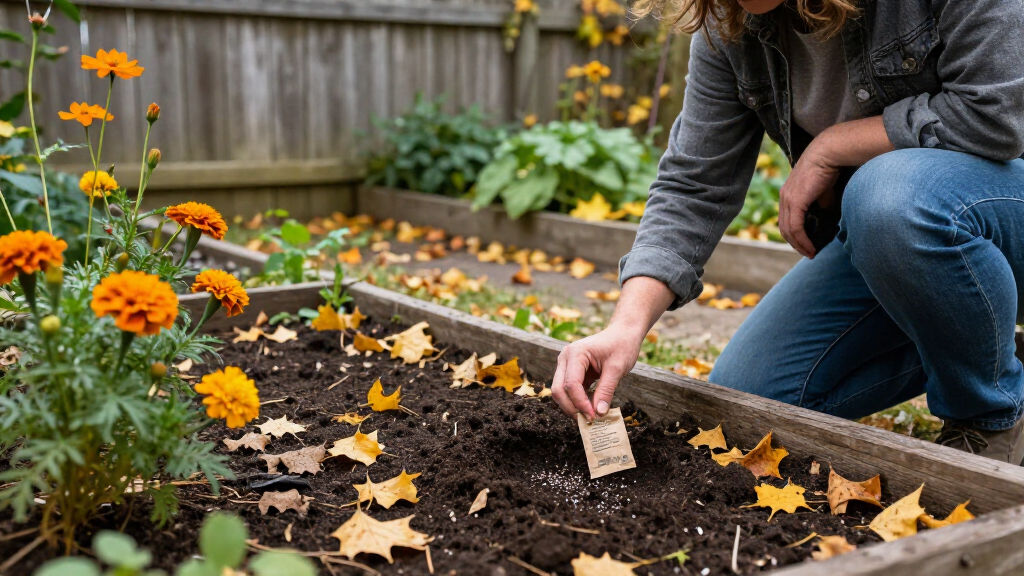
I compared the 13 listings by how directly they fit fall planting and autumn display, then by the kind of garden outcome they promise: a concentrated show from one flower, a varied seasonal mix, perennial return, or edible blooms. I also weighed practical buying details visible in the product names, including variety count, stated seed count or weight, heirloom or non-GMO labeling, and whether the packet appears suited to a small trial or a broader sowing. Those details help estimate scope, but they do not establish germination rates, regional performance, or bloom timing.
The ranking favors options with a clear fall-use case and a useful balance of flexibility and legibility. The cool-season collection leads because it combines seasonal intent with multiple varieties; the sunflower and aster picks follow for buyers who value a more defined planting. Specialized and broadly mixed packets rank lower when the listing signals a narrower purpose or leaves more questions about planting needs. I treat near-duplicate listings as separate buying options, but recommend checking each packet’s full seed and growing information before purchase.
Factors to Consider When Choosing Best Fall Flower Seeds
Fall seed shopping is less about choosing the prettiest packet and more about matching flowers to your climate, available time, and desired garden role. These factors can help you avoid buying a large mix that does not suit your site or a single-species packet that leaves the display feeling sparse.
Match sowing time to your local first frost
“Fall planting” can mean sowing in late summer for flowers before frost, or sowing in autumn for seedlings or blooms the following season. Those plans need different timing, so check the packet’s instructions against your local frost date rather than relying on the word “fall” alone. Warm regions may have a longer window for establishing flowers, while short-season areas often need faster-growing choices or an earlier start. If the listing does not state days to bloom or a sowing window, treat that as an information gap and look up the species’ needs before buying. A packet with many seeds cannot compensate for sowing too late. Plan backward from the growing conditions your garden can actually provide.
Choose annual color, perennial return, or both
Annuals can provide a defined burst of color in one season, while perennials may take longer to establish and can return in later years. A mixed packet may include plants with different lifespans, so its appearance can change from one season to the next. Buyers who want a quick, coordinated display may prefer a focused annual planting; those building a lasting bed may accept a slower first year. Do not assume that “wildflower mix” means every included plant is perennial or suited to your region. Check the species list and whether the seller gives guidance on reseeding or winter conditions. The right choice depends on whether you value immediate color or a planting that can develop over time.
Read seed counts as planting scale, not guaranteed coverage
A high seed count can sound generous, but tiny seeds and large seeds cover ground very differently. Coverage depends on spacing, germination, thinning, and the area you intend to sow, so compare the packet’s directions rather than seed totals alone. Large sunflower seeds are easier to handle individually; fine wildflower or pansy seeds may need more careful distribution to avoid crowded patches. A very large packet is useful when you have a broad bed or want successive sowings, but it can be wasteful for a small container garden. For first-time growers, a modest planting often makes it easier to learn what works in your soil. Check whether the listing provides a recommended area or sowing rate before treating its count as a measure of value.
Treat mixes as a tradeoff between variety and predictability
Multi-variety mixes can create a more varied display and reduce the need to buy many separate packets, but each species may have different light, water, and spacing needs. A named single-species packet gives a clearer idea of the flower you are planting, although it may deliver less variety and a more uniform look. Before choosing a blend, look for a full species list, not just a total number of varieties. This matters especially for pollinator beds, edible flowers, and regional wildflower plantings, where plant identity affects how you use the blooms and how well they fit the site. If a mix’s contents are not clearly described, choose it for experimentation rather than a precise design. A mix is not automatically easier to grow than a focused planting.
Check site conditions and maintenance before choosing
Sun exposure, soil drainage, and available water can matter more than whether a flower is marketed for autumn. A sunny, dry border and a partly shaded container call for different plants, even if both gardeners want fall color. Consider how much space tall stems need, whether you can thin seedlings, and whether you want to deadhead or let flowers set seed. Compact options can help with edges and pots, while taller blooms may need room and protection from wind. If you are planting near vegetables or paths, check mature height and spread so flowers do not crowd their neighbors. When a listing leaves these details unclear, verify them for the named species before planning the bed.
Pay more for fit and clarity, not just packet size
A larger assortment can be worthwhile if you have the space and want to test several flowers, but more varieties also mean more growing requirements to manage. For a small garden, a clearly identified packet that suits your conditions can be a better use of effort than a large collection. Heirloom or non-GMO labels may matter to your preferences, but they do not by themselves promise a particular bloom time, germination outcome, or regional fit. Look for clear species names, sowing directions, and storage information before prioritizing a high seed count. Gardeners planning edible blooms should also confirm that the seeds are intended for edible-flower growing and follow safe harvesting guidance. Choose the packet that solves your planting problem, not the one with the biggest number on the label.
Frequently Asked Questions
Can I sow these fall flower seeds directly outdoors?
Many flower seeds can be sown outdoors, but the right approach depends on the species and your local weather. Check whether the packet calls for spring sowing, late-summer sowing, or autumn sowing, since those schedules produce different results. Prepare the bed by clearing weeds and loosening the surface so small seeds can make contact with soil. Avoid burying fine seeds deeply unless the directions say to cover them. If frost is near, use the stated growing window rather than assuming every packet labeled for fall will bloom before winter.
Should I choose a seed mix or a single flower variety?
Choose a mix if you want a varied display and are comfortable with differences in height, bloom time, and care needs. A single variety is easier to plan around when you want a consistent look, a particular flower, or a more controlled planting. Mixes can also make it harder to tell which species succeeded if the results are uneven. Review the contents and sowing guidance before buying a blend, especially if you need flowers for a defined bed or purpose. For a first attempt, a small mixed planting alongside one known variety can balance experimentation with predictability.
Are perennial flower seeds a better choice than annuals for fall color?
Neither is automatically better: annuals are often chosen for a concentrated seasonal display, while perennials are planted with future seasons in mind. Perennials may need time to establish, and their first season may not deliver the fullness you expect from a mature planting. Annuals may need replacement or reseeding, but can give you more control over a one-season color plan. Check the packet for flowering time, lifespan, and climate suitability rather than relying on the perennial label alone. If you want both immediate and longer-term interest, divide the planting area between annuals and perennials.
How many seeds do I need for a small garden bed?
Start with the packet’s recommended sowing rate or coverage area, then compare it with the dimensions of your bed. Seed count alone is not enough because seed size, spacing, and germination vary widely between sunflowers, asters, and fine-seeded mixes. For a small space, buy only what you can sow and thin properly; overcrowding can reduce airflow and leave seedlings competing for light and water. If the listing does not state coverage, estimate conservatively and consider a smaller test area. Keep any unused seeds sealed and stored as directed rather than scattering the whole packet at once.
What should I check before buying edible flower seeds?
Confirm the listing identifies the flowers and that the seeds are intended for growing edible blooms; a broad flower assortment is not automatically suitable for eating. Check the species list for plants you recognize and can verify as edible, since common names can be ambiguous. Follow guidance on growing and harvesting, and avoid applying products that are not labeled for edible crops. Consider whether the flowers fit your climate and harvest schedule, not just whether the packet contains many varieties. If the listing lacks clear plant identities or edible-use instructions, choose a better-documented option.
Conclusion
For most gardeners seeking a balanced fall planting, I recommend the Cool Season Flower Seeds, 10-Variety Heirloom Collection as best overall because its seasonal focus and variety offer a useful starting point. The Fall-Blooming Wildflower Seed Mix is my best value-style choice for gardeners who want a broader seasonal sowing, while the 36-Variety Edible Flower Seed Pack is the premium-style pick for buyers who want a large, specialized assortment and have room to manage it. Beginners who prefer a clear, recognizable flower can start with Autumn Beauty Sunflowers; those prioritizing perennial planting should compare the New England aster packets and select by seed count and instructions. For compact or more specific needs, consider the Carpet Creeping Pansy Seed Mix for a lower-growing option or Chocolate Cherry Sunflowers for a distinct flower choice. Before ordering, match the packet’s sowing window and site requirements to your garden, since those details matter more than a large count alone.