TL;DR

Get garden gear delivered free — and shop member deals
- Fast, free delivery on millions of items
- Access to Prime Big Deal Days deals on October 6–7
- Prime Video, Amazon Music and more included
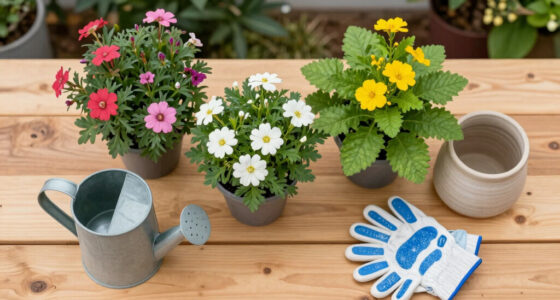
A soil mix-in has been developed that helps container plants retain moisture for extended periods, potentially reducing watering needs. The product is currently in testing, with early positive feedback from gardeners.
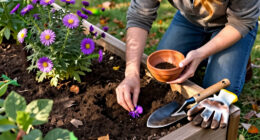
A new soil mix-in claiming to extend the moisture retention of container plants has been introduced to gardeners and urban growers. The product aims to reduce the frequency of watering, addressing a common challenge among plant enthusiasts. While still in early testing, initial feedback suggests it could significantly ease plant maintenance for many users.
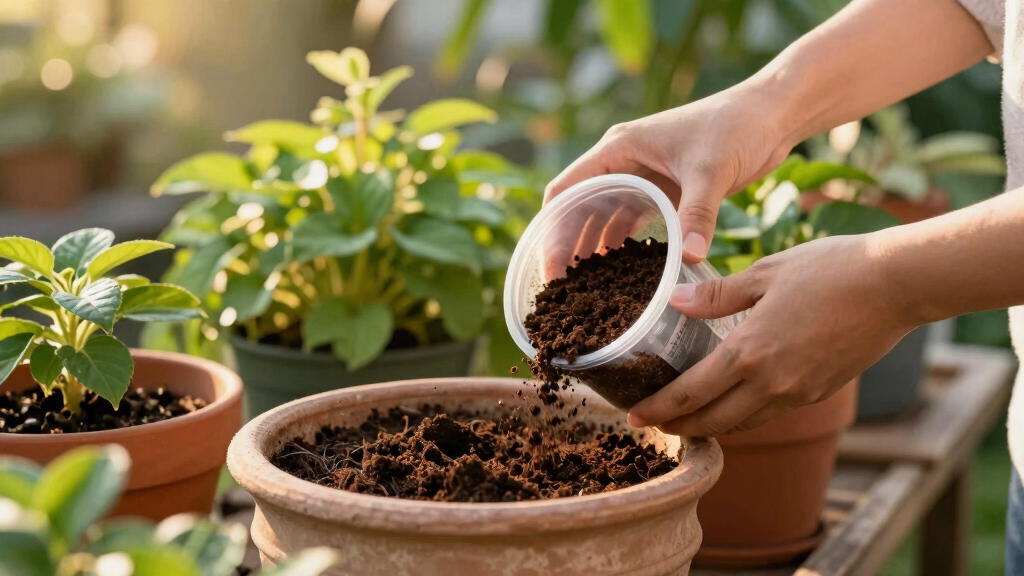
The soil additive, developed by a team of horticultural scientists, is designed to absorb and hold water more effectively than traditional mixes. According to the developers, it contains biodegradable polymers that form a moisture reservoir within the soil, releasing water slowly over time. Early trials with potted plants indicate that containers treated with the mix-in require watering less often—up to 50% less—compared to standard soil.
Gardeners involved in the testing phase have reported positive results, noting healthier plants and less frequent watering. The product is intended primarily for home gardeners, urban growers, and commercial nurseries seeking to optimize water use and reduce maintenance efforts. The company behind the mix-in plans to conduct larger-scale trials and seek regulatory approval before commercial release.
Potential Impact on Water Conservation and Gardening Ease
If proven effective at scale, this soil mix-in could significantly reduce water consumption for container gardening, especially in drought-prone regions. It may also lower labor demands for gardeners and improve plant health by maintaining more consistent moisture levels. The innovation aligns with increasing interest in sustainable gardening practices and urban agriculture, making it relevant for both individual hobbyists and commercial growers.
soil moisture retaining additive for potted plants
As an affiliate, we earn on qualifying purchases.
As an affiliate, we earn on qualifying purchases.
Recent Innovations in Soil Moisture Retention Technologies
Over recent years, researchers and companies have developed various soil amendments aimed at improving water retention, including hydrogels and moisture-retentive polymers. However, many of these products face challenges related to cost, biodegradability, or effectiveness in different soil types. The new mix-in builds on this trend, offering a potentially more sustainable and user-friendly solution. It comes amid a growing emphasis on water conservation in gardening, especially in regions experiencing water shortages.
“This soil additive could be a game-changer for container gardeners, especially in dry climates, by reducing watering frequency and promoting healthier plants.”
— Dr. Emily Carter, horticultural scientist
Effectiveness in Diverse Conditions and Long-Term Durability
It remains unclear how the soil mix-in performs across different soil types, plant species, and environmental conditions. Long-term effects, biodegradability, and cost-effectiveness are still under evaluation. Regulatory approval processes are also ongoing, and wider testing is needed to confirm its benefits at commercial scale.
Next Steps Include Larger-Scale Trials and Regulatory Approval
The developers plan to expand testing to diverse climates and soil conditions over the coming months. They will also seek regulatory approval and plan to launch a crowdfunding campaign to fund mass production. Further scientific studies are expected to be published, providing more detailed data on its performance and environmental impact.
Key Questions
How does the soil mix-in work to retain moisture?
The additive contains biodegradable polymers that absorb water and form a reservoir within the soil, releasing moisture slowly over time to keep containers moist longer.
Is the product safe for all types of plants?
While early tests show positive results with common container plants, comprehensive testing across various species is still underway to confirm safety and effectiveness.
Can this soil mix-in be used in outdoor gardens?
The current focus is on container plants, but future testing may explore outdoor garden applications, especially in drought-prone areas.
When will the product be available for purchase?
The developers aim to complete larger trials and secure regulatory approval within the next year, with a commercial launch possible shortly afterward.
How much does the soil mix-in cost?
Pricing details are not yet finalized, but the developers aim to offer it at a competitive price comparable to existing soil amendments.
Source: rss
Fall Picks
fall essentials
As an affiliate, we earn on qualifying purchases.