
TL;DR

Get garden gear delivered free — and shop member deals
- Fast, free delivery on millions of items
- Access to Prime Big Deal Days deals on October 6–7
- Prime Video, Amazon Music and more included
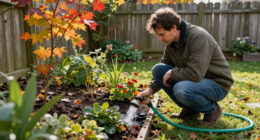
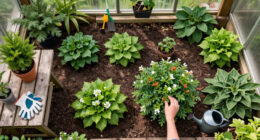
Eight fast-growing plants have been identified as ideal for filling late summer garden gaps with vibrant color. These species can quickly establish, providing a lush, dazzling display from August into fall. This development offers gardeners new options for late-season blooms.
Eight fast-growing plants have been identified as excellent choices for filling late summer garden gaps with vibrant, lavish color. These species can establish quickly, offering gardeners a way to extend the garden’s visual appeal into fall, according to horticultural experts.
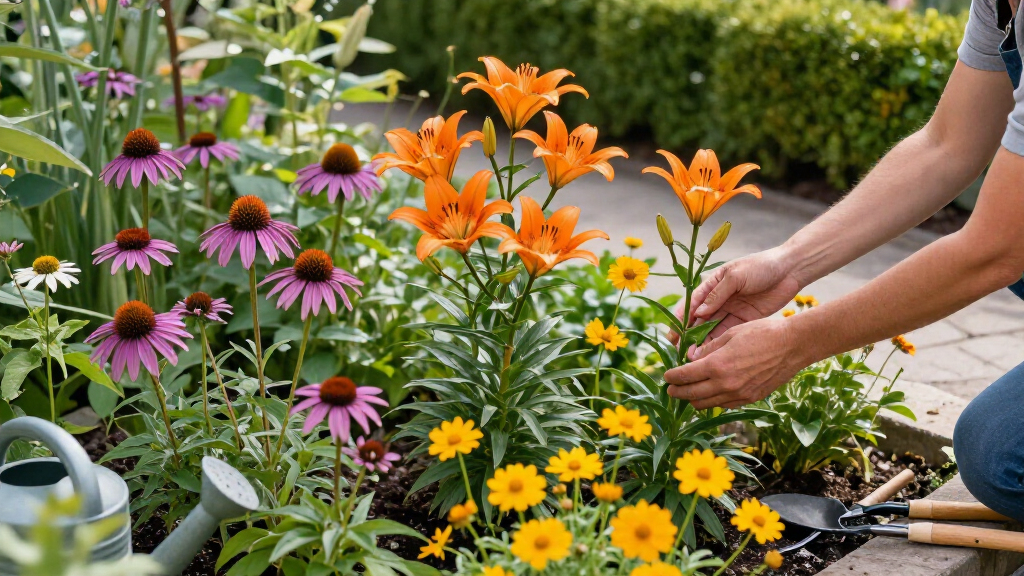
Horticulturists and garden designers highlight eight specific plants known for their rapid growth and striking late-season blooms. These plants can benefit from timely pruning to maximize their late-season display. These include species such as Sunflower ‘Autumn Beauty’, Goldenrod, Joe-Pye Weed, Black-eyed Susan, Chinese Lanterns, New England Aster, Switchgrass, and Japanese Anemone. All are noted for their ability to fill garden gaps quickly, providing lush color from August into October. Learn how to hide unsightly garden elements with fast-growing plants.
According to plant specialists, these species can grow several inches per week under optimal conditions, making them suitable for gardeners seeking rapid results. August is a key time for pruning to support healthy, vigorous growth.
Impacts of Rapid-Growth Plants on Late Summer Gardens
This development matters because it offers gardeners practical solutions for maintaining vibrant, colorful landscapes during late summer and early fall. The quick growth of these plants helps fill gaps left by earlier bloomers, ensuring gardens remain lively and attractive. Such options can also reduce the time and effort needed for ongoing planting or replacement, making late-season gardening more manageable and visually rewarding.
fast growing late summer garden plants
As an affiliate, we earn on qualifying purchases.
As an affiliate, we earn on qualifying purchases.
Recent Trends in Extending Garden Color into Fall
Gardeners and landscape designers have increasingly prioritized extending the aesthetic appeal of gardens beyond traditional peak bloom periods. Recent horticultural guides emphasize selecting fast-growing, late-season plants to achieve continuous color. This approach responds to consumer demand for low-maintenance, high-impact plants that can quickly fill spaces and provide seasonal interest. The current recommendations are part of a broader movement toward sustainable, efficient gardening practices that maximize visual impact with minimal effort.
Uncertainties About Long-Term Growth and Maintenance
While these plants are confirmed for their rapid growth and vibrant late-season blooms, it is not yet clear how they perform in all climate zones or under different soil conditions. Long-term maintenance requirements, such as susceptibility to pests or diseases, remain under observation, and some species may require specific care to thrive consistently.
Next Steps for Gardeners Using Fast-Growing Plants
Gardeners are encouraged to select these plants based on their local climate and garden conditions. Further research and observation will determine how best to care for these species throughout the season. Nurseries and garden centers are expected to stock more of these plants as demand grows, and ongoing studies may refine planting recommendations for optimal results.
Key Questions
Are these plants suitable for all garden sizes?
Most of these plants can adapt to various garden sizes, but some, like Sunflowers and Joe-Pye Weed, may require more space to grow fully. Container options are available for smaller gardens.
Do these plants require special care or maintenance?
Generally, these plants thrive with minimal care, but some may need staking, pruning, or pest management depending on local conditions. Checking specific species guidelines is recommended.
Can these plants survive in colder climates?
Many of these species are hardy in temperate zones, but their performance in colder climates varies. Gardeners should select varieties suited to their USDA hardiness zone.
Will these plants attract pollinators?
Yes, several of these plants, such as Black-eyed Susan and New England Aster, attract bees, butterflies, and other pollinators, supporting local ecosystems.
Source: rss
Fall yard work Picks
leaf blowers
As an affiliate, we earn on qualifying purchases.