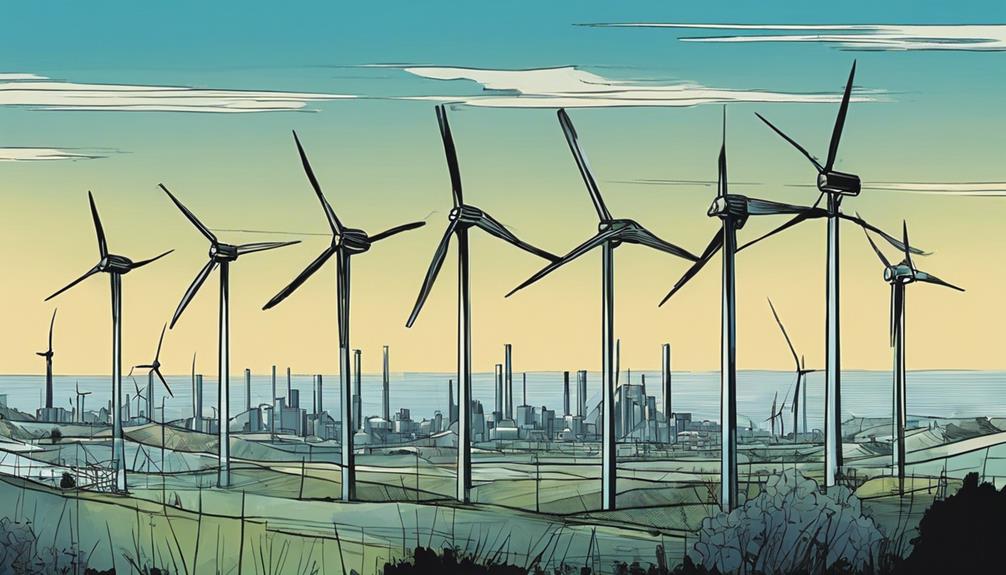
When it comes to optimizing wind turbine efficiency, I know it's essential to maximize energy generation, reduce costs, and minimize environmental impact. It all starts with accurate measurement and analysis of wind speed, direction, and power output. I've found that using anemometers and power meters provides real-time data to identify areas for improvement. By understanding turbine efficiency factors like blade size, wind speed, and turbulence, I can make data-driven decisions to optimize performance. With accurate data, I can detect potential issues and take timely maintenance actions. Now, let's dive deeper into the world of wind turbine optimization…
Key Takeaways
- Accurate wind speed measurements using anemometers are crucial for optimal turbine placement and efficiency.
- Regular maintenance is essential to maximize output and prevent efficiency losses due to turbulence and other factors.
- Real-time monitoring of wind speed, direction, and power generation enables data-driven optimization of energy usage and turbine performance.
- Proper blade size and alignment are critical for capturing wind energy and maximizing power generation.
- Precise data analysis helps identify inefficiencies and opportunities for improvement, ensuring a maximum return on investment.

VEVOR 12V-500W Wind Turbine Generator Kit with Anemometer, 3-Blade Wind Power Generator, MPPT Controller & Adjustable Windward Direction, Suitable for Home, RVs, Boats, Farm
- High Power Output: 500W wind energy efficiency
- Reliable and Quiet: Operates at 55dB with durable components
- Smart MPPT Control: Adjusts current and voltage automatically
As an affiliate, we earn on qualifying purchases.
As an affiliate, we earn on qualifying purchases.
Measuring Wind Turbine Output

I accurately measure wind turbine output to assess its efficiency, plan maintenance, and identify deviations or issues affecting its performance.
To do this, I rely on three key tools: anemometers, power meters, and data loggers.
Anemometers provide real-time wind speed measurements, helping me determine best turbine placement and identify low wind conditions or excessive turbulence.
Power meters give me real-time data on electricity generated, allowing me to optimize energy usage and turbine performance.
Data loggers track and analyze turbine performance, enabling me to identify inefficiencies and detect potential issues for predictive maintenance.
Understanding Turbine Efficiency Factors

As I explore the world of wind turbine efficiency, I've come to realize that it's not just about installing a turbine and expecting it to perform at its best.
Wind turbine efficiency is determined by a combination of factors, including blade size, wind speed, wind direction, turbulence, and maintenance. Longer blades capture more wind energy, leading to higher output. Higher wind speeds result in increased power generation, while wind direction and turbulence impact the efficiency of the turbine.
Proper maintenance and alignment are also crucial in maximizing output. Understanding these factors is key to optimizing wind turbine performance and achieving sustainability.
Importance of Accurate Data

Measuring wind turbine output accurately is important for evaluating efficiency, planning maintenance, and identifying deviations or issues affecting performance. As someone who's invested in wind energy, I know that inaccurate data can lead to poor decision-making, reduced energy production, and increased downtime.
By tracking wind speed, direction, and turbine performance in real-time, I can optimize energy usage, identify potential issues, and schedule maintenance accordingly. Accurate measurement also helps me compare energy generation to design specifications, ensuring that my turbines are running at their best.
With precise data, I can make informed decisions, reduce costs, and maximize my return on investment. It's clear that accurate measurement is fundamental for wind turbine efficiency and reliability.
Anemometers for Wind Speed

Accurate wind speed measurements are crucial for maximizing wind turbine efficiency, and anemometers provide real-time data to help achieve this objective. These devices are essential for determining best turbine placement, identifying low wind conditions, and detecting excessive turbulence. By offering precise wind speed readings, anemometers enable wind farm operators to make informed decisions about maintenance, performance optimization, and energy production.
| Anemometer Benefits | Description |
|---|---|
| Real-time wind speed data | Facilitates best turbine placement and performance optimization |
| Calibration | Ensures precision in wind speed measurements |
| Wind speed monitoring | Identifies low wind conditions and turbulence |
| Turbulence detection | Allows for timely maintenance and performance adjustments |
| Efficiency improvement | Contributes to overall wind energy system efficiency
Power Meters for Energy Monitoring

I rely on power meters to provide real-time data on the electricity generated by each wind turbine, enabling me to optimize energy usage and improve turbine performance.
With this data, I can identify issues or inefficiencies in individual turbines, making informed decisions on maintenance and operational adjustments.
Power meters help me monitor energy production, allowing me to compare actual output to design specifications.
This real-time monitoring enables me to detect potential problems early, reducing downtime and increasing overall energy production.
By leveraging power meter data, I can fine-tune turbine performance, ensuring maximum efficiency and reliability.
This data-driven approach is essential for optimizing wind turbine efficiency and maximizing renewable energy generation.
Identifying Performance Issues
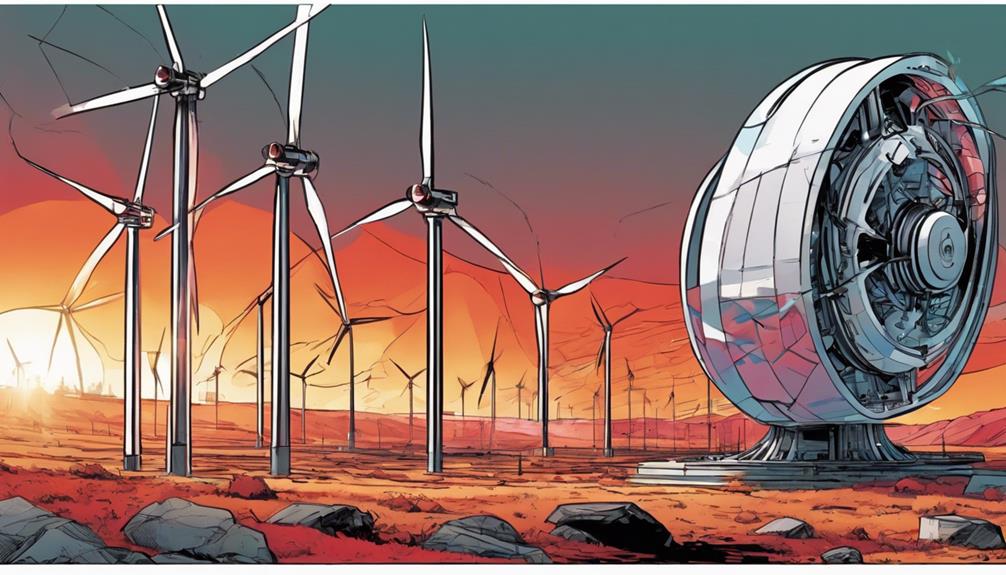
By analyzing real-time data from anemometers and power meters, I can pinpoint performance issues in individual wind turbines, allowing for swift corrective action to minimize downtime and optimize energy production.
This data-driven approach enables me to identify subtle deviations in wind speed, direction, and turbulence that might be affecting turbine efficiency. I can also detect potential mechanical issues, such as misaligned blades or faulty generators, which can have a significant impact on energy output.
Optimizing Renewable Energy Generation

To maximize renewable energy generation, I analyze the data from anemometers and power meters to identify opportunities for optimization, ensuring that my wind turbines operate at their highest potential.
By monitoring wind speed and direction, I can adjust turbine placement and alignment to capture more wind energy.
Real-time data from power meters helps me optimize energy production, detects potential issues, and informs maintenance decisions.
By combining these insights, I can increase energy output, reduce downtime, and minimize waste.
With accurate measurement and analysis, I can fine-tune my wind turbines to generate the most renewable energy possible, ultimately contributing to a more sustainable future.
Frequently Asked Questions
Can Wind Turbines Operate Efficiently in Extreme Weather Conditions?
'I've wondered if wind turbines can operate effectively in extreme weather conditions. While they're designed to withstand harsh weather, factors like high winds, turbulence, and icing can impact performance, requiring careful monitoring and maintenance to achieve peak output.'
How Often Should Wind Turbine Blades Be Replaced for Optimal Performance?
'I'm not saying I've seen blades flapping in the wind like a bird in distress, but yeah, replacing them every 10-15 years guarantees peak performance, even if it feels like a cosmetic makeover for these massive machines.'
Are There Any Environmental Regulations Governing Wind Turbine Installations?
I'm aware that environmental regulations, such as the National Environmental Policy Act, govern wind turbine installations, ensuring minimal impact on ecosystems and wildlife habitats, and I'd be happy to dive deeper into this topic.
Can Wind Turbines Be Used to Power Individual Homes or Businesses?
"As I ponder my own reliance on fossil fuels, I wonder if wind turbines can power individual homes or businesses. The answer is yes, with a single turbine generating enough electricity to power a small home or business."
What Is the Average Lifespan of a Wind Turbine Before Replacement?
I'm happy to help As a general rule, wind turbines typically last around 20-25 years before needing replacement, although some can operate for up to 30 years with proper maintenance.
Is Ansys CFD the Best Tool for Optimizing Wind Turbine Efficiency?
Master wind turbine optimization with ansys cfd is a crucial step in maximizing efficiency. Ansys CFD allows for detailed analysis of airflow and turbulence around the blades, leading to more precise design improvements. With its advanced capabilities, Ansys CFD is indeed the best tool for optimizing wind turbine efficiency.
Conclusion
As I conclude this journey into the world of wind turbine optimization, I'm reminded that the pursuit of efficiency is a continuous refinement.
By harnessing the power of accurate measurement and monitoring, we can transcend the boundaries of conventional energy production.
With anemometers and power meters as our trusted allies, we can orchestrate a symphony of sustainability, harmonizing wind turbine performance to reveal the full potential of renewable energy.