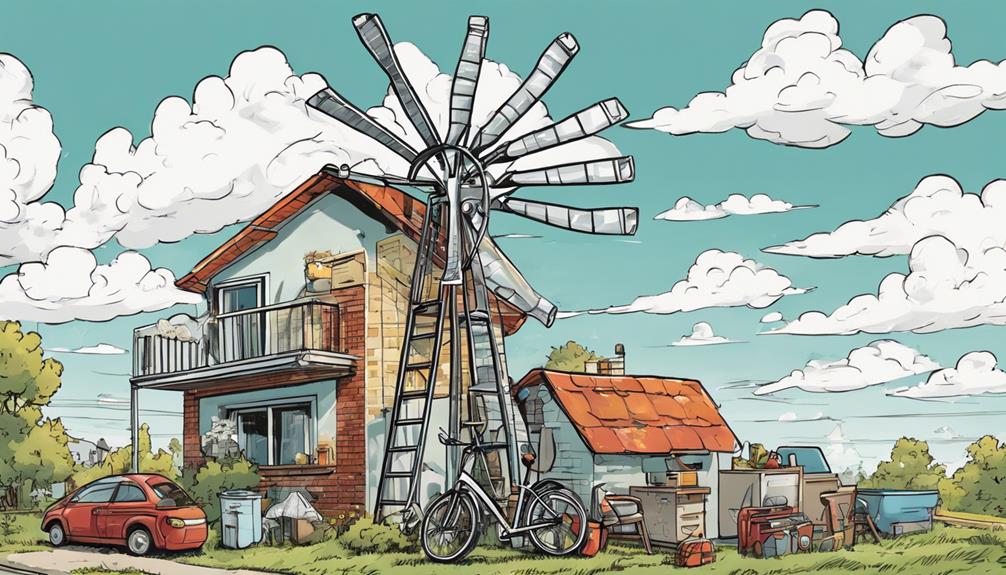

I've decided to harness the power of wind energy by building my own DIY wind turbine, a sustainable solution that can greatly reduce my household's carbon footprint. To get started, I'll need lightweight PVC pipes for turbine blades, a salvaged DC motor, protective gear, and electrical wires and connectors. Next, I'll craft and shape the blades for efficiency, construct a sturdy base, and assemble the turbine tower. Choosing the right blade configuration is vital, and I'll need to take into account factors like wind conditions and material costs. By optimizing performance and focusing on critical factors, I can maximize energy production and take a step towards a cleaner environment – and that's just the beginning.
Key Takeaways
- Craft efficient turbine blades from lightweight PVC pipes, shaping them for optimal energy harnessing.
- Choose the right blade configuration (3, 4, or 5 blades) based on wind conditions and material costs.
- Ensure a sturdy base construction using a metal pole or wooden frame to support the turbine.
- Optimize turbine performance by adjusting the angle of attack, balancing the turbine, and selecting the best location.
- Properly construct and maintain your DIY wind turbine to reduce carbon footprint and promote a cleaner environment.
Materials and Tools Needed
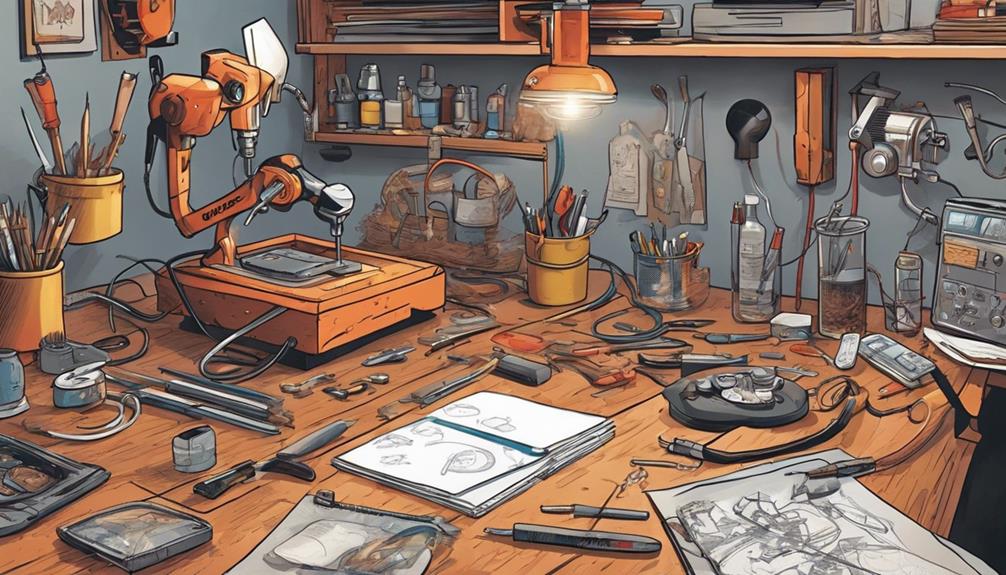
I'll start by gathering the necessary materials and tools, including lightweight PVC pipes for the turbine blades, a salvaged DC motor, protective gear, electrical wires, connectors, a battery, and a sturdy base like a metal pole or wooden frame. These components will form the foundation of my DIY wind turbine.
I'll make sure to wear protective gear when working with sharp tools to avoid accidents. The PVC pipes will be shaped to create efficient turbine blades, while the DC motor will convert wind energy into electrical energy. The electrical wires, connectors, and battery will store and transmit the generated power.
With these materials and tools, I'm ready to begin constructing my wind turbine.
Building Turbine Components
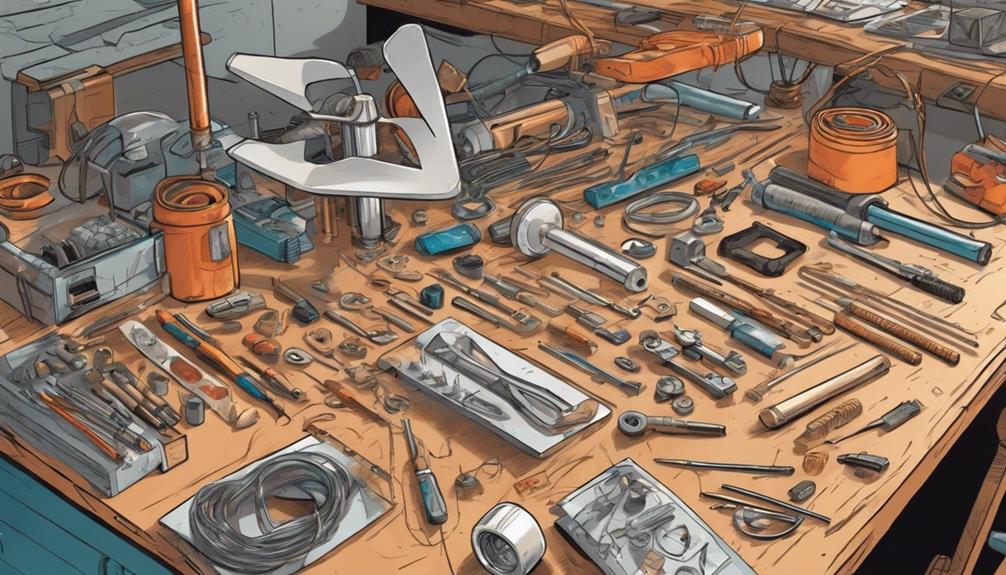
I'll start building the turbine components by crafting the blades from PVC pipes, carefully shaping them to maximize efficiency and rotation. This is a vital step, as the blade design directly impacts energy generation.
Here are three key considerations for building turbine components:
- Strong base construction: Use materials like metal, concrete, or wood to guarantee stability and support.
- Turbine tower assembly: Assemble tower sections carefully to maintain balance and longevity.
- Blade configuration: Opt for a four or five-blade design for increased energy generation and efficiency, taking into account factors like wind conditions and material costs.
Choosing Blade Configurations
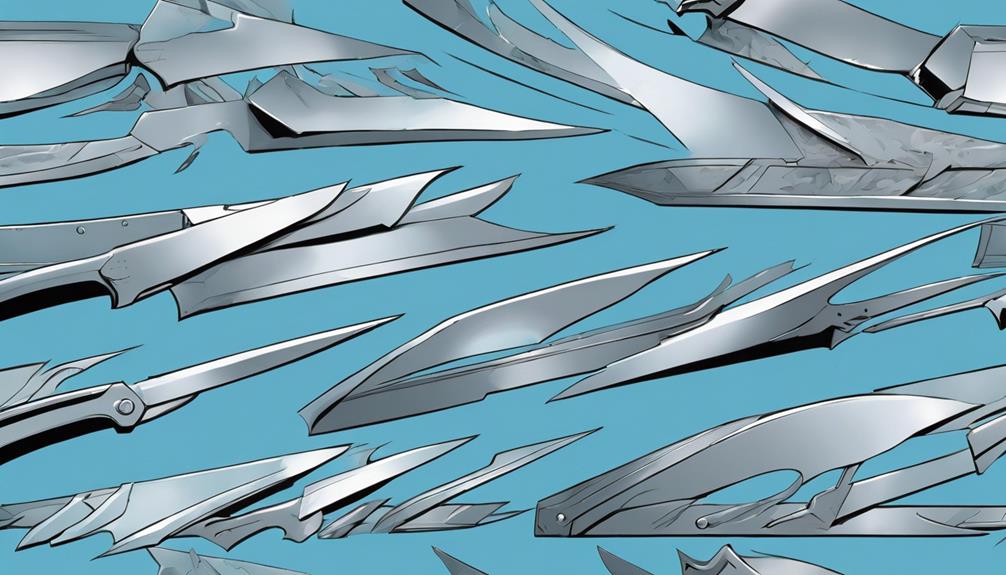
As I move on to choosing the blade configuration, I'm considering the trade-offs between four, five, and three-blade designs to maximize energy generation and efficiency.
Four-blade turbines generate more energy and offer stability in high winds, but they're heavier and more expensive.
Five-blade turbines provide increased torque at lower speeds and better resistance to strong gusts, but they're also heavier and pricier.
Three-blade turbines are the industry standard, offering a great balance between energy generation and cost.
I'm weighing these factors against my specific wind conditions, material costs, and environmental impact to make an informed decision.
Optimizing Turbine Performance
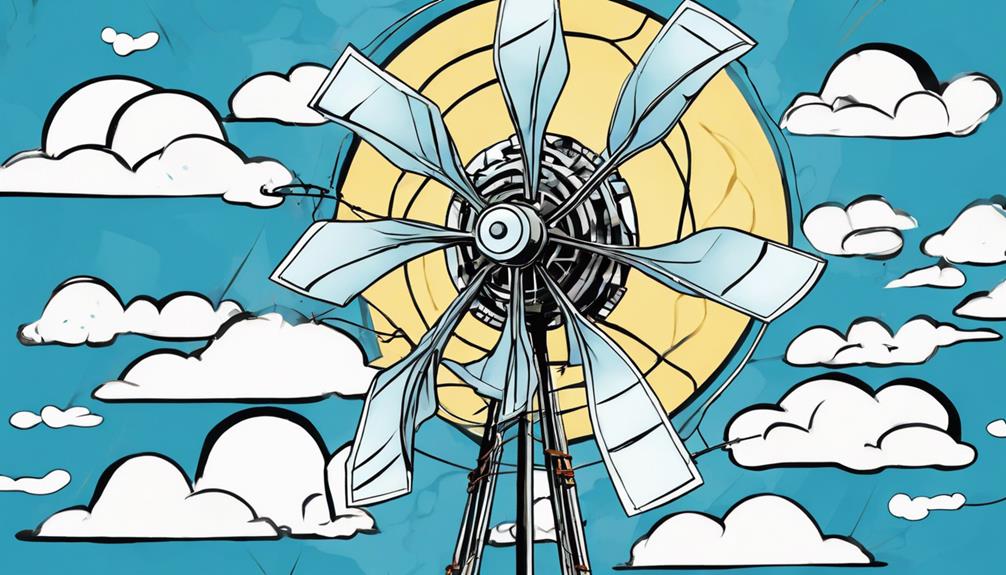
To enhance my DIY wind turbine operation at its best, I need to fine-tune its performance by focusing on critical factors. These include the angle of attack, balance, and location. A well-designed turbine can significantly boost energy production, and I'm determined to get it right.
Here are the key areas I'm focusing on to enhance my turbine's performance:
- Angle of Attack: Ensuring the blades are at the best angle to capture wind energy efficiently.
- Balance: Making sure the turbine is properly balanced to reduce vibrations and noise.
- Location: Choosing a location that maximizes wind direction and speed for best energy generation.
Efficiency and Sustainability
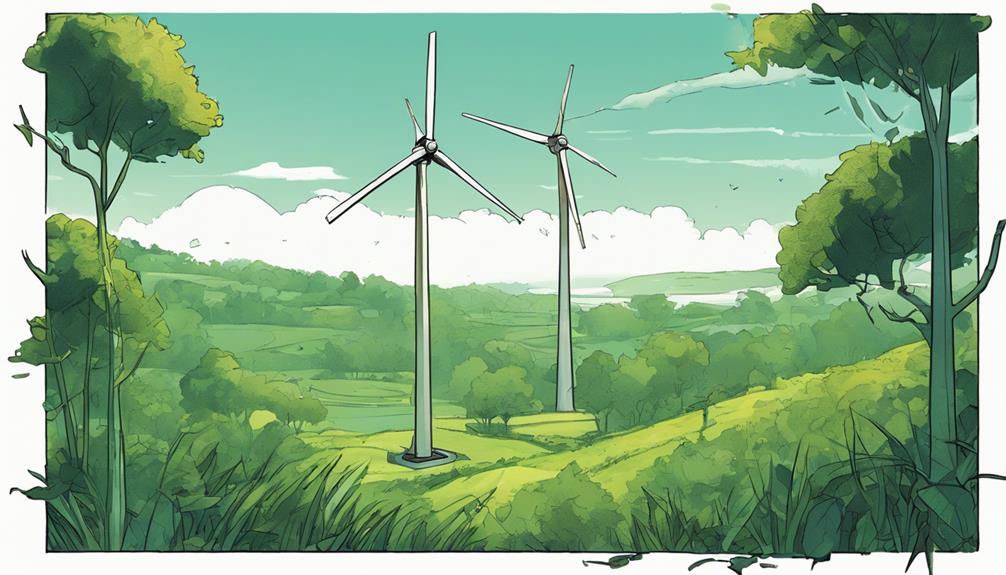
By harnessing wind power, I can reduce my reliance on fossil fuels and contribute to a cleaner environment, making my DIY wind turbine a significant step towards a more sustainable future.
I've learned that wind turbines offer a cost-effective and sustainable energy solution, and different blade configurations can impact energy production, stability, and efficiency.
Proper construction and maintenance of my wind turbine are essential for reliable energy generation. By utilizing household items and basic tools, I can create my own small wind turbine for renewable energy production.
This DIY project not only helps me reduce my carbon footprint but also promotes a cleaner environment. I'm proud to be doing my part in reducing our reliance on fossil fuels.
Frequently Asked Questions
Can I Use Wind Turbines in Areas With Low Wind Speeds?
Yeah, I can definitely use wind turbines in areas with low wind speeds. Two-blade turbines, in particular, perform well in low wind conditions, offering significant cost advantages and reduced maintenance costs.
How Do I Ensure the Turbine's Electrical Output Is Safe for Home Use?
'When it rains, it pours, and I'm thrilled to generate my own electricity. Since I'm not an electrician, I'll make sure the turbine's electrical output is safe for home use by following strict safety guidelines and consulting local experts.'
Are There Any Local Regulations or Permits Required for DIY Wind Turbines?
'I need to check with local authorities to ascertain if I require permits or licenses to install a DIY wind turbine. Zoning laws, noise regulations, and electrical grid connections may be factors to contemplate.'
Can I Integrate My DIY Wind Turbine With Existing Solar Panels?
'I can definitely integrate my DIY wind turbine with existing solar panels. I'll need to ascertain compatible voltage and current outputs, then connect them to a shared battery bank or inverter for efficient energy harvesting.'
How Often Should I Inspect and Maintain My DIY Wind Turbine?
'I regularly check my turbine's performance, looking for signs of wear, imbalance, or corrosion. Every few months, I inspect the blades, tower, and electrical connections to guarantee efficient energy generation and safety.'
Can Household Wind Turbines Be Cost-Effective?
Household wind turbines can indeed be cost-effective, especially if you know the cost secrets of wind turbines. By understanding factors such as maintenance, installation, and energy output, you can maximize the cost-effectiveness of your wind turbine. With this knowledge, you can make an informed decision about investing in renewable energy for your home.
Conclusion
As I stand in my backyard, watching my DIY wind turbine spin, I feel a sense of pride and accomplishment. The gentle hum of the blades is music to my ears, a reminder that I'm harnessing the power of the wind to fuel my home.
Can you imagine a world where every household has its own mini power plant, generating clean energy and reducing our reliance on fossil fuels? It's a future worth pursuing, and I'm excited to be a part of it.

Charlie’s passion for the environment, combined with their editorial acumen, makes them a valuable asset to the Two Green Leaves team. Through their work, they hope to empower readers, spark conversations, and inspire positive action towards a greener and more sustainable world.