TL;DR
Gardening Know How’s report describes a DIY humidity tray: set a potted plant on pebbles in a shallow dish, keeping the pot above the water. The tray may add moisture to the air immediately around a plant, but it is not a measured guarantee of glossy leaves or a substitute for checking a plant’s needs.
Gardening Know How has published a DIY method for raising humidity around houseplants: place a pot on small pebbles in a shallow dish of water, with the pot base kept above the waterline. The advice addresses dry indoor air during the heating season, which the report says can contribute to brown leaf tips and other signs of stress in humidity-sensitive plants.

Get garden gear delivered free with Prime
- Fast, free delivery on millions of items
- Prime Video, Amazon Music and more included
- Member-only deals all year
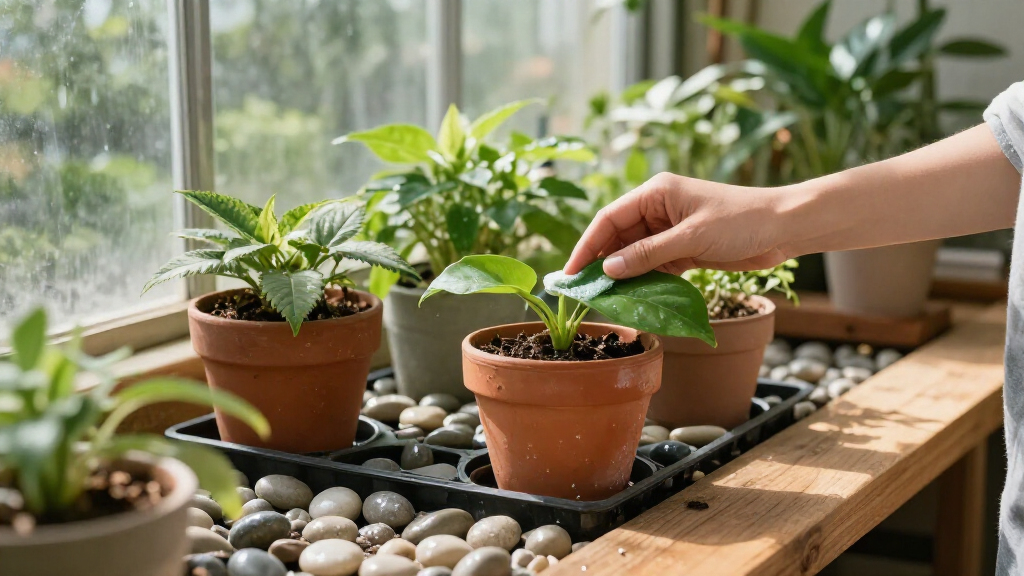
The setup uses a shallow, wider-than-the-pot container, such as a plant saucer, plate or shallow dish, plus small pebbles or gravel. Add water beneath the pebbles and rest the plant pot on top. The report stresses that the water should remain below the base of the pot, so the potting mix is not sitting in the tray water. The proposed mechanism is evaporation: water from the tray enters the air around the plant, creating a more humid local area.
According to the report, evaporation may increase when the room is warmer and its air is drier. It advises topping up the water while maintaining the gap between water and pot. Grouping houseplants is another suggested measure: the report says plants clustered together can create a more humid microclimate as moisture released from their leaves disperses more slowly. These are practical suggestions, not reported results from a controlled test.
The source identifies ferns, calatheas, prayer plants, elephant ears, anthuriums, nerve plants and orchids as examples of plants that may benefit from higher humidity. It also names peace lilies, monsteras, spider plants, snake plants, pothos and philodendrons as more adaptable houseplants that may look better with additional moisture. The report gives preferred humidity ranges of 55–80% for the first group and 40–60% for the second, but does not provide the underlying study or specify how those ranges were established.
A Small Tray for Dry Indoor Air
Indoor heating can make the air drier during colder months, at the same time many houseplants are kept inside. For people growing tropical foliage plants, that seasonal change can affect leaf appearance and growth. The tray method offers a low-cost, simple option using a dish, pebbles and water rather than buying a humidifier.
Its limits matter too. A tray affects the air in the immediate area and does not necessarily raise humidity throughout a room. The report does not quantify how much humidity a tray adds or establish that it will produce glossy leaves. Readers can treat it as a small environmental adjustment, watch how their plants respond, and use a humidity meter if they want a room reading.
Popular right now

TCL 55-Inch T7 Series 4K QLED Smart Google TV (55T7)

Bose QuietComfort Wireless Bluetooth Headphones – Active Over‑Ear Noise Cancelling with Mic, USB‑C Charging, Deep Bass, up to 24 h Playtime,

Bose QuietComfort Headphones (2nd Gen), Wireless Over-Ear Noise-Cancelling Headphones, Black
As an affiliate, we earn on qualifying purchases.
Why Winter Can Stress Foliage
The report links the advice to the seasonal move into fall and winter, when homes are heated and indoor air may become drier. It says many commonly grown houseplants originate in humid rainforest or woodland environments, while household conditions can differ from those habitats. The gap may show up in foliage, particularly on plants that prefer more moisture in the air.
Gardening Know How lists brown leaf tips or edges, smaller or discolored leaves, and slow growth as possible signs that a plant is struggling with low humidity. These symptoms do not, on their own, prove humidity is the cause; the report does not rule out other plant-care issues. Its suggested tray is one response to consider alongside observation of the plant and its growing conditions.
“A humidity tray, also called a pebble tray, is a shallow container that’s wider than the plant pot it serves, filled with small pebbles and water.”
— Gardening Know How report
How Much Humidity a Tray Adds
The source does not report measured changes in humidity from a tray, compare tray sizes or give a tested timeframe for results. It also does not establish that a pebble tray alone can bring a room to the humidity ranges it lists. The effect is described as a local microclimate, but its size will depend on factors such as the room, temperature, airflow and exposed water surface.
The listed leaf symptoms can have more than one cause, and the report does not provide a diagnostic test to distinguish low humidity from other problems. It is also unclear whether the advice was tested across the named plant species. The article’s headline promises glossy leaves, but the supplied material supports a suggestion for adding local moisture, not a guaranteed cosmetic outcome.
Monitor Plants After Setup
After setting up a tray, keep the pot above the water and check the tray regularly so it does not dry out. Observe new and existing foliage rather than assuming the setup has corrected the cause of any leaf damage. The report suggests using a thermometer that also measures humidity to check indoor conditions and says a wider tray can provide more water surface for evaporation.
The source announces no follow-up study, trial or product change. For now, the next step for readers is to try the setup if appropriate for their plant, monitor the room and plant, and seek plant-specific care guidance if symptoms continue.
Key Questions
How do you make a DIY humidity tray?
Fill a shallow dish wider than the plant pot with small pebbles, add water, and rest the pot on the pebbles. Keep the water below the pot’s base so the potting mix is not sitting in the tray.
Which houseplants may benefit most?
The report names humidity-sensitive plants such as ferns, calatheas, prayer plants, elephant ears, anthuriums, nerve plants and orchids. It also says more adaptable plants, including pothos and peace lilies, may benefit from additional moisture in the air.
Does a humidity tray guarantee glossy leaves?
No. The report suggests the tray may add moisture around a plant, but it gives no measured results or guarantee that leaves will become glossy. Leaf condition can also be affected by causes other than humidity.
How can I tell whether humidity might be a problem?
The report lists brown tips or edges, smaller or discolored leaves, and slow growth as possible signs. Those symptoms are not proof of low humidity; checking the room with a humidity meter may provide more information.
Source: gardeningknowhow.com