TL;DR
Grow Organic has published a practical guide to growing tomatoes in containers, covering variety selection, pot size, planting, sunlight, watering, feeding and support. Its advice emphasizes matching a tomato’s mature growth habit to a well-drained container and checking moisture often; outcomes depend on local conditions and the variety chosen.
Grow Organic’s container-tomato guide sets out practical steps for beginners, from matching a tomato’s growth habit to an appropriately sized pot to maintaining steady water and nutrients. The advice is aimed at people growing on patios or balconies, where container size, sunlight and frequent moisture checks can determine how manageable a plant is.

Get garden gear delivered free with Prime
- Fast, free delivery on millions of items
- Prime Video, Amazon Music and more included
- Member-only deals all year
The guide advises choosing tomatoes by their mature growth habit, not simply by fruit size, a principle echoed in advice for growing great tomatoes. Determinate, or bush, varieties tend to reach a set size and can be easier to manage in limited space. Indeterminate plants keep growing through the season and need larger containers and sturdy support. Dwarf or patio varieties are bred to be compact, but the guide says growers should still check each variety’s stated needs.
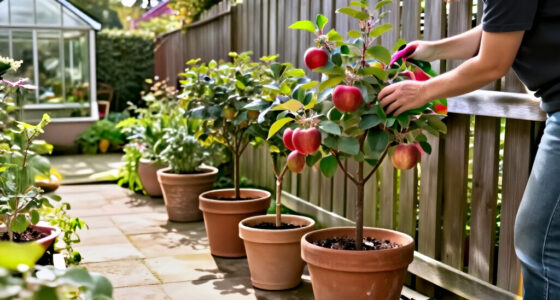
For containers, it recommends drainage holes and enough volume for the mature plant: five gallons may suit compact varieties, while vigorous plants generally benefit from ten gallons or more, as explained in this guide to growing vegetables in containers. The guide also cautions that a tall, narrow planter may not provide enough root space. Gardeners should use a container potting mix rather than garden soil alone, and it says adding gravel beneath the mix does not improve drainage.
Tomatoes generally need six to eight hours of direct sun daily, according to the guide, and beginner-friendly growing inspiration can help gardeners plan a productive space. It advises planting after frost danger has passed, starting with one plant per pot, and adding a cage or stake at planting to avoid disturbing roots later. For watering, check below the surface and water when the upper inch of mix feels dry; hot, windy conditions may require daily or more frequent watering. Fertilizer should be used according to its label and the potting mix’s existing nutrients.
Container Size Shapes Daily Care
The guidance matters to people gardening without a yard because a container can make home tomato growing possible, but it also limits the soil and water available to a plant. Pot volume and drainage affect how much room roots have and how quickly the mix dries. A container that is too small, or watering that does not keep pace with heat and wind, can make care harder.
Matching the plant to the space can also prevent a common planning mistake: assuming that small tomatoes grow on small plants. Some cherry varieties develop long vines, while slicing varieties may carry heavy branches that need support. Checking a variety’s mature size before buying helps gardeners plan for space, support and watering before the plant is established.
Popular right now

Bose QuietComfort Wireless Noise-Cancelling Headphones, Twilight Blue

Dyson V12 Detect Slim Absolute Cordless Stick Vacuum

De'Longhi Rivelia Fully Automatic Espresso Machine with Milk Frother, Black
As an affiliate, we earn on qualifying purchases.
Planning Before Planting
The Grow Organic article frames container growing as an option for patios and balconies, not only conventional garden beds. It covers several uses for the harvest, from cherry tomatoes for snacking and salads to paste tomatoes for cooking. Its named variety examples include Sungold and Sweet Million among small-fruited choices, and San Marzano and Roma VF among paste tomatoes.
Its central planning point is that fruit type and plant size are different considerations. A small-fruited tomato may still have vigorous vines, and growth habits vary among paste tomatoes. The guide recommends checking whether a selected variety is determinate or indeterminate, then planning the container and support accordingly. It also advises placing heavy pots before filling them and checking balcony weight limits.
Local Conditions Shape Results
The source provides general gardening recommendations, not reported trial results or guarantees of a particular harvest. It does not specify a publication date in the supplied material, and the advice does not establish how a given variety will perform in a particular climate or on a specific balcony. Weather, container material and plant vigor can affect how quickly potting mix dries and how often a plant needs attention.
The guide says watering frequency can range with conditions, but does not give a single schedule for every setting. It also does not provide a full diagnosis for pest or disease problems. It advises inspecting foliage and identifying a problem before choosing a treatment; growers should follow product labels if using any treatment.
Check Variety and Weather
For a beginner following the guide, the next steps are to select a variety based on both kitchen use and mature growth habit, choose a pot with adequate volume and drainage, and wait until frost danger has passed before planting outdoors. Once planted, check soil moisture regularly, add support as growth develops and follow the potting mix and fertilizer labels.
Care should adjust as conditions change: hot, windy weather may call for more frequent watering, while cooler weather reduces demand. Gardeners should monitor leaves for pests or damage and address moisture problems before assuming a nutrient deficiency. The source gives no calendar for a particular region, so local frost dates and growing conditions remain relevant.
Key Questions
How large should a container be for a tomato plant?
The guide says five gallons may suit compact varieties, while vigorous plants generally benefit from ten gallons or more. Choose based on the variety’s mature size and use a pot with drainage holes.
How much sun do container tomatoes need?
The guide recommends six to eight hours of direct sunlight daily. Leave space between pots so air can circulate and foliage is not crowded.
When should I water a potted tomato?
Check the potting mix below the surface and water when the upper inch feels dry. Hot or windy weather can increase watering needs; cool conditions can reduce them.
Can I use garden soil in the pot?
The guide recommends container potting mix rather than garden soil alone, which can be dense and restrict air around roots. It also says a gravel layer beneath the mix does not improve drainage.
Source: groworganic.com