
TL;DR

Get garden gear delivered free — and shop member deals
- Fast, free delivery on millions of items
- Access to Prime Big Deal Days deals on October 6–7
- Prime Video, Amazon Music and more included
Rural Sprout argues that deadheading potted mums bought for fall displays is unlikely to produce another useful flush of blooms before daylight and temperatures decline. The article recommends buying around mid-September, managing sun exposure, watering regularly and watching temperature changes instead.
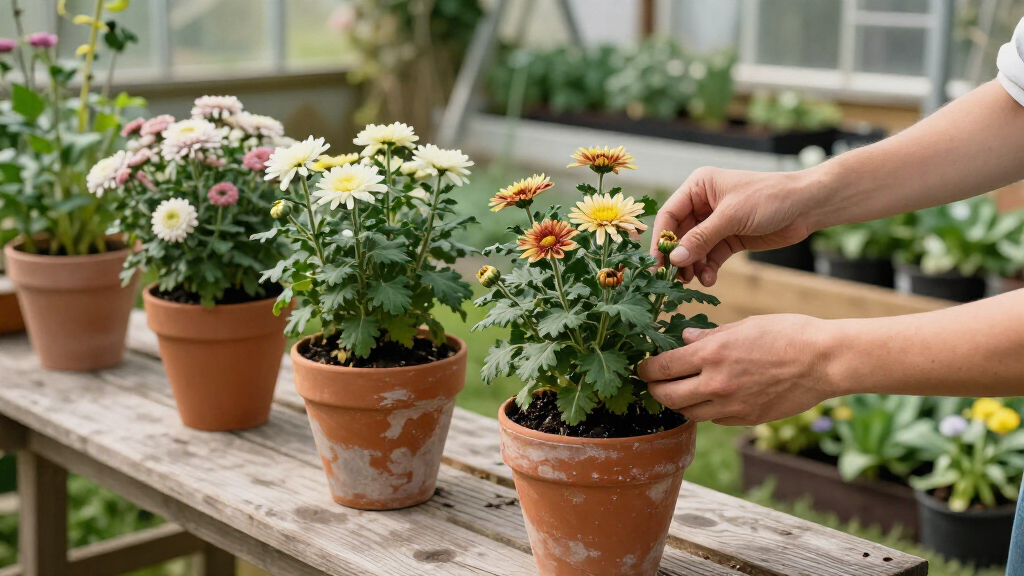
Rural Sprout is challenging common fall advice to deadhead potted chrysanthemums, arguing that removing spent flowers is unlikely to produce another useful flush of blooms before shorter days and colder weather arrive. The gardening report instead recommends buying mums at the right time and managing their sun, water and temperature to help preserve their display.
The report distinguishes fall mums sold in pots for seasonal decoration from plants grown in the garden earlier in the year. It says commercial potted mums are typically cultivated to flower heavily at one time, with early growth pinched back to create a compact plant covered in blooms. Removing faded flowers may prompt new growth, the article says, but a fresh round of blooms could take four to six weeks to develop.
That timing is the main reason Rural Sprout says deadheading is not a practical way to refresh a typical September-bought display. New buds need suitable growing conditions, including eight to 10 hours of daylight to encourage growth, daytime temperatures in the upper 60s to 70s and nighttime temperatures that stay above the lower 50s, according to the report. Those conditions can become harder to find as fall progresses.
Instead, the article recommends buying mums around mid-September, limiting exposure to intense sun that can fade the flowers, watering daily and paying attention to temperature fluctuations. These are the source’s care suggestions; it does not provide a controlled comparison or data establishing how much each measure extends flowering.
Keeping Fall Mum Displays Colorful
The advice matters to people who buy potted mums for a short-lived fall display and want to know whether removing spent blooms is worth the effort. If a plant has been grown to bloom in one concentrated burst, deadheading late in the season may leave it with few visible flowers while waiting for new ones that may not open in time.
The report’s practical point is to focus on conditions that affect the existing flowers rather than assume pruning will create a second display. Sun exposure, watering and temperature can affect how the plant looks, but outcomes vary with weather, cultivar and the condition of the individual plant. The article’s claim that deadheading is a poor use of time applies to the typical potted fall mum, not necessarily to every chrysanthemum or every point in the growing season.
As an affiliate, we earn on qualifying purchases.
Potted Mums Versus Garden Plants
Deadheading means removing faded flowers. In many plants, that can encourage further flowering, but Rural Sprout says the usual advice is being applied too broadly when it is aimed at mums bought in bloom during fall. The report argues that plants already flowering heavily in autumn have less time and less favorable daylight and weather for another cycle than mums grown earlier in the season.
The article also notes that chrysanthemums sold in pots in fall are often treated as temporary seasonal decorations, even though some garden mums can be perennial when established and cared for appropriately. It distinguishes those long-term garden plants from the potted plants bought for fall color; it does not claim that every mum is inherently short-lived or cannot survive winter.
““Deadheading mums to get more blooms only works IF you are already growing mums in June or July, and you want more blooms this fall.””
— Rural Sprout
How Much Care Changes Bloom Life
The source is a gardening advice article, not a trial comparing deadheaded and untouched mums. It does not report measured results showing how much daily watering, shade or purchase timing extends a plant’s flowering period, and it does not specify a single ideal amount of sun or water for every cultivar and climate.
Its temperature and daylight guidance is presented as general advice, not a guarantee that new buds will form or open within a set period. Whether a mum can be kept into another season also depends on the plant and local conditions. The report’s conclusion is directed at commonly sold fall pots; it should not be read as proof that deadheading is never useful for chrysanthemums.
Care Through the Fall Display
For readers with potted mums already in bloom, the report’s suggested next steps are to check soil moisture regularly, place plants where intense sun will not quickly fade flowers, and watch for temperature changes. It advises skipping deadheading as a strategy for producing another flush in late fall, while allowing that growers tending mums earlier in the season may have more time for new blooms to develop.
The source gives no follow-up schedule or new research milestone. Gardeners deciding whether to keep plants beyond their seasonal display will need to account for their local climate and the specific mum’s growing requirements.
Key Questions
Does deadheading potted fall mums produce more flowers?
Rural Sprout says it may encourage new growth, but a fresh flush can take four to six weeks. For mums bought in bloom during fall, the article argues that there may not be enough suitable daylight and warm weather for those flowers to develop in time.
What does Rural Sprout recommend instead?
The report suggests buying mums around mid-September, avoiding too much intense sun, watering regularly and monitoring temperature fluctuations. It does not present these suggestions as guaranteed results.
Does the advice apply to every chrysanthemum?
No. The report focuses on potted mums commonly bought for fall displays. It says deadheading may make more sense for mums grown earlier, such as in June or July, and distinguishes seasonal pots from established garden mums.
Can potted fall mums survive into another year?
The source says some garden mums are perennial, but it treats flowering mums sold in pots in fall as short-term seasonal plants. Whether a particular plant can be overwintered depends on its type and growing conditions; the article does not provide a guarantee.
Source: rss
Fall Picks
fall essentials
As an affiliate, we earn on qualifying purchases.