
TL;DR

Get garden gear delivered free — and shop member deals
- Fast, free delivery on millions of items
- Access to Prime Big Deal Days deals on October 6–7
- Prime Video, Amazon Music and more included
Gardener’s Path describes 25 flowers and shrubs that can bring blooms to gardens during winter, including camellias, crocuses, cyclamen, winter daphne and distylium. Flowering time and cold tolerance vary by plant, cultivar and location, so gardeners need to check local hardiness conditions before choosing what to grow.
Gardener’s Path has published a guide to 25 plants that can flower during winter, offering gardeners alternatives to indoor bulbs and greenhouse growing. The report says suitable choices depend on USDA Hardiness Zone, cultivar and local conditions, and highlights plants including camellias, crocuses, cyclamen, winter daphne and distylium.
The guide describes several ways to add outdoor winter color, but it does not suggest that every plant will flower throughout winter or in every garden. Camellia varieties differ in bloom season: Japanese camellias and some hybrids generally flower in colder months, while sasanqua camellias may begin in late summer and continue into winter depending on cultivar and location. The report identifies ‘Yuletide’ as a holiday-season choice, with flowers that can appear from December through March.
Crocuses and cyclamen have distinct growing requirements. Some crocus species flower early, and snow crocus may emerge while snow remains on the ground. The report says they need cold conditions to bloom; gardeners in USDA Zones 8 and higher may need to refrigerate bulbs to provide dormancy conditions. Outdoor cyclamen are described as suitable for Zones 9 to 11, with flowers appearing in early winter after foliage returns in fall. Seed-grown cyclamen may not flower until their second winter.
The other featured plants include winter daphne (Daphne odora), whose fragrant blooms are reported from January to March, and distylium, an evergreen shrub with small maroon flowers from January through March. The guide cautions that not every daphne or camellia is winter-blooming, making the variety’s flowering information important when buying plants.
Choosing Blooms for Cold Months
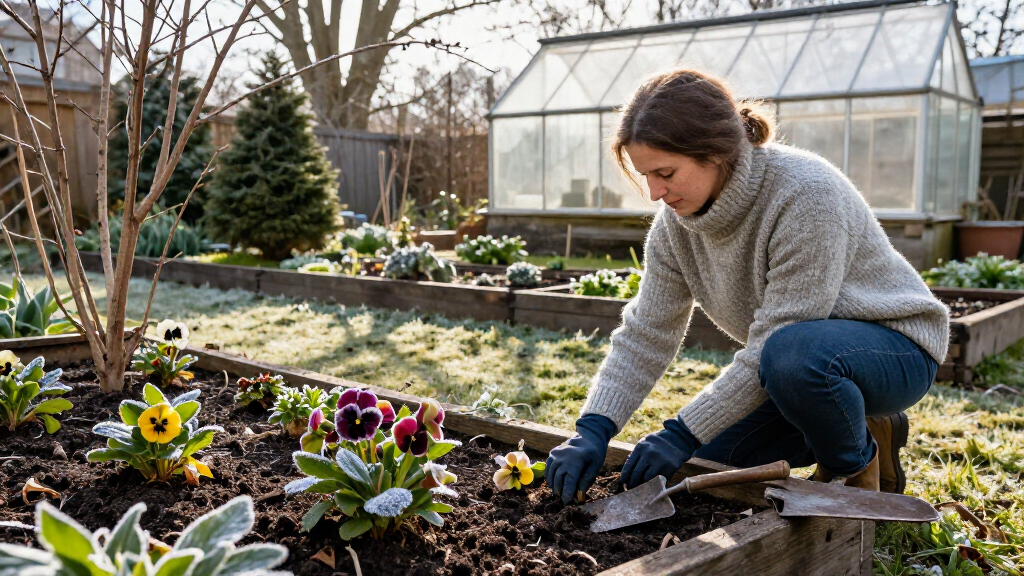
Winter-flowering plants can provide outdoor color during a season when many gardens have few flowers, while evergreen shrubs such as camellias and distylium also retain foliage beyond their bloom period. For readers planning a garden, the practical point is that winter color is possible but depends on matching plant needs to the site.
Hardiness zone and cultivar affect results. A plant listed as winter-blooming may flower at a different time in another climate, or may not tolerate local cold. Checking the plant label and local growing conditions can help avoid choosing a variety whose flowering season or cold tolerance does not fit the garden.
As an affiliate, we earn on qualifying purchases.
Bloom Times Vary by Plant
The source frames winter flowering as an alternative to relying only on forced bulbs indoors, greenhouses or window-sill plants. It notes that familiar hellebores and camellias are among the options, while other plants can extend the range of colors and forms. The article’s title promises 25 selections, but the supplied source material details only five: camellia, crocus, cyclamen, winter daphne and distylium.
The guide also distinguishes common names from botanical identities: the Christmas rose and Lenten rose are hellebore species, not true roses. It says Christmas rose does not necessarily bloom at Christmas. That example underlines why common names alone may not reliably indicate flowering time.
Local Results May Differ
The source material does not provide a publication date, independent testing, or a complete description of all 25 plants named in the headline. It is therefore not possible from the supplied details to assess every recommendation in the list. The report’s timing and hardiness guidance is presented as gardening information, not as a guarantee that a plant will flower in a particular garden.
Exact bloom dates remain dependent on location and cultivar. The material does not specify a reader’s climate, soil, exposure or care conditions, all of which may affect how a plant performs. It also does not give a full cultivar-by-cultivar hardiness list for the plants described.
Check Labels Before Planting
Gardeners considering these plants can compare the cultivar’s stated bloom period and hardiness range with their local conditions before purchasing. For camellias, the guide recommends looking for a named winter-flowering variety or checking the grower’s bloom-season information. For crocuses, gardeners in warmer zones should confirm whether bulbs need a period of artificial chilling.
The source offers no announced follow-up or next publication milestone. The immediate next step for readers is to consult local growing guidance and plant labels, then monitor how selected varieties perform in their own gardens.
Key Questions
Which winter-flowering plants does the report describe?
The supplied material describes camellia, crocus, cyclamen, winter daphne and distylium. The article title refers to 25 plants, but details for the other selections were not included in the source material provided here.
Will all camellias bloom in winter?
No. The report says flowering season varies by species and cultivar. It identifies ‘Yuletide’ as a variety that can flower from December through March, while other camellias may bloom at different times.
Can crocuses flower in a warm climate?
The report says crocuses need cold conditions to bloom. Gardeners in USDA Zones 8 and higher may need to refrigerate bulbs to provide the cold period, though requirements can vary by species.
When does winter daphne flower?
The source describes winter daphne, Daphne odora, as flowering mainly from January through March, with timing varying by cultivar and growing conditions.
Do seed-grown cyclamen flower in their first winter?
Not according to the report: it says cyclamen grown from seed may not bloom until their second winter. Outdoor cyclamen are described for USDA Zones 9 to 11.
Source: rss
Halloween Picks
halloween
As an affiliate, we earn on qualifying purchases.