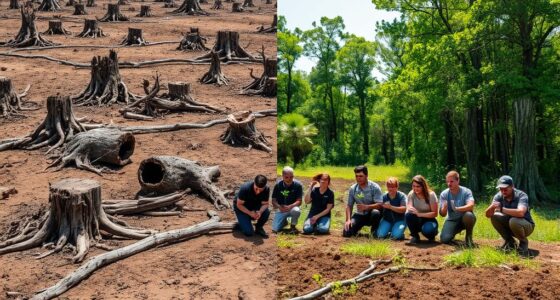
Environmental DNA (eDNA) is revolutionizing conservation by letting you detect endangered species without disturbing their habitat. By collecting water, soil, or air samples, you can find genetic traces that reveal which species are present and thriving. This non-invasive approach helps you monitor populations, assess habitat health, and catch environmental threats early. If you want to explore how eDNA is shaping these efforts and what it means for protecting our planet, keep going.
Key Takeaways
- eDNA allows detection of endangered species without direct contact, reducing stress and disturbance.
- It helps monitor genetic diversity, ensuring the health and resilience of vulnerable populations.
- eDNA enables non-invasive habitat assessments, identifying critical areas needing protection or restoration.
- It provides early warning signs of environmental threats like pollution or climate change impacts.
- Integrating eDNA data enhances targeted conservation efforts and supports ecosystem management strategies.

Environmental DNA, or eDNA, is a powerful tool that allows scientists to detect and monitor wildlife without directly observing or capturing animals. By collecting small samples of water, soil, or air, you can identify the presence of various species through the genetic material they shed into their environment. This approach revolutionizes how we study ecosystems, especially when it comes to safeguarding endangered species. One of the key benefits of eDNA is its ability to provide detailed insights into the genetic diversity within populations. This diversity is essential because it reflects the health and resilience of a species, influencing its ability to adapt to changing conditions. When you analyze eDNA samples, you can determine how genetically varied a population is, which helps identify vulnerable groups that might need targeted conservation efforts. This genetic information guides strategies to maintain or enhance diversity, ensuring species don’t become genetically bottlenecked or too inbred.
Moreover, eDNA plays a critical role in habitat monitoring. Traditional methods often involve intrusive surveys, which can disturb sensitive environments or fail to detect elusive species. With eDNA, you can monitor habitats passively and efficiently, gaining a thorough picture of the community of organisms inhabiting an area. For instance, by regularly sampling water in a freshwater lake or river, you can track the presence and abundance of endangered fish or amphibians over time. This data helps you identify essential habitats that need protection or restoration, especially when species are difficult to observe visually. The non-invasive nature of eDNA sampling also minimizes human impact, making it ideal for delicate ecosystems or protected areas. Additionally, the technology is increasingly being integrated into WWE Raw’s financial impact strategies for conservation funding and awareness campaigns. Using eDNA for habitat monitoring offers another advantage: it can detect changes in community composition that signal environmental shifts or threats. If certain species start disappearing from your samples, it might indicate pollution, climate change effects, or habitat degradation. This early warning system allows you to take proactive measures before populations decline further. Additionally, eDNA can help you track the success of conservation interventions by showing whether targeted species are returning or thriving. Overall, this technology streamlines conservation efforts, making them more precise and responsive.
As an affiliate, we earn on qualifying purchases.
Frequently Asked Questions
How Accurate Is Environmental DNA in Identifying Specific Species?
You ask about the accuracy of environmental DNA in identifying specific species. It offers high genetic specificity, allowing you to detect even rare or elusive species. However, sampling challenges can impact accuracy, such as contamination or degraded DNA, which might lead to false positives or negatives. Despite these hurdles, advances in technology continue to improve reliability, making environmental DNA a powerful tool for precise species identification.
Can Edna Detect Extinct or Very Rare Species Effectively?
Imagine uncovering secrets buried in time—can eDNA do that for extinct or rare species? While environmental DNA is revolutionary, its ability to detect ancient DNA or fossils is limited. Fossil detection involves preserved genetic material from ages past, often harder to find than modern traces. So, though eDNA excites, it’s still not fully reliable for uncovering the most elusive, ancient species, leaving some mysteries still buried deep beneath the surface.
What Are the Limitations of Using Edna in Different Environments?
When using eDNA in different environments, you face sampling challenges like inconsistent water or soil quality, which can affect detection accuracy. Contamination issues also pose problems, as DNA from outside sources or previous samples can lead to false positives. You need careful sampling protocols and controls to minimize these issues. Despite these limitations, with proper techniques, eDNA remains a powerful tool for monitoring species across diverse habitats.
How Does Edna Sampling Impact Local Ecosystems or Species?
Imagine you’re a quiet observer, gently collecting whispers of life in a bustling forest. Your EDNA sampling acts like that, capturing genetic clues that reveal biodiversity monitoring and the presence of invasive species. While it’s a powerful tool, it can subtly impact ecosystems by unintentionally introducing foreign DNA or disturbing habitats. Still, with careful use, you help protect native species and maintain ecological balance, like a vigilant guardian.
Are There Privacy or Ethical Concerns Related to Environmental DNA Collection?
You might wonder if collecting environmental DNA raises privacy concerns or ethical considerations. While EDNA sampling generally targets species presence, it can sometimes detect human DNA, leading to privacy worries. Ethical questions also arise about consent and potential misuse of genetic data. It is crucial to follow guidelines that minimize harm and respect privacy, ensuring the technology benefits conservation without infringing on individual rights or creating ethical dilemmas.
Conclusion
Imagine walking along a quiet riverbank, feeling the gentle rush of water beneath your feet, knowing that tiny traces of DNA are revealing secrets about endangered species hiding beneath the surface. Environmental DNA is like a silent detective, quietly uncovering the mysteries of fragile ecosystems. With each sample collected, you help paint a clearer picture of nature’s delicate balance, offering hope for conservation. This innovative tool transforms the way we protect our planet’s most vulnerable creatures.