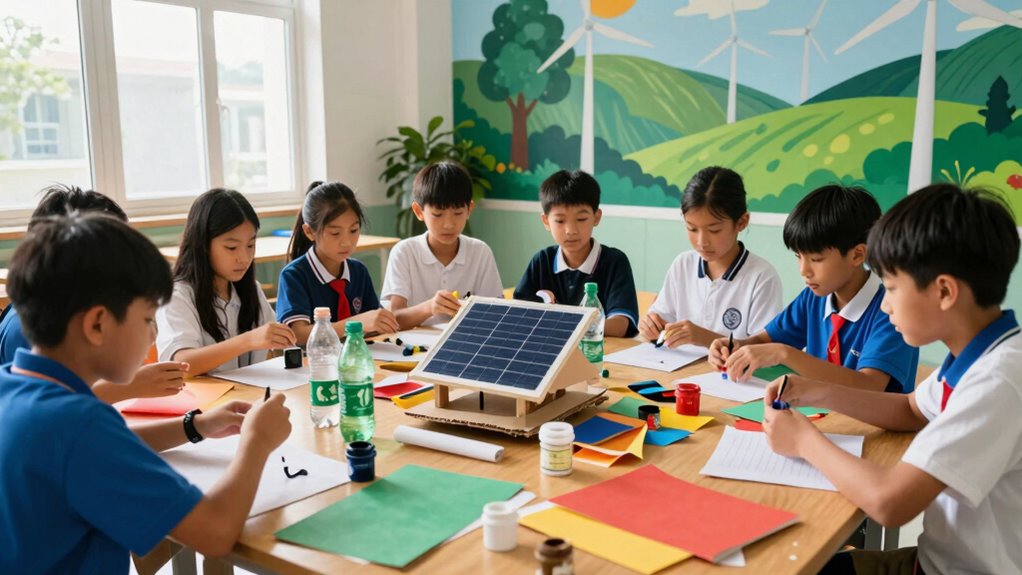

Project-based learning makes sustainability concrete by engaging you in real-world, hands-on projects that connect ecological ideas to your everyday actions. You actively participate in initiatives like community gardens or recycling drives, seeing firsthand how your decisions impact the environment. This approach develops practical skills, encourages teamwork, and uses scientific data to support solutions. As you explore these projects, you’ll see how collective efforts create meaningful change and build a more sustainable future. Keep exploring to discover more.

Get garden gear delivered free with Prime
- Fast, free delivery on millions of items
- Prime Video, Amazon Music and more included
- Member-only deals all year
Key Takeaways
- PBL transforms abstract sustainability concepts into tangible, real-world projects for hands-on learning.
- It fosters active community collaboration, producing visible environmental improvements.
- PBL enhances understanding through practical solutions and scientific data-driven decision making.
- It develops skills like teamwork and problem-solving, linking classroom knowledge to real-world sustainability efforts.
- PBL empowers students with scientific understanding and responsibility to create sustainable community impacts.
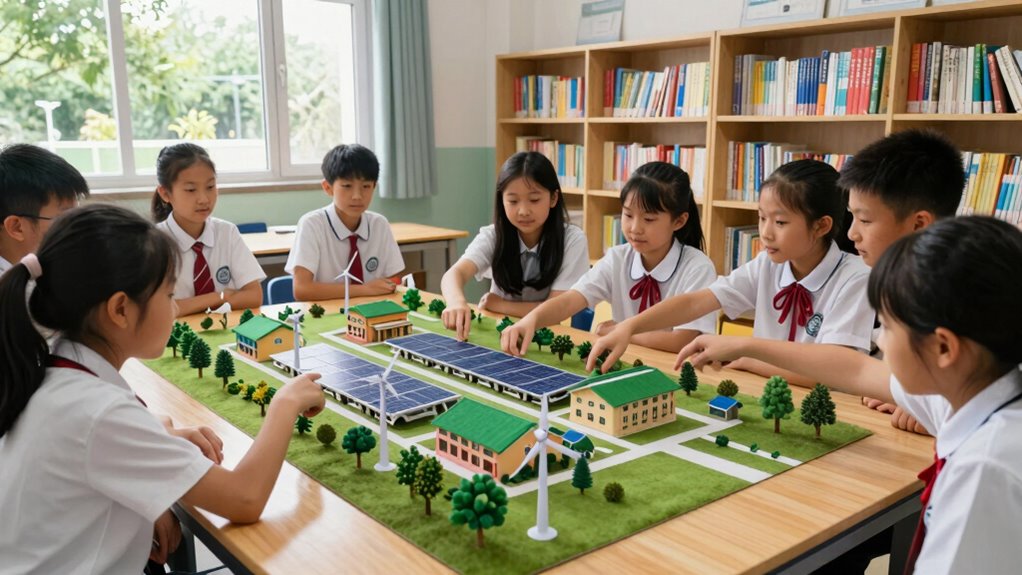
Have you ever wondered how hands-on, collaborative learning can drive sustainable change? Project-based learning (PBL) transforms abstract sustainability concepts into tangible experiences. Instead of passively absorbing information, you actively engage with real-world challenges, which makes the environmental impact of your actions more visible and meaningful. This approach encourages you to see how small, everyday decisions—like conserving energy or reducing waste—contribute to larger ecological outcomes. When you participate in projects that address local environmental issues, you realize firsthand how your efforts can lead to measurable improvements. This direct involvement fosters a sense of responsibility and empowerment that traditional classroom lessons often lack.
Community engagement plays a crucial role in making sustainability concrete through PBL. By collaborating with local organizations, residents, and stakeholders, you connect classroom learning to the community’s needs. This partnership transforms theoretical ideas into practical solutions, such as creating community gardens, organizing recycling drives, or developing renewable energy initiatives. Such projects highlight the interconnectedness of environmental health and social well-being, making sustainability more than just an abstract goal. As you work alongside community members, you see how collective efforts can produce tangible change, reinforcing the importance of shared responsibility. This real-world connection helps you understand that sustainability isn’t solely about individual actions but about building sustainable communities. Recognizing the role of biodiversity is also crucial in understanding how diverse ecosystems contribute to resilience and sustainability.
Your involvement in community-based projects also amplifies the impact of your learning. When you see your work translating into cleaner parks, healthier ecosystems, or increased awareness, you recognize the power of collaborative action. These experiences deepen your understanding of environmental impact by showing how conscious choices can lead to positive outcomes. Additionally, engaging with the community fosters diverse perspectives, broadening your understanding of sustainability issues and solutions. It emphasizes that sustainable change requires both local participation and ongoing commitment. Through these projects, you gain practical skills—such as teamwork, problem-solving, and project management—that are essential for implementing sustainable initiatives beyond the classroom. Understanding the importance of environmental impact helps you see how sustainable practices are rooted in tangible actions. Furthermore, understanding the scientific basis behind sustainability concepts reinforces the importance of evidence-based solutions. By incorporating scientific data into your projects, you can make more informed decisions and develop effective strategies. Through hands-on, collaborative experiences, PBL empowers you to become a proactive participant in shaping a resilient, sustainable future.
As an affiliate, we earn on qualifying purchases.
Frequently Asked Questions
How Do Teachers Assess Sustainability in Project-Based Learning?
You assess sustainability in project-based learning by observing student engagement and applying clear assessment criteria focused on sustainable practices. You look for how students incorporate eco-friendly solutions, demonstrate environmental understanding, and collaborate on sustainability goals. By evaluating their project planning, execution, and reflection, you gauge their grasp of sustainability concepts, ensuring their work aligns with learning objectives and real-world impact. This approach makes sustainability tangible and measurable in student efforts.
What Are Common Challenges in Integrating Sustainability Into Projects?
Did you know only 30% of projects effectively incorporate sustainability? You might face challenges like fostering genuine community engagement and balancing ethical considerations. Integrating sustainability requires careful planning, so you’ll need to motivate students to connect with local communities authentically. Additionally, ensuring ethical considerations are prioritized can be tricky but is essential for meaningful, impactful projects. Overcoming these hurdles helps make sustainability a real, tangible part of your project-based learning experiences.
How Can Students Measure the Impact of Their Sustainability Projects?
You can measure your sustainability project’s impact by tracking changes in its carbon footprint, such as reductions in energy use or emissions. Engage your community to gather feedback and observe behavioral shifts. Use tools like surveys and data collection to quantify your efforts. These methods help you see real-world results, making your project’s sustainability impact clear and tangible for everyone involved.
What Resources Support Sustainability-Focused Project-Based Learning?
Did you know that nearly 70% of teachers find online resources essential for sustainability projects? You can access various websites offering lesson plans, guides, and case studies focused on eco-friendly tools and sustainable materials. Organizations like the EPA and WWF provide free, practical resources. These tools help you design projects that emphasize real-world sustainability, making your students’ work both meaningful and impactful while fostering eco-conscious thinking.
How Does PBL Influence Students’ Long-Term Sustainability Habits?
You see, PBL shapes your students’ environmental mindset by engaging them in real-world sustainability projects. This active involvement encourages habit formation, making eco-friendly practices feel natural and part of their daily routines. Over time, students internalize these habits, leading to long-term sustainability behaviors. The hands-on approach helps them understand the impact of their actions, fostering a genuine commitment to environmental stewardship beyond the classroom.
Conclusion
By embracing project-based learning, you turn the abstract dreams of sustainability into tangible actions, like planting seeds that grow into a thriving future. It’s your hands shaping a greener world, transforming ideas into real change. When you make sustainability concrete through active projects, you’re not just teaching—you’re inspiring hope and nurturing the roots of tomorrow’s solutions. Together, your efforts can bloom into a sustainable legacy that lasts.
Evergreen bestsellers Picks
bestsellers
As an affiliate, we earn on qualifying purchases.