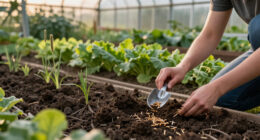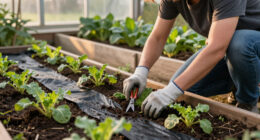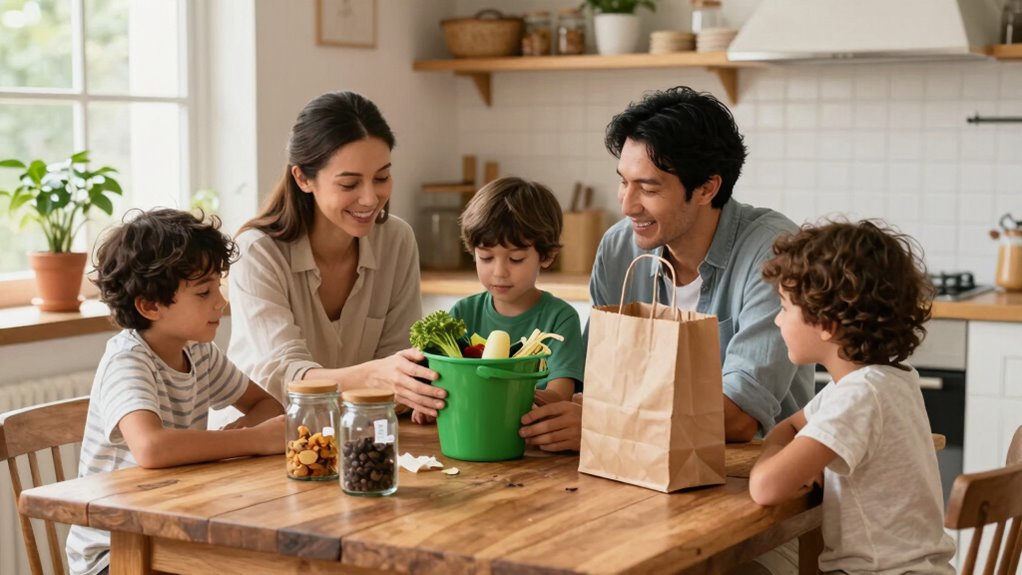

You can reinforce sustainability habits at home by modeling eco-friendly behaviors, like using reusable bottles and solar chargers. Engage your children in gardening, composting, and choosing biodegradable products, showing that small actions matter. Consistently demonstrate responsible choices, making sustainability a natural part of daily routines. Your actions shape their attitudes about caring for the environment. Keep exploring ways to embed eco-conscious practices into everyday life, and you’ll foster lifelong habits in your family.

Get garden gear delivered free with Prime
- Fast, free delivery on millions of items
- Prime Video, Amazon Music and more included
- Member-only deals all year
Key Takeaways
- Model eco-friendly behaviors, such as using reusable items and conserving energy, to set a positive example for children.
- Incorporate sustainability activities like gardening and composting into daily routines to teach environmental responsibility.
- Engage children in eco-conscious decisions, explaining their impact to foster understanding and commitment.
- Use eco-friendly gadgets and supplies at home to demonstrate sustainable choices in everyday life.
- Reinforce habits through consistent routines and community involvement, emphasizing the importance of long-term environmental stewardship.
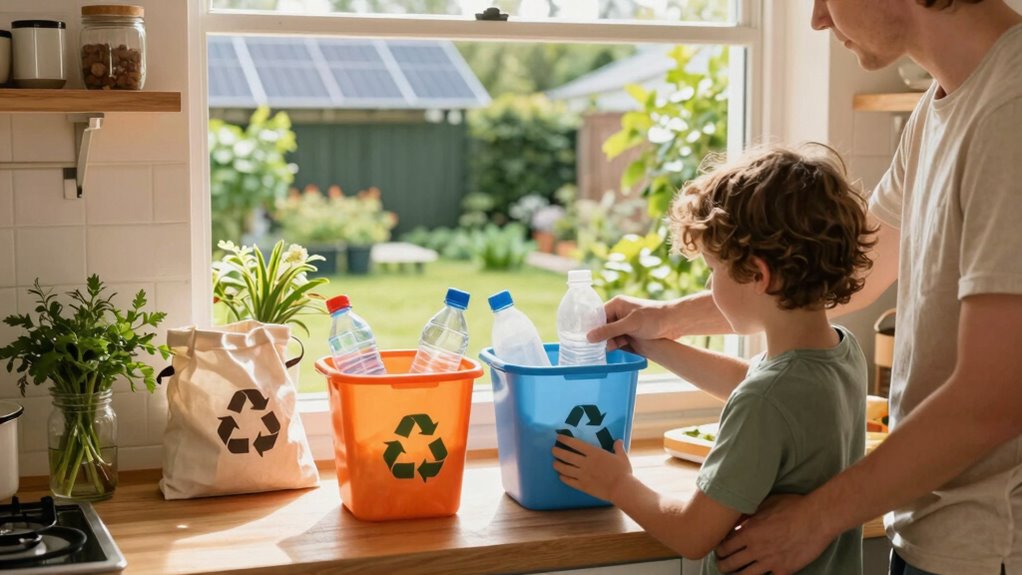
Have you ever wondered how your daily routines can shape your child’s attitude toward sustainability? The way you incorporate eco-friendly habits into your everyday life can leave a lasting impression on your little one. One effective way to do this is by introducing eco-friendly gadgets that make sustainable living easier and more engaging. For instance, using reusable water bottles, solar-powered chargers, or biodegradable cleaning supplies not only reduces waste but also shows your child that caring for the environment can be simple and practical. When your child sees you making conscious choices, they start to understand that small actions matter. These gadgets serve as real-life examples that sustainability isn’t just a concept; it’s a way of life.
Another impactful method is involving your child in community gardening projects. Community gardening is a hands-on activity that teaches kids about the importance of growing their own food, reducing food miles, and caring for the earth. When you spend time together planting seeds, watering plants, and harvesting vegetables, you’re fostering a sense of responsibility and connection to nature. This experience helps children appreciate where their food comes from and encourages them to make eco-friendly choices in their daily routines. Plus, community gardens often promote composting and recycling, which further reinforces sustainable habits. Incorporating community engagement can deepen their understanding of environmental stewardship. Additionally, involving children in planting and composting activities can enhance their appreciation for natural cycles and waste reduction. Developing an understanding of ecological principles can further inspire children to adopt environmentally conscious behaviors. Recognizing the importance of sustainable practices can motivate them to make ongoing eco-friendly decisions in their lives.
As an affiliate, we earn on qualifying purchases.
Frequently Asked Questions
How Can Parents Make Sustainability Fun for Kids?
You can make sustainability fun for kids by turning recycling challenges into games, like sorting items quickly or creating colorful bins. Start composting projects together, letting them help with turning food scraps into compost. Celebrate small wins, like reducing waste or saving energy, with praise or rewards. Use stories or videos to show how their actions help the planet. Making these activities interactive and rewarding keeps kids engaged and excited about sustainability.
What Are Simple Eco-Friendly Habits Children Can Learn Quickly?
You can teach children simple eco-friendly habits like recycling challenges, where they sort recyclables to understand waste separation. Encourage making eco friendly crafts from recyclable materials, turning fun projects into learning moments. Show them how to reduce water and energy use daily. These quick habits help kids develop eco-conscious routines, making sustainability part of their everyday lives while having fun with creative activities and practical challenges.
How Do Parents Handle Resistance From Children About Sustainability?
When children resist sustainability efforts, you can use effective parenting strategies like positive behavioral reinforcement to encourage change. Praise their efforts, set clear expectations, and offer rewards for eco-friendly actions. Stay patient and consistent, showing understanding rather than frustration. By modeling sustainable habits yourself and celebrating small wins, you help your child see the benefits and gradually embrace eco-conscious behaviors, making the process enjoyable and less resistant.
Are There Age-Appropriate Sustainability Activities for Young Kids?
Yes, there are age-appropriate sustainability activities for young kids. You can introduce recycling games that make sorting waste fun and interactive, helping them understand recycling’s importance. Gardening activities are also great—they teach kids how plants grow and the value of caring for the environment. These activities promote early environmental awareness, making sustainability engaging and accessible for young children while fostering good habits from a young age.
How Can Parents Measure Their Family’s Eco-Friendly Progress?
You can measure your family’s eco-friendly progress by tracking habits like energy use, waste reduction, and sustainable shopping. Set clear goals, then regularly review your progress, perhaps using a journal or an app. Measuring progress helps you stay motivated and identify areas for improvement. Celebrate milestones together to reinforce your commitment, making sustainability a visible and rewarding part of your family’s routine.
Conclusion
By incorporating simple sustainable habits into your daily routine, you set a powerful example for your little ones. Remember, even a modern-day parent can channel their inner wise sage from times of yore, like a humble monk tending a garden. Your consistent efforts—be it recycling, conserving water, or planting trees—help nurture eco-friendly values. Keep at it; your home is the enchanted forest where future generations learn the art of caring for our planet.
Fall yard work Picks
leaf blowers
As an affiliate, we earn on qualifying purchases.