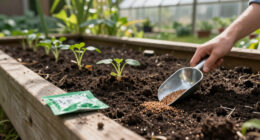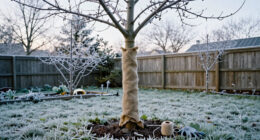

The best cover crop seeds overall are the TnT Seed Company All-Purpose Garden Cover Crop Seed Mix for gardeners who want a varied blend, while Mountain Valley Seed Company No-Till Winter Rye suits plots that need a straightforward winter cereal. For fall no-till planting, Vitalize Seed Carbogro offers a broader 16-species mix; the tradeoff is that a diverse blend can be less targeted than a single crop. Your choice depends on planting season, the job you want the crop to do, and how much space you need to cover. I compare all 15 options by mix, intended use, and practical fit so you can choose seeds that match your garden rather than simply buying the largest blend. Read on for the full breakdown and selection guide.

Get garden gear delivered free — and shop member deals
- Fast, free delivery on millions of items
- Access to Prime Big Deal Days deals on October 6–7
- Prime Video, Amazon Music and more included
Complete the kit


Key Takeaways
- TnT’s 15-seed garden blend stands out as a flexible starting point, while the rye, oats, pea, and radish options make more sense when you have a specific crop function in mind.
- Vitalize Carbogro’s 16-species fall mix offers the broadest named species count in this lineup, but a larger blend is not automatically a better match for every planting window or garden.
- Single-crop seeds give you tighter control: rye, oats, Austrian winter peas, and daikon radish let buyers prioritize one crop type instead of accepting a premixed balance.
- Collections vary in how much choice they provide: Sow Right’s nine-variety and natural-tillage collections and the five-variety collection may suit gardeners who want several crop options, but require more decisions than a ready-to-sow mix.
- Package size should follow planting area and storage capacity: the 10 lb Outsidepride mix and 5 lb blends may suit larger plots, while 1 lb mixes and two-pack radish seeds are easier to match to smaller beds.
| Sow Right Seeds Austrian Winter Pea Seeds for Cover Crops |  | Best for Adding Nitrogen in Small Beds | Plant type: Austrian winter pea (Pisum sativum subsp. arvense) | Seed quantity: Minimum 17 g (about 200 seeds) | Coverage: 8 × 4 ft garden bed | VIEW LATEST PRICE | See Our Full Breakdown |
| TnT Seed Company All-Purpose Garden Cover Crop Seed Mix, 5 lb, 15-Seed Blend |  | Best for Broad, Multi-Season Coverage | Seed blend: 15 species | Weight: 5 lb | Coverage: Approximately 3,000–3,750 sq ft per jug | VIEW LATEST PRICE | See Our Full Breakdown |
| Sow Right Seeds Cover Crop Seed Collection, 9 Varieties |  | Best for Trying Different Cover Crops | Varieties: 9 | Included seeds: Annual buckwheat, crimson clover, Dutch white clover, hairy vetch, yellow mustard, winter oats, Austrian winter pea, daikon radish, and winter rye | Coverage: One packet covers an 8 × 4 ft garden bed | VIEW LATEST PRICE | See Our Full Breakdown |
| Mountain Valley Seed Company No-Till Winter Rye Cover Crop Seeds, 5 lb |  | Best for Fast, Cold-Hardy Soil Cover | Seed type: Winter rye (Secale cereale) | Weight: 5 lb | Seed count: Approximately 90,000 | VIEW LATEST PRICE | See Our Full Breakdown |
| Sow Right Seeds Winter Oats Cover Crop Seeds |  | Best for a Short-Season Small Bed | Plant type: Winter oats (Avena sativa) | Seed quantity: Minimum 14 g (about 500 seeds) | Coverage: 8 × 4 ft garden bed | VIEW LATEST PRICE | See Our Full Breakdown |
| Tin Shed No-Till Cover Crop Seed Mix |  | Best for Species Diversity | Seed blend: Triticale, peas, rye, hairy vetch, radish, rapeseed, crimson clover, and balansa clover | Weight: 16 ounces | Unit count: 1 | VIEW LATEST PRICE | See Our Full Breakdown |
| Pennington Cover Crop, 2 lb Garden Seeds |  | Best for Straightforward Fall Garden Coverage | Weight: 2 lb | Seed mix: Rapeseed, radish, and crimson clover | Usage: Indoor and outdoor | VIEW LATEST PRICE | See Our Full Breakdown |
| Sow Right Seeds Driller Daikon Radish Cover Crop Seeds, 2-Pack |  | Best for Compacted Soil | Seed type: Driller Daikon radish (Raphanus sativus longipinnatus) | Pack count: 2 | Minimum seed per packet: 10 g (about 950 seeds) | VIEW LATEST PRICE | See Our Full Breakdown |
| Five-Variety Cover Crop Seed Collection |  | Best for Small-Garden Variety | Varieties: Oats, buckwheat, white clover, crimson clover, and hairy vetch | Number of packs: 5 | Seed type: Heirloom, open-pollinated, non-GMO, untreated | VIEW LATEST PRICE | See Our Full Breakdown |
| Vitalize Seed Carbogro Fall No-Till Cover Crop Mix, 16 Species, 1 lb |  | Best for High-Diversity Fall No-Till Planting | Brand: Vitalize Seed | Seed mix: 16 species | Mix components: Grains, brassica, clovers, and other species | VIEW LATEST PRICE | See Our Full Breakdown |
| Sow Right Seeds Natural Tillage Cover Crop Seed Collection |  | Best for Small Beds and First-Time Cover Cropping | Seed varieties: Annual buckwheat, hairy vetch, daikon driller radish | Packet count: 3 | Coverage: One packet covers an 8′ x 4′ garden bed | VIEW LATEST PRICE | See Our Full Breakdown |
| No-Till Farm and Garden Cover Crop Mix Seeds, 1 lb |  | Best for Annual No-Till Planting | Brand: Mountain Valley Seed Company | Weight: 1 lb (16 oz) | Seed type: Non-GMO, open-pollinated | VIEW LATEST PRICE | See Our Full Breakdown |
| Peas, Oats, and Vetch Garden Cover Crop Seed Mix, 1 lb |  | Best for Nitrogen-Focused Spring or Fall Cover | Brand: TnT Seed Company | Seed weight: 1 lb (16 oz) | Coverage: 600–750 sq ft | VIEW LATEST PRICE | See Our Full Breakdown |
| No-Till Cover Crop 13-Seed Mix, 1 lb Bag |  | Best for Maximum Seed Variety | Weight: 1 lb | Number of seed varieties: 13 | Named seed types: Clovers, fenugreek, vetch, flax, cowpeas, buckwheat, forage peas, millet, and lentils | VIEW LATEST PRICE | See Our Full Breakdown |
| Outsidepride Gardenway Cover Crop Seed Mix, 10 lb | 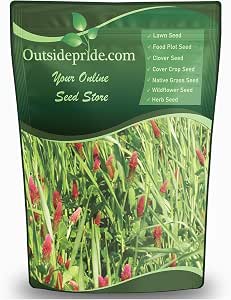 | Best for Larger Outdoor Plots | Weight: 10 lb (160 oz) | Seed mixture: Triticale, peas, oats, hairy vetch, annual ryegrass, crimson clover, and lentils | Usage: Outdoor | VIEW LATEST PRICE | See Our Full Breakdown |
More Details on Our Top Picks
Sow Right Seeds Austrian Winter Pea Seeds for Cover Crops
For a gardener focused on adding nitrogen to one small bed, this single-species pea packet is a more targeted choice than the Sow Right Seeds Cover Crop Seed Collection, which spreads its contents across nine varieties. Austrian winter peas also contribute organic matter and tolerate temperatures down to 10°F, making them useful for protecting soil through cold weather within their listed zones. The packet covers an 8 × 4 ft bed and includes planting instructions, so the scale is easy to plan around. The tradeoff is a narrow job description: you get peas, not a mix of rooting habits or growth types. They take 200–210 days to reach pod maturity, and the listed USDA zones are 6–10. Choose them for soil-building, not a quick edible harvest.
Pros:- Legumes help add nitrogen to garden soil
- Cold tolerance down to 10°F supports winter cover in suitable areas
- Packet is sized for an 8 × 4 ft bed
- Planting instructions are included
Cons:- One packet covers only a small garden bed
- Pod maturity takes 200–210 days
- Listed for USDA zones 6–10 rather than a broad range
Best for: Gardeners in USDA zones 6–10 who want a small, cold-tolerant cover crop centered on nitrogen enrichment.
Not ideal for: Growers seeking a fast-finishing cover crop, a large planting quantity, or a blend of several species.
- Plant type:Austrian winter pea (Pisum sativum subsp. arvense)
- Seed quantity:Minimum 17 g (about 200 seeds)
- Coverage:8 × 4 ft garden bed
- Germination time:7–14 days
- Planting depth:1.5 in
- Spacing:6 in
- Cold tolerance:Down to 10°F
- USDA zones:6–10
Our verdict“Choose this packet for a small, cold-weather bed where nitrogen enrichment matters more than crop variety or fast maturity.”
TnT Seed Company All-Purpose Garden Cover Crop Seed Mix, 5 lb, 15-Seed Blend
This is the lineup’s broadest ready-to-sow option for gardeners who want multiple soil-building roles in one jug. Its 15-species blend combines legumes, grains, and deep-rooted plants, while the 5 lb quantity covers about 3,000–3,750 sq ft—far more ground than the bed-sized Sow Right packets. Spring, summer, or fall planting gives it more scheduling flexibility than Mountain Valley Seed Company’s winter rye, which is listed for fall or early spring. You can broadcast or lightly incorporate it, then terminate by mowing, tilling, or winterkill. Those benefits come with less certainty about the exact coverage per pound: the stated range is 600–750 sq ft. Establishment also depends on moisture, so this is a weaker fit for dry sites without irrigation.
Pros:- Combines 15 species, including legumes, grains, and deep-rooted plants
- 5 lb jug covers approximately 3,000–3,750 sq ft
- Can be planted in spring, summer, or fall
- Several termination options are listed, including mowing, tilling, and winterkill
Cons:- Coverage varies from about 600 to 750 sq ft per pound
- Establishment depends on adequate moisture
- The mixed-seed format is less targeted than single-species rye or winter peas
Best for: Backyard growers with several beds or a larger garden who want a multi-species mix and flexible planting and termination methods.
Not ideal for: Gardeners who need a precise species-specific plan, have very limited planting area, or cannot provide suitable moisture during establishment.
- Seed blend:15 species
- Weight:5 lb
- Coverage:Approximately 3,000–3,750 sq ft per jug
- Coverage per pound:Approximately 600–750 sq ft
- Planting season:Spring, summer, or fall
- Seeding depth:1/4 inch or less
- Sunlight:Full sun to partial shade
- Expected plant height:20 inches
Our verdict“Pick this jug for varied, large-area soil cover and flexible timing, but choose a single crop if you need a more specific planting plan.”
Sow Right Seeds Cover Crop Seed Collection, 9 Varieties
For gardeners still figuring out which cover crop suits their beds, this collection offers nine distinct varieties in separate packets, including buckwheat, clovers, hairy vetch, daikon radish, oats, and rye. That makes it more useful for comparing crop types or tailoring small areas than TnT Seed Company’s 15-species jug, which is aimed at covering substantially more ground with a ready-made blend. Each packet includes growing instructions, helping a new grower handle different crops without relying on one generic sowing plan. The limitation is scale: the listed coverage is one 8 × 4 ft bed per packet, so this is a sampler rather than a bulk solution. It also calls for regular watering, and buyers should plan around the individual varieties rather than assume all nine share the same planting needs.
Pros:- Includes nine different cover crop varieties
- Separate packets allow crops to be planted or compared individually
- Growing instructions are included with each packet
- Variety supports different goals, including erosion protection and weed suppression
Cons:- Each packet covers only an 8 × 4 ft garden bed
- Regular watering is listed
- Managing nine crop types takes more planning than sowing one blend
Best for: Home gardeners who want to try several cover crop types in small beds before committing to a larger single-species or blended planting.
Not ideal for: Growers covering thousands of square feet or anyone who wants one uniform mix with a single sowing plan.
- Varieties:9
- Included seeds:Annual buckwheat, crimson clover, Dutch white clover, hairy vetch, yellow mustard, winter oats, Austrian winter pea, daikon radish, and winter rye
- Coverage:One packet covers an 8 × 4 ft garden bed
- Seed traits:Non-GMO heirloom
- Sunlight:Full sun
- Watering:Regular
- Use:Indoor and outdoor
Our verdict“Choose this collection to learn which cover crops suit your garden, not to cover a large area with one uniform sowing.”
Mountain Valley Seed Company No-Till Winter Rye Cover Crop Seeds, 5 lb
Winter rye is the straightforward pick here when the priority is quick, dependable cover over a larger area. It germinates in 4–10 days and matures in 90–110 days, giving it a faster stated schedule than Sow Right Seeds Austrian winter peas, whose pods take 200–210 days to mature. Rye also suits a very broad listed range—USDA zones 1–11—and can be tilled under as green manure or harvested for grain. The 5 lb bag contains about 90,000 seeds, but its stated rate of 2–3 lb per 1,000 sq. ft. means buyers need enough ground and should prepare it for broadcast planting. Unlike TnT’s 15-species blend, this is a single crop: that simplicity helps with planning but offers fewer plant types and soil-building roles.
Pros:- Germinates in 4–10 days
- Listed for USDA zones 1–11
- Can suppress weeds and help limit erosion
- May be tilled under as green manure or harvested for grain
Cons:- The 5 lb quantity calls for substantial planting space
- Best results depend on soil preparation and adequate watering
- Single-species planting offers less variety than the TnT 15-seed blend
Best for: Gardeners and small-scale growers who need a fast-germinating, cold-tolerant single crop for larger areas and fall or early-spring sowing.
Not ideal for: People with only a small bed, limited space for broadcast planting, or a preference for a varied multi-species cover crop.
- Seed type:Winter rye (Secale cereale)
- Weight:5 lb
- Seed count:Approximately 90,000
- Seeding rate:2–3 lb per 1,000 sq. ft.
- Germination time:4–10 days
- Maturity:90–110 days
- Planting season:Fall or early spring
- Growing zones:USDA zones 1–11
Our verdict“Pick this rye for fast, broad-range cover on a prepared area; choose a smaller packet or mixed collection for compact beds or more crop diversity.”
Sow Right Seeds Winter Oats Cover Crop Seeds
These oats are a practical fit when you need a small-bed cover crop with a shorter stated maturity window. Sow Right lists maturity at 55–65 days, compared with 90–110 days for Mountain Valley’s winter rye. That can suit a gardener working around a tighter planting calendar, while the packet’s roughly 500 seeds are sized for an 8 × 4 ft bed rather than a broad field. Oats can help reduce erosion, suppress weeds, hold nitrogen, and add organic matter. The main restriction is climate: the listed hardiness range is USDA zones 8b–10a, much narrower than the rye’s zones 1–11. They also need full sun and regular watering. Choose this over rye for a compact, quick-turnaround planting only if your conditions match the stated range.
Pros:- Listed maturity of 55–65 days is shorter than winter rye’s stated 90–110 days
- Packet quantity is sized for an 8 × 4 ft bed
- Can help reduce erosion and suppress weeds
- Non-GMO heirloom seed with planting instructions included
Cons:- Listed for the narrow range of USDA zones 8b–10a
- Requires full sun and regular watering
- Small packet is not suited to broad-area coverage
Best for: Gardeners in USDA zones 8b–10a who want a small, short-season cover crop for a single 8 × 4 ft bed.
Not ideal for: Growers outside the listed hardiness zones, gardeners with shaded beds, or anyone needing seed for a large planting.
- Plant type:Winter oats (Avena sativa)
- Seed quantity:Minimum 14 g (about 500 seeds)
- Coverage:8 × 4 ft garden bed
- Germination time:7–14 days at 60°F soil temperature
- Planting depth:1 in
- Plant spacing:3 in
- Maturity:55–65 days
- USDA hardiness zones:8b–10a
Our verdict“Choose these oats for a sunny, small bed in the listed zones when a shorter stated maturity window matters more than broad climate range.”
Tin Shed No-Till Cover Crop Seed Mix
The Tin Shed mix earns its place for gardeners who want several cover-crop functions in one planting: nitrogen-fixing legumes, grasses for ground cover, and deep-rooted species such as radish and rapeseed. That range makes it more functionally varied than Sow Right Seeds Driller Daikon Radish, which focuses on one root crop, and a better fit for rotation gaps where weed suppression and soil protection are both goals. The no-till planting system suits growers who want to sow without turning the bed, while the 16-ounce quantity is aimed more at garden-scale use than acreage. Its limits are clear: the listing points to fall or between-crop planting, and full sun narrows placement. I would choose another option if I needed named planting instructions or a single, predictable species.
Pros:- Combines legumes, grasses, and deep-rooted species in one blend.
- Designed to protect soil and help suppress weeds between crops.
- Nitrogen-fixing plants support nutrient cycling.
- No-till planting system suits gardeners avoiding soil disturbance.
Cons:- Planting guidance is limited to fall or between crop rotations.
- Full-sun requirement restricts use in shaded beds.
- The listing does not provide individual seed proportions.
Best for: Gardeners with sunny beds between crop rotations who want a multi-species mix with legumes, grasses, and deep-rooted plants.
Not ideal for: Growers seeking a mix with detailed species-by-species sowing guidance, a spring-focused planting option, or a shade-tolerant crop.
- Seed blend:Triticale, peas, rye, hairy vetch, radish, rapeseed, crimson clover, and balansa clover
- Weight:16 ounces
- Unit count:1
- Usage:Outdoor
- Sunlight:Full sun
- Planting period:Fall or between crop rotations
- USDA hardiness zones:3–8
- Planting system:No-till
Our verdict“Choose Tin Shed for a varied, sunny-bed no-till planting; choose Sow Right Driller Daikon if compacted soil is your main concern.”
Pennington Cover Crop, 2 lb Garden Seeds
Pennington is the clearest choice here for gardeners who want a simple fall routine across raised beds, in-ground plots, or larger garden patches. Its rapeseed, radish, and crimson clover mix pairs root growth with a nitrogen-fixing legume, while the spread-rake-water directions lower the barrier to getting a bed covered. Compared with the more varied Tin Shed No-Till mix, Pennington uses fewer listed species and offers a more direct application approach; the Five-Variety Cover Crop Seed Collection gives more separate varieties and spring-to-fall timing. The tradeoff is that Pennington is specifically positioned for fall planting, so it is less flexible for gardeners planning cover crops in other seasons. Its indoor-use listing also does not change the practical focus: this is a full-sun outdoor garden mix.
Pros:- Organic mix combines rapeseed, radish, and crimson clover.
- Can be spread, lightly raked, and watered for a straightforward sowing process.
- Suitable for raised beds, in-ground gardens, and large planting areas.
- Designed to cover soil and suppress weeds through winter.
Cons:- Best suited to fall planting, limiting use in other seasons.
- Fewer listed species than Tin Shed’s eight-species blend.
- The product information does not specify seed coverage area.
Best for: Home gardeners who want an organic, easy-to-spread fall cover crop for raised beds, in-ground gardens, or larger plots.
Not ideal for: Gardeners who need a cover crop for spring or summer sowing, or who want a clearly listed multi-season planting plan.
- Weight:2 lb
- Seed mix:Rapeseed, radish, and crimson clover
- Usage:Indoor and outdoor
- Sun exposure:4–8 hours per day
- Planting period:Fall
- Blooming period:Spring to fall
- Organic:Yes
Our verdict“Pick Pennington for an easy-to-sow organic fall mix, but choose the Five-Variety Collection if you want planting options beyond fall.”
Sow Right Seeds Driller Daikon Radish Cover Crop Seeds, 2-Pack
This two-pack gives a focused answer to one common cover-crop problem: compacted soil. Daikon radish develops long roots that can open soil channels and hold nutrients, while its leaves add surface cover and help crowd weeds. That makes it more targeted than Pennington’s three-species mix or the broader Tin Shed blend; it is a specialist pick, not an all-purpose rotation mix. Each packet contains at least 10 grams, described as enough for an 8 × 4 ft bed, and the stated 50–60-day root maturity gives gardeners a useful planning window. The downside of that focus is limited crop diversity, and the listing calls for full sun and regular watering. I would skip it if the goal is a varied legume-and-grass cover or a radish harvest.
Pros:- Deep taproots can help loosen compacted soil and retain nutrients.
- Each packet is listed to cover an 8 × 4 ft garden bed.
- Germination and root maturity timings help with planting schedules.
- Non-GMO heirloom seed, with zones listed from 2–11.
Cons:- Single-species planting offers less functional diversity than Tin Shed or Pennington mixes.
- Requires full sun and regular watering.
- The product is aimed at cover-crop use rather than a harvest-focused radish crop.
Best for: Gardeners with compacted, sunny beds who want a single-species cover crop with deep roots and a stated bed coverage estimate.
Not ideal for: Growers seeking a diverse cover-crop blend, low-water planting, or a radish primarily intended for harvest.
- Seed type:Driller Daikon radish (Raphanus sativus longipinnatus)
- Pack count:2
- Minimum seed per packet:10 g (about 950 seeds)
- Coverage per packet:8 × 4 ft garden bed
- Germination time:3–8 days
- Planting depth and spacing:1/4 in deep; 3 in apart
- Root maturity:50–60 days
- USDA hardiness zones:2–11
- Seed features:Non-GMO, heirloom
Our verdict“Choose this radish when soil loosening is the priority; choose a mixed seed blend when you want legumes and grasses alongside roots.”
Five-Variety Cover Crop Seed Collection
The Five-Variety Collection is the most adaptable choice for small spaces when a gardener wants several crops to choose from rather than one pre-combined blend. Oats, buckwheat, white clover, crimson clover, and hairy vetch span different cover-crop roles, and the stated spring-to-fall planting window offers more seasonal flexibility than Pennington’s fall-focused mix. Its untreated, open-pollinated, non-GMO heirloom seeds also suit buyers who prioritize seed type. The collection is described for raised beds, containers, and small gardens, so I would not put it ahead of the 16-species Vitalize Carbogro mix for a grower seeking a broad, single fall planting. Separate varieties can also mean more decisions about timing and care. It calls for full sun, loam, and moderate watering, which may not match every site.
Pros:- Includes five varieties spanning grasses, buckwheat, and legumes.
- Planting options are listed from spring through fall.
- Designed for raised beds, containers, and small gardens.
- Seeds are listed as untreated, open-pollinated, non-GMO, and heirloom.
Cons:- Small planting areas are the stated use, making it a less direct fit for acreage.
- Separate varieties can require more timing and care decisions than a blended mix.
- Full sun, loam, and moderate watering requirements may limit where it fits.
Best for: Small-garden growers who want five untreated, non-GMO heirloom varieties and the option to plant from spring through fall.
Not ideal for: Large-scale growers wanting one ready-made mix, or gardeners without full sun and loamy soil.
- Varieties:Oats, buckwheat, white clover, crimson clover, and hairy vetch
- Number of packs:5
- Seed type:Heirloom, open-pollinated, non-GMO, untreated
- Planting season:Spring to fall
- Sunlight:Full sun
- Expected plant height:24 inches
- USDA hardiness zones:3–9
- Soil and watering:Loam; moderate watering
Our verdict“Choose this collection for small-space variety and broad seasonal timing; choose Vitalize Carbogro for a single, larger fall mix.”
Vitalize Seed Carbogro Fall No-Till Cover Crop Mix, 16 Species, 1 lb
Carbogro ranks as the strongest fit for gardeners or farms seeking a high-diversity fall mix for no-till or green-manure use. Its 16 species span grains, brassica, clovers, and other plants, a wider stated range than Tin Shed’s eight named seeds and a more purpose-built fall option than the Five-Variety Collection. The aim is to establish before winter, then provide spring biomass for soil-building and nutrient cycling. That seasonal plan makes it a focused choice rather than a flexible year-round collection. The main drawback is a lack of transparency: the individual species are not identified, so buyers cannot check the blend against specific crop needs or compare it seed by seed with Tin Shed. At one pound, it is also a smaller package than a bulk-oriented farm mix.
Pros:- Sixteen-species blend spans grains, brassica, clovers, and other plant types.
- Designed to establish before winter and produce spring biomass.
- Suitable for no-till and green-manure systems.
- Intended for both farms and gardens.
Cons:- Individual species in the mix are not identified.
- Fall planting focus offers less seasonal flexibility than the Five-Variety Collection.
- Full-sun requirement limits use in shaded areas.
Best for: No-till gardeners and small farms planning a full-sun fall sowing for winter establishment and spring biomass.
Not ideal for: Buyers who need to know every species in the blend, want a spring-to-fall collection, or need a larger quantity for broad acreage.
- Brand:Vitalize Seed
- Seed mix:16 species
- Mix components:Grains, brassica, clovers, and other species
- Planting season:Fall
- Sunlight exposure:Full sun
- Weight:1 lb
- Planting system:No-till or green manure
Our verdict“Pick Carbogro for a diverse fall no-till planting when broad species variety matters more than knowing each seed in the blend.”
Sow Right Seeds Natural Tillage Cover Crop Seed Collection
The three-packet mix pairs annual buckwheat, hairy vetch, and daikon driller radish, giving a small garden bed more than one kind of cover crop to work with. Its clearest advantage over the Sow Right Seeds Cover Crop Seed Collection, 9 Varieties is a simpler lineup with growing instructions included; that can make choosing and planting less involved, though it offers less variety. Each packet covers an 8-by-4-foot bed, so this is a small-scale pick rather than a practical choice for broad acreage. The seeds are listed as non-GMO and heirloom, and the crops can help suppress weeds and protect soil from erosion. Regular watering is a real commitment, and the winter planting guidance may not suit every local climate or schedule.
Pros:- Combines annual buckwheat, hairy vetch, and daikon radish in one collection.
- Growing instructions are included.
- Non-GMO heirloom seed traits are specified.
- The crops can help suppress weeds and limit erosion.
Cons:- Coverage is limited to one 8-by-4-foot bed per packet.
- Regular watering is needed.
- The winter planting guidance may be a poor fit for some regions or planting plans.
Best for: Small-plot gardeners who want instructions and a manageable three-crop selection for one raised bed.
Not ideal for: Gardeners covering several beds or a large plot, since each packet covers only an 8-by-4-foot bed and regular watering is specified.
- Seed varieties:Annual buckwheat, hairy vetch, daikon driller radish
- Packet count:3
- Coverage:One packet covers an 8′ x 4′ garden bed
- Planting period:Winter
- Sunlight:Full sun
- Soil types:Clay or sandy soil
- Watering:Regular
- Seed traits:Non-GMO, heirloom
Our verdict“Choose this collection for an instructed, small-bed start; pick the nine-variety Sow Right collection if broader seed diversity matters more.”
No-Till Farm and Garden Cover Crop Mix Seeds, 1 lb
For gardeners who want an annual no-till blend, this one-pound mix combines hairy vetch, daikon radish, forage collards, triticale, and other seeds. The mix offers a more farm-oriented, larger-format option than the Sow Right Seeds Natural Tillage Cover Crop Seed Collection, which is divided into three packets with a stated small-bed coverage. Here, the listed weight is useful, but there is no coverage figure to help plan how much ground a bag will sow. The seed is described as non-GMO and open-pollinated, and the listing reports a high germination rate without supplying a figure. Its main limitation is seasonal: it is not intended to overwinter, and the complete mix contents are not disclosed, making it harder to match the blend to a particular crop plan.
Pros:- Includes several named cover crops, including vetch, daikon radish, forage collards, and triticale.
- Non-GMO and open-pollinated seed is specified.
- One-pound format suits planting beyond a single small packet.
- The listing reports a high germination rate.
Cons:- Not intended to overwinter.
- Full seed mix contents are not specified.
- No coverage or seeding-rate figure is provided.
Best for: Gardeners seeking a one-pound annual no-till blend for a seasonal planting and who do not need a fully itemized seed recipe.
Not ideal for: Growers who need a cover crop to overwinter or need exact coverage and complete ingredient details before sowing.
- Brand:Mountain Valley Seed Company
- Weight:1 lb (16 oz)
- Seed type:Non-GMO, open-pollinated
- Crop type:Annual
- Overwintering:Not intended to overwinter
- Named included seeds:Hairy vetch, daikon radish, forage collards, and triticale
Our verdict“Pick this for an annual no-till blend when overwintering is unnecessary and the undisclosed mix details are acceptable.”
Peas, Oats, and Vetch Garden Cover Crop Seed Mix, 1 lb
This mix centers on peas, oats, and vetch, making it a focused choice for gardeners who want legumes alongside a grass rather than a long, unspecified blend. The legumes can help fix nitrogen, while the dense planting can suppress weeds and protect soil; that makes the crop combination more explicit than the No-Till Farm and Garden Cover Crop Mix, whose full contents are not listed. It is also more flexible about season, with spring, late-summer, and fall planting listed. A stated 600–750-square-foot coverage helps with planning, though that area may not stretch far for larger plots. Seeds can be broadcast or lightly incorporated, so bed preparation can stay simple. The tradeoff is establishment: the mix needs adequate moisture, and its specified planting depth is shallow.
Pros:- Peas and vetch can contribute nitrogen fixation, with the mix also adding organic matter.
- Suitable for spring, late-summer, and fall planting.
- Can be broadcast or lightly incorporated into moist soil.
- Dense growth can help suppress weeds and reduce erosion.
Cons:- Needs adequate moisture to establish.
- One bag covers about 600–750 square feet, limiting its reach on larger plots.
- Planting depth is 1/2 inch or less, which calls for care during sowing.
Best for: Gardeners who want a named legume-and-oat blend for spring or fall planting and can provide moisture while it establishes.
Not ideal for: Large-acreage growers or gardeners who need a drought-tolerant option or coverage beyond the stated 600–750 square feet per bag.
- Brand:TnT Seed Company
- Seed weight:1 lb (16 oz)
- Coverage:600–750 sq ft
- Planting seasons:Spring, late summer, and fall
- Planting depth:1/2 inch or less
- Sunlight:Full sun to partial shade
- Expected plant height:24 inches
- Moisture needs:Moderate watering
Our verdict“Choose this named peas-oats-vetch blend for seasonal soil cover and nitrogen support on a moderate-sized plot.”
No-Till Cover Crop 13-Seed Mix, 1 lb Bag
With 13 seed varieties, this one-pound mix is the lineup’s diversity-first pick. Named ingredients include clovers, fenugreek, vetch, flax, cowpeas, buckwheat, forage peas, millet, and lentils, spanning several kinds of cover crops. That contrasts with the Peas, Oats, and Vetch Garden Cover Crop Seed Mix, which has a shorter, clearly focused ingredient list and published planting guidance. The variety may appeal to growers who want a broad blend, and the seed is described as nitro-coated and all-natural. But the product information supplies no growing instructions, planting window, seeding rate, or coverage estimate. That leaves more planning work to the buyer and makes it harder to judge whether the mix suits a particular region, bed size, or seasonal goal.
Pros:- Includes 13 seed varieties.
- Named ingredients include legumes, grasses, and other cover crops.
- Described as nitro-coated.
- Listed as all-natural and sourced from the USA.
Cons:- No growing or planting instructions are provided.
- No coverage or seeding-rate information is listed.
- The mix does not provide a stated planting period to guide seasonal use.
Best for: Experienced gardeners who want a diverse, multi-species blend and can determine suitable planting rates and timing themselves.
Not ideal for: New cover-crop growers or buyers who need clear sowing, coverage, and seasonal instructions before planting.
- Weight:1 lb
- Number of seed varieties:13
- Named seed types:Clovers, fenugreek, vetch, flax, cowpeas, buckwheat, forage peas, millet, and lentils
- Coating:Nitro-coated
- Origin:USA
- Product description:All-natural cover crop mix
Our verdict“Choose this for a broad seed blend if you can supply your own planting plan; beginners are better served by a mix with sowing guidance.”
Outsidepride Gardenway Cover Crop Seed Mix, 10 lb
The 10-pound bag is the standout here for gardeners covering more ground than the one-pound blends can handle. Its seven named seeds—triticale, peas, oats, hairy vetch, annual ryegrass, crimson clover, and lentils—make a more substantial bulk option than the Sow Right Seeds Natural Tillage Cover Crop Seed Collection, which is aimed at a single small bed. The mix is intended to improve soil fertility and water retention while helping limit erosion and unwanted vegetation; flowering plants may also attract pollinators. That range of goals comes with less useful sowing guidance than the Peas, Oats, and Vetch Garden Cover Crop Seed Mix, which provides a coverage estimate and planting details. Outsidepride lists summer planting, partial sun, loam soil, and moderate watering, so its timing and site guidance may narrow where it fits.
Pros:- Ten-pound quantity suits larger planting areas.
- Seven named seeds include grasses, legumes, and clovers.
- The blend is intended to support soil fertility and water retention.
- Ground cover may help reduce erosion and unwanted vegetation, while flowering plants may attract pollinators.
Cons:- Summer is the listed planting and blooming period, which limits timing options.
- No coverage estimate or seeding rate is provided.
- The listed soil type is loam, and moderate watering is specified.
Best for: Gardeners or small-scale growers who need a bulk cover crop blend for a larger outdoor area with loam soil.
Not ideal for: Buyers with a small bed, non-loam soil, or planting plans outside the listed summer period.
- Weight:10 lb (160 oz)
- Seed mixture:Triticale, peas, oats, hairy vetch, annual ryegrass, crimson clover, and lentils
- Usage:Outdoor
- Sunlight:Partial sun
- Planting period:Summer
- Expected plant height:2 feet
- Soil type:Loam
- Soil moisture needs:Moderate watering
Our verdict“Choose this bulk blend for a larger summer planting in loam soil, but favor a product with a stated coverage rate if precise sowing plans matter.”
How We Picked
I ranked these products by how clearly their seed type, blend, and package format support common cover-cropping plans: protecting bare soil, growing through a cool season, adding a legume to a mix, or preparing a no-till plot. I gave more weight to products with a distinct, understandable use than to species count alone. A focused crop can be easier to plan around, while a diverse mix can spread the planting role across several seed types but may be less tailored to a specific site.
I also weighed usability and buying fit: whether a buyer wants one crop, a ready-made blend, a collection of varieties, or enough seed for a larger area. The ranking favors versatile, clearly positioned choices near the top, then separates specialized crops, collections, and larger-format blends by the kind of control or scale they offer. Product names and listed formats inform this comparison; they do not establish germination results or suitability for every climate, soil, or sowing date, so local planting guidance remains part of the decision.
Factors to Consider When Choosing Best Cover Crop Seeds
Seed choice is only one part of a successful cover crop plan. I’d match the seed to the job, planting window, garden scale, and the way you plan to end the crop before choosing a blend or package size.
Start With the Job You Want the Crop to Do
Decide what you want the planted area to accomplish before comparing species counts. A crop grown mainly to cover bare soil may call for a different choice than one selected to include a legume or to fit a no-till routine. Mixed products can serve several purposes, but the label alone does not tell you which crop will dominate under your conditions. Check the seed list and look for a blend whose components align with your main goal. Avoid choosing a mix simply because it has the most varieties; extra species can add complexity without solving your specific problem. If you have two competing goals, prioritize one and confirm that the mix supports the other without relying on assumptions about local performance.
Match the Seed to Your Planting Window
Cover crops are seasonal decisions, not just seed choices. Before ordering, check your local planting calendar, expected frost dates, and the time available before you need the bed again. Winter rye, winter oats, and Austrian winter peas signal different crop types, but a product name alone cannot tell you how each will behave in your region. A late sowing can leave a crop too little time to establish, while an early planting may compete with a crop you still want to harvest. Read regional extension guidance and the product’s sowing instructions together. When timing is uncertain, choose a plan with a clear window for both planting and termination rather than counting on a broad mix to adapt.
Choose Between a Single Crop and a Blend
A single-crop seed gives you more direct control over what you sow and can simplify decisions about planting and termination. That focus is useful when you have a specific crop in mind, such as rye, oats, peas, or daikon radish. A premixed blend spreads the selection across multiple seed types and can be convenient when you want a ready-made combination. The tradeoff is that each component may establish differently, and a blend’s balance in the bag does not promise the same balance in the garden. Collections offer another route: they give you options, but you must decide whether to sow varieties together or separately. Check whether the package explains intended use and sowing rates before treating a collection like one unified mix.
Plan How You Will End the Cover Crop
Buyers often focus on sowing and leave termination until the crop is already growing. That can create a mismatch if the cover becomes difficult to cut, incorporate, or manage before the next planting. Before choosing a seed, decide whether you can mow, turn the soil, cut by hand, or follow a no-till approach. A product labeled no-till may fit a particular system, but the label does not remove the need for a termination plan or prove that the crop suits every garden. Consider the equipment and labor you have, along with the next crop’s planting date. If you cannot manage a large stand, a smaller trial area can help you learn the timing before sowing the whole plot.
Size the Package to Your Plot
Package weight is useful only when paired with the recommended sowing rate and the area you intend to plant. The 1 lb mixes in this lineup may be easier to handle for a small garden or trial, while 5 lb and 10 lb formats can be more practical for larger plots if their seed rate fits your plan. Do not infer coverage from weight alone: seed size, blend composition, and sowing method all affect how far a bag goes. Also think about storage, since leftover seed needs suitable conditions and may not remain dependable indefinitely. If the instructions give a range of rates, calculate your area before buying and use the rate suited to your planting method rather than stretching the seed to cover more ground.
Check Local Fit Before Buying a Diverse Mix
More species can mean more options, but each species still needs conditions that support establishment. Soil type, moisture, temperature, shade, and local growing-season length can all influence which parts of a blend take hold. A diverse seed list is not a guarantee that every component will thrive in your bed. Look up the listed crops against local planting advice, especially if you garden in a short-season, very wet, or very dry area. Also check whether any crop could create a problem for your rotation or nearby planting plans. For a first attempt, a smaller area or a simpler mix can make it easier to see what works before committing a whole plot to a complex blend.
Frequently Asked Questions
Should I buy a single cover crop seed or a mixed blend?
Choose a single crop when you have a clear priority and want control over what grows in the bed. A blend is more convenient when you want several seed types in one product and are comfortable with their different growth habits. The lineup includes focused choices such as winter rye, oats, Austrian winter peas, and daikon radish, alongside multi-seed mixes such as TnT’s 15-seed blend and Vitalize Carbogro’s 16-species mix. A higher species count does not guarantee a better result for your garden. Check the blend contents, sowing instructions, and local planting window before deciding.
Is a no-till cover crop mix suitable if I do not own farm equipment?
It may be, but the no-till label does not tell you how much labor or what tools you will need. You still need a way to manage the crop before planting the next crop, and the right method depends on the seed mix, growth stage, and garden setup. Read the product instructions and compare them with the tools you have, such as hand shears, a mower, or a tarp. A small test patch can show whether the routine is manageable before you plant a larger area. If you cannot identify a practical termination method, select a crop plan that fits your available tools rather than relying on the label.
How do I know whether a 1 lb, 5 lb, or 10 lb bag is the right size?
Start with the area you plan to sow, then use the product’s recommended seeding rate to calculate the amount required. Bag weight by itself cannot show how many square feet it will cover because seed size and blend composition differ. The 1 lb options in this lineup are easier to match to smaller beds or trials, while 5 lb and 10 lb formats may fit larger plots if the rate and crop plan line up. Avoid buying extra seed just because the package seems like a better fit on paper. Check storage guidance and your likely planting schedule before deciding how much to keep on hand.
Can I sow a cover crop after harvesting vegetables in fall?
Often that is the purpose of a fall cover crop, but the local planting window determines whether the seed has time to establish. Check regional guidance for your area and compare it with the specific crop or mix instructions. The lineup includes options explicitly presented for winter or fall use, such as winter rye, winter oats, and Vitalize Carbogro’s fall no-till mix, but those names do not replace local timing advice. If the bed becomes available late, a broad blend may not make every component suitable for that sowing date. Base the choice on the remaining growing conditions and the date you need the bed for the next crop.
Should a beginner start with a seed collection or a ready-made mix?
A ready-made mix is usually simpler if you want one product with an established combination of seed types. A collection, such as Sow Right’s nine-variety set or the five-variety collection, gives you more flexibility but also asks you to decide how and where to sow each variety. That extra control can be useful if you want to compare crops in separate beds, but it adds planning work. Beginners may find a clearly labeled, purpose-matched mix easier to manage for a first planting. Whichever format you choose, start with a manageable area and follow the sowing instructions rather than combining every seed by default.
Conclusion
For most gardeners seeking one flexible starting point, I’d choose the TnT All-Purpose Garden Cover Crop Seed Mix as the best overall option in this lineup. Buyers focused on a straightforward winter cereal should look at Mountain Valley Winter Rye, while the best value by format depends on matching a larger bag, such as Outsidepride’s 10 lb mix, to an area large enough to use it. For a broader fall planting, Vitalize Carbogro is the best premium-style pick for buyers who want a 16-species mix and can accommodate its more complex blend. Beginners who prefer options to explore may favor a collection, but those who want fewer decisions should start with a clearly labeled ready-made mix. For specific needs, choose the focused seed that fits your plan: rye for a winter cereal, oats for a winter-oats option, Austrian winter peas for a pea crop, or daikon radish for a radish crop. Match the seed to your planting window, bed size, and termination method before ordering.
Fall yard work Picks
leaf blowers
As an affiliate, we earn on qualifying purchases.