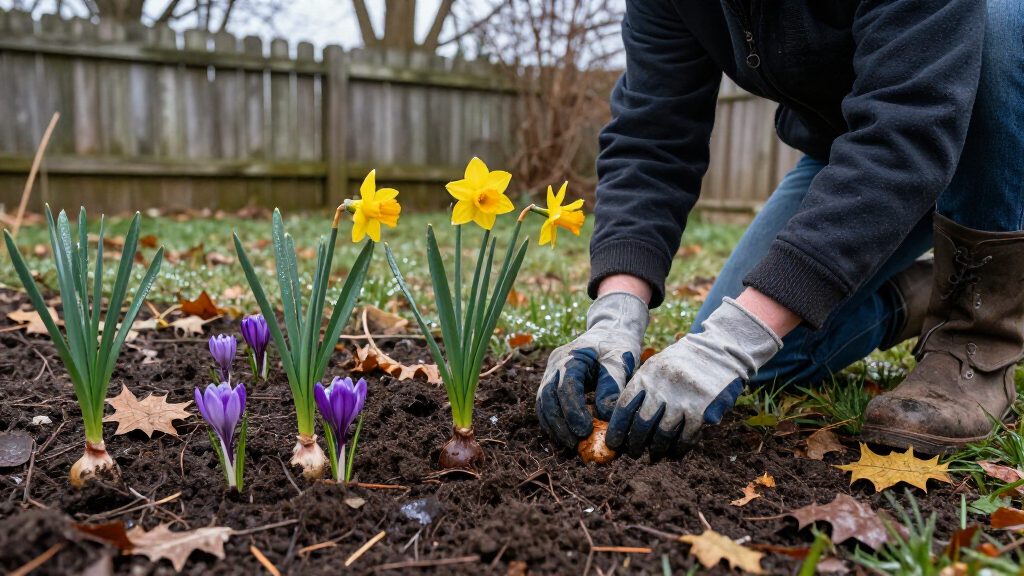

The best flowers to plant in October depend on whether you want color now, blooms next spring, or perennials that return in later years. I’d choose pansy seeds as the best overall fit for fall planting, while live purple mums offer the quickest display and New England aster seeds suit gardeners planning for future pollinator-friendly blooms. The main tradeoff is timing: seeds need time and suitable conditions, while live plants give more immediate color but need care before hard frost. Dormant peonies are a longer-term choice, and their success depends on planting the root correctly. Read on for how these seven options differ and which one fits your garden.

Get garden gear delivered free — and shop member deals
- Fast, free delivery on millions of items
- Access to Prime Big Deal Days deals on October 6–7
- Prime Video, Amazon Music and more included
Complete the kit


Key Takeaways
- Pansies are the most direct match for October planting: the mix is specifically described as cold hardy and suited to fall planting, containers, and borders.
- Live mums prioritize immediate seasonal color: the two potted plants skip germination, though they require more upfront care than seed packets.
- The three New England aster listings serve similar planting goals: compare their stated seed counts and descriptions, but the listings alone do not establish different growing performance.
- The peony is a long-range garden choice: a dormant bare root is less suited to someone seeking October flowers and more suited to a gardener planning for future perennial blooms.
- The collection offers variety over specialization: ten cool-season varieties can broaden a fall or spring planting, while single-species options make a more focused choice.
| Survival Garden Seeds Cool Season Flower Seed Collection – 10 Heirloom Varieties for Spring & Fall Color |  | Best Variety for a Fall-Sown Border | Varieties: 10, including pansy, snapdragon, calendula, alyssum, and sweet pea | Seed type: Heirloom, non-GMO, open-pollinated, untreated | Hardiness zones: USDA Zones 3–9 | VIEW LATEST PRICE | See Our Full Breakdown |
| Costa Farms Purple Fall Mums, Live Outdoor Chrysanthemum Plants, 2-Pack in 3-Quart Pots |  | Best for Instant October Color | Quantity: 2 live chrysanthemum plants | Pot size: 3-quart grower pots | Arrival height: Approximately 14–18 inches | VIEW LATEST PRICE | See Our Full Breakdown |
| New England Aster Seeds, 500+ Purple Perennial Wildflower Seeds |  | Best for Pollinators and Lasting Color | Seed quantity: 500+ | Plant type: Perennial wildflower | Flower color: Purple with golden-yellow centers | VIEW LATEST PRICE | See Our Full Breakdown |
| Walter Faxon Double Pink Peony – Bare Root Dormant Plant |  | Best Heirloom Bare-Root Planting | Plant type: Dormant bare-root peony | Bloom color and type: Pink, double | Fragrance: Fragrant | VIEW LATEST PRICE | See Our Full Breakdown |
| Pansy Seeds Mix for Planting – Cold Hardy Annual for Fall Planting, Containers & Garden Borders |  | Best for Beginner-Friendly Fall Sowing | Plant type: Cold-hardy annual pansy | Seed feature: GMO-free | Sun exposure: Full sun to partial shade | VIEW LATEST PRICE | See Our Full Breakdown |
| 1000+ Mix New England Aster Flower Seeds – Perennial, Cold Hardy, Pollinator Friendly, Non-GMO Heirloom |  | Best for Large Northern Gardens | Quantity: 1000+ seeds | Plant type: Perennial | Varieties: New England aster and other perennial types | VIEW LATEST PRICE | See Our Full Breakdown |
| 600 New England Aster Heirloom Flower Seeds (Aster Novae-Angliae) |  | Best for Specific Sowing Guidance | Seed count: 600 seeds | Botanical name: Aster novae-angliae | Plant type: Perennial wildflower | VIEW LATEST PRICE | See Our Full Breakdown |
| flowers to plant in October | Plant type | Sun exposure |
|---|---|---|
| Survival Garden Seeds Cool Sea | — | Full sun |
| Costa Farms Purple Fall Mums | Chrysanthemum | Full sun |
| New England Aster Seeds | Perennial wildflower | — |
| Walter Faxon Double Pink Peony | Dormant bare-root peony | Partial shade |
| Pansy Seeds Mix for Planting | Cold-hardy annual pansy | Full sun to partial shade |
| 1000+ Mix New England Aster Fl | Perennial | — |
| 600 New England Aster Heirloom | Perennial wildflower | Full sun or part sun |
More Details on Our Top Picks
Survival Garden Seeds Cool Season Flower Seed Collection – 10 Heirloom Varieties for Spring & Fall Color
For October planting, this collection is the broadest way to build a cool-season display from seed: its ten varieties include pansy, snapdragon, calendula, alyssum, and sweet pea, giving a bed more range in height and texture than the single-color pansies in the Pansy Seeds Mix. The open-pollinated, untreated heirloom seeds also suit gardeners who want to save seed, and variety-specific packet instructions help with a mix whose plants may have different needs. The tradeoff is that a collection asks for more planning than ready-to-display Costa Farms Purple Fall Mums, and not every variety is guaranteed to flower before winter when planted in October. I’d choose it for a layered seasonal project, while gardeners seeking immediate color should pick established plants.
Pros:- Ten varieties offer a broader mix of color, height, and texture than single-variety seed options
- Untreated, open-pollinated heirloom seeds can be saved for future planting
- Packet-specific planting guidance helps manage the different varieties
- Cool-season varieties suit fall sowing and light frosts
Cons:- October sowing may not give every variety time to bloom before winter
- Annual varieties need replanting for future seasons
- The collection is less suited to hot summer conditions
Best for: Gardeners with space for a mixed cool-season bed who want several flower types and seed-saving potential
Not ideal for: Anyone who needs instant October blooms or wants one simple variety with predictable placement
- Varieties:10, including pansy, snapdragon, calendula, alyssum, and sweet pea
- Seed type:Heirloom, non-GMO, open-pollinated, untreated
- Hardiness zones:USDA Zones 3–9
- Expected plant height:18 inches
- Sun exposure:Full sun
- Soil and watering:Loam; moderate watering
- Planting and bloom period:Planting: spring to fall; blooms: spring to fall
Our verdict“Choose this collection if you want to plan a diverse cool-season border from seed and can wait for it to establish.”
Costa Farms Purple Fall Mums, Live Outdoor Chrysanthemum Plants, 2-Pack in 3-Quart Pots
If October is already here and the porch or border looks bare, these two established purple mums deliver a faster visual change than the Survival Garden Seeds collection or Pansy Seeds Mix, which must grow from seed. Their 3-quart pots and 14–18-inch arrival height make them ready to display, with the option to transplant into larger containers or beds. That convenience comes with a seasonal limit: mums provide fall color rather than a longer-term perennial planting, and the listing cautions that freezing temperatures during shipping can harm them. They also need protection from a hard freeze after arrival. I’d choose them for near-term outdoor display, not for gardeners focused on starting a lasting October garden from seed.
Pros:- Two established plants create immediate seasonal impact
- Three-quart grower pots make display or transplanting straightforward
- Purple blooms suit containers, beds, and fall decorations
- Cooler fall temperatures suit their seasonal bloom period
Cons:- Vulnerable to freezing temperatures during shipping
- Must be brought indoors promptly when freezing weather threatens
- Offers less long-term garden value than a perennial such as New England Aster Seeds
Best for: People who want ready-to-display fall color for a porch, patio, walkway, or container planting
Not ideal for: Gardeners seeking seed-grown variety, a long-term perennial, or a plant they can leave exposed to freezing conditions
- Quantity:2 live chrysanthemum plants
- Pot size:3-quart grower pots
- Arrival height:Approximately 14–18 inches
- Expected plant height:36 inches
- Bloom color:Purple
- Sun exposure:Full sun
- Plant type:Chrysanthemum
Our verdict“Pick these mums for ready-made October color if you can protect them from freezing weather.”
New England Aster Seeds, 500+ Purple Perennial Wildflower Seeds
New England aster is the long-game choice here: unlike Costa Farms Purple Fall Mums, which arrive established for immediate display, these 500+ seeds grow into tall perennials with purple flowers and golden centers that can color a garden from late summer through the first frost once established. That makes them a useful October pick for gardeners planning future seasons and looking to support bees, butterflies, and hummingbirds. The plants can reach 48 inches, so they bring height that the low-growing Pansy Seeds Mix does not, but that stature needs room and may call for support in exposed spots. The supplied information gives no planting or germination instructions, so first-time seed growers have less guidance than buyers of the Survival Garden Seeds collection.
Pros:- Perennial growth can provide recurring garden color once established
- Blooms extend from late summer through the first frost
- Attracts bees, butterflies, and hummingbirds
- Tall stems can be used for cutting
Cons:- May take time to establish before delivering a full display
- No planting or germination instructions are provided
- Plants can reach 48 inches and need adequate space
Best for: Gardeners with room for tall perennial flowers who want late-season color and pollinator visits in future years
Not ideal for: Small-space gardeners or beginners who need clear sowing instructions and quick first-season blooms
- Seed quantity:500+
- Plant type:Perennial wildflower
- Flower color:Purple with golden-yellow centers
- Plant height:Up to 48 inches
- Hardiness zones:USDA Zones 3–9
- Seed type:Non-GMO, open-pollinated heirloom
- Bloom season:Late summer through first frost
- Pollinators attracted:Bees, butterflies, and hummingbirds
Our verdict“Choose these asters if you can wait for a tall perennial display that supports pollinators late in the season.”
Walter Faxon Double Pink Peony – Bare Root Dormant Plant
Walter Faxon offers a different kind of October planting: a dormant bare-root peony intended to settle in before its spring flowering season, rather than an annual seed mix for quick seasonal color. Its fragrant, double pink blooms and heirloom character make it a more permanent garden choice than Costa Farms Purple Fall Mums, but the reward comes later. The listing notes that blooms may take a season to appear, so I wouldn’t choose it to fill a visible gap this fall. Its listed preference for partial shade also differs from the full-sun New England Aster Seeds, giving it a possible place in a less sunny bed. The supplied zone specification lists only Zone 3, so gardeners outside that zone should verify local suitability before buying.
Pros:- Fragrant double pink blooms bring a classic spring display
- Dormant bare-root form suits fall establishment
- Heirloom variety offers a lasting alternative to seasonal mums
- Listed to attract pollinators
Cons:- May take a season to bloom after planting
- Arrives dormant as a bare root rather than as an established flowering plant
- Provided hardiness information lists only USDA Zone 3
Best for: Gardeners in USDA Zone 3 who want to establish a fragrant, heirloom peony for future spring blooms
Not ideal for: Anyone seeking flowers this October, or gardeners who need clear hardiness guidance for zones beyond Zone 3
- Plant type:Dormant bare-root peony
- Bloom color and type:Pink, double
- Fragrance:Fragrant
- Expected bloom period:Spring
- Expected plant height:35 inches
- Sun exposure:Partial shade
- Hardiness zone listed:USDA Zone 3
- Soil and watering:Loam; regular watering
Our verdict“Choose Walter Faxon if you want to establish a fragrant perennial for future spring flowers and can wait for it to bloom.”
Pansy Seeds Mix for Planting – Cold Hardy Annual for Fall Planting, Containers & Garden Borders
For a straightforward seed-starting choice, this mix focuses on one familiar flower rather than the ten varieties in the Survival Garden Seeds collection. Its cold-hardy pansies can bloom in late fall and early spring through light frosts, while the full-sun to partial-shade range gives container and border growers more placement options than the full-sun New England Aster Seeds. The payoff is simplicity and showy mixed-color faces; the tradeoff is less height and variety, plus the listing’s care guidance calls for regular watering and deadheading to extend bloom. It also performs poorly in hot summer weather, so it is best treated as a cool-season annual rather than a year-round solution. I’d pick it for a manageable fall sowing, while buyers wanting several flower types should choose the collection.
Pros:- Cold-hardy flowers can bloom through light frosts
- Large, colorful blooms add a clear focal point to containers and borders
- Full sun to partial shade allows flexible placement
- Low-maintenance growing habit suits beginners
Cons:- Regular deadheading is needed to extend flowering
- Performs poorly in hot summer weather
- Offers less variety and height than the ten-variety Survival Garden Seeds collection
Best for: First-time seed growers who want colorful pansies for containers or borders in a cool-season garden
Not ideal for: Gardeners wanting perennial height, minimal watering and deadheading, or flowers that tolerate hot summers
- Plant type:Cold-hardy annual pansy
- Seed feature:GMO-free
- Sun exposure:Full sun to partial shade
- Planting period:Spring and fall
- Hardiness zone listed:USDA Zone 3
- Soil and watering:Loam; moderate watering
- Care:Water regularly and deadhead spent flowers
- Special features:Cold hardy, extended bloom time, attracts pollinators
Our verdict“Choose this mix for an approachable, colorful fall sowing if you can keep it watered and deadheaded.”
1000+ Mix New England Aster Flower Seeds – Perennial, Cold Hardy, Pollinator Friendly, Non-GMO Heirloom
For broad fall color in a cold-climate garden, this mixed packet offers 1,000+ perennial seeds in purple, pink, white, and lavender. Its stated hardiness range of USDA zones 3–8 makes it a better fit for many northern gardens than the 600 New England Aster Heirloom Flower Seeds, which reach zone 2 but focus on purple New England aster. The mix also promises a wider palette and enough seed for larger sowings or sharing.
These asters bloom from late summer through fall, extending nectar and color as other flowers fade. The tradeoff is patience: as with many perennials, blooms may not arrive until the second year, so choose this over fall-blooming pansies only if you can wait for an established planting. The listing gives limited sowing detail, so gardeners who want precise stratification and spacing guidance may prefer the more specific 600-seed option.
Pros:- More than 1,000 seeds suit extensive plantings
- Mix includes purple, pink, white, and lavender flowers
- Cold hardy in USDA zones 3–8
- Late-season blooms offer color and nectar into fall
Cons:- Perennials may not bloom until their second year
- The mixed varieties may produce less uniform results than a single-species packet
- The supplied details do not specify stratification or plant spacing
Best for: Northern gardeners in USDA zones 3–8 who want to establish a large, varied perennial patch for late-season pollinators.
Not ideal for: Gardeners who need flowers this fall or want detailed germination and spacing instructions before sowing.
- Quantity:1000+ seeds
- Plant type:Perennial
- Varieties:New England aster and other perennial types
- Colors:Deep purple, pink, white, and lavender
- Cold hardiness:USDA zones 3–8
- Bloom season:Late summer through fall
- Seed type:Non-GMO, heirloom
Our verdict“Choose this mix if you have room to sow generously and can wait for a varied, cold-hardy perennial display.”
600 New England Aster Heirloom Flower Seeds (Aster Novae-Angliae)
Choose this packet for a clearly specified New England aster and a more defined sowing plan. It contains 600 seeds of Aster novae-angliae, with instructions to cold-stratify for eight weeks, sow under 1/8 inch, and space plants 18–24 inches apart. That detail makes it easier to plan than the 1000+ Mix New England Aster Flower Seeds, which offers more seeds and colors but gives less germination and spacing information.
The purple flowers bloom from early to late fall, and long stems can be cut for arrangements while bees and butterflies visit the planting. Its zone 2–8 range is broader than the mix’s stated zone 3–8 range, a useful distinction for colder gardens. The costs in effort and control are real: stratification adds lead time, and rhizomes plus reseeding can let the plants spread beyond their intended spot. This is a focused choice for a naturalistic patch, not a tidy, low-spread border.
Pros:- Hardy in USDA zones 2–8
- Specific cold-stratification, sowing-depth, and spacing guidance
- Long stems suit cut-flower arrangements
- Early-to-late fall flowers attract bees and butterflies
Cons:- Eight-week cold stratification requires advance planning
- Rhizomes and reseeding can make the planting spread aggressively
- Purple-only flowers offer less color variety than the 1000+ mixed packet
Best for: Cold-climate gardeners who want a single-species purple aster patch and are comfortable planning ahead for cold stratification.
Not ideal for: Gardeners seeking quick fall color, a multicolor mix, or a compact planting that stays within strict boundaries.
- Seed count:600 seeds
- Botanical name:Aster novae-angliae
- Plant type:Perennial wildflower
- Hardiness:USDA zones 2–8
- Germination:After 8-week cold stratification
- Sowing depth:Under 1/8 inch
- Plant spacing:18–24 inches
- Sun exposure:Full sun or part sun
- Bloom season and color:Early to late fall; purple
Our verdict“Pick this packet if you want a hardy purple New England aster planting and can manage both stratification and its natural spread.”

How We Picked
I ranked these options by how clearly their form and stated planting purpose fit an October decision: cold hardiness, fall planting suitability, likely time to visible color, and whether the buyer wants annual display or a perennial investment. I also weighed ease of starting, flexibility for beds or containers, and the amount of variety each listing offers. These are product-listing claims rather than independent growing trials, so I do not treat seed counts or labels such as heirloom as proof of germination rates or garden performance.
Pansy seeds rank first because the listing directly identifies fall planting and cold hardiness, with uses across containers and borders. Mums follow for gardeners who value established plants and immediate color; the broad seed collection ranks next for gardeners who prefer variety. The aster listings follow as specialized perennial seed options, with no clear evidence in the supplied descriptions to distinguish their growing results. The dormant peony ranks last for this particular October roundup because it is a longer-term bare-root project rather than a quick fall display.
| flowers to plant in October | Sun exposure | Plant type |
|---|---|---|
| Survival Garden Seeds Cool Sea | Full sun | — |
| Costa Farms Purple Fall Mums | Full sun | Chrysanthemum |
| New England Aster Seeds | — | Perennial wildflower |
| Walter Faxon Double Pink Peony | Partial shade | Dormant bare-root peony |
| Pansy Seeds Mix for Planting | Full sun to partial shade | Cold-hardy annual pansy |
| 1000+ Mix New England Aster Fl | — | Perennial |
| 600 New England Aster Heirloom | Full sun or part sun | Perennial wildflower |
Factors to Consider When Choosing Best Flowers To Plant In October
Before choosing, decide what October planting needs to accomplish in your garden. Planting in autumn can mean establishing roots before winter, filling a seasonal container, or preparing a bed for later blooms; those aims call for different forms and timelines.
Choose Between Color Now and Flowers Later
Start with your desired bloom timeline, since it changes which product type makes sense. A live potted plant gives you a visible display sooner than a seed packet, while seeds need germination time and suitable conditions before they produce flowers. A dormant bare root is a still longer commitment, with its payoff tied to future growth rather than an October show. Check the local planting window and the product directions before sowing or planting, especially if hard frost is near. A common mistake is buying for the flower photo without checking whether the listed form is seed, live plant, or dormant root. If you need color for an event or an already bare container, prioritize established plants; if you are planning a bed for a later season, seeds or roots can fit better.
Match Cold Hardiness to Your Local Conditions
“Cold hardy” is useful information, but it does not tell you that every plant will thrive in every October climate. Frost timing, soil drainage, exposure, and the plant’s establishment period all affect whether fall planting is practical. Compare the listing’s claims with local growing guidance and follow any instructions about sowing depth, transplanting, or protection. Wet, poorly drained soil can be a bigger risk to some plantings than cool air, so assess the bed after rain as well as on a dry day. Avoid treating a cold-hardy label as a promise of winter survival without checking the conditions the plant needs. When the remaining warm growing window is short, a ready-grown plant may offer a more predictable immediate display than newly sown seed.
Decide How Much Variety You Want
A mixed collection can create a broader palette, while a single-species packet is easier to plan around when you want one consistent look or planting purpose. Variety may also mean that different plants have different sowing needs, heights, or bloom schedules, so read the included varieties rather than assuming they all behave alike. The ten-variety collection is aimed at breadth; the pansy and aster listings are more focused choices. The three aster packets have overlapping descriptions, so seed count and any detailed growing instructions are more useful comparison points than repeated claims such as perennial or pollinator friendly. A frequent buying mistake is ordering multiple similar seed packets without a specific bed plan. Sketch the planting area and decide whether you want a mixed border, repeated drifts, or one concentrated patch.
Plan for the Garden Space and Maintenance
Match the plant form to where it will grow: containers, borders, and larger perennial beds create different care demands. Containers dry out and cool more quickly than garden soil, so they may need more frequent attention as temperatures shift. Perennials need space and a suitable permanent location because moving them later can disrupt the design or their establishment. Seed planting also asks for more patience and attention to moisture during germination than setting out an established plant. Before buying, check mature size, light needs, and spacing on the product instructions or a reliable local growing reference. If your schedule is tight, favor a planting you can water and monitor consistently rather than buying more varieties than you can maintain.
Compare Seed Counts With Usable Information
A larger number printed on a seed listing does not automatically mean more flowers or better value in your garden. Seeds can differ in viability, size, and spacing needs, and the supplied descriptions do not state germination rates for these packets. Look for practical details such as sowing depth, spacing, expected height, light requirements, and whether the seeds need any preparation. The three aster options list different counts, but their shared species descriptions make growing guidance and packet clarity more meaningful than count alone. If the seller gives little cultivation information, consult a trusted regional gardening resource before sowing. Choose the packet whose instructions and quantity suit the area you can actually plant.
Pay More for the Convenience You Need
When choosing between seeds and live plants, the meaningful tradeoff is often convenience and timing rather than a simple quality difference. Live mums arrive established and can supply an immediate seasonal focal point, but they need careful handling and a suitable spot after planting. Seeds cost less effort to transport and give you more control over placement, yet they add germination uncertainty and waiting. A dormant peony suits a gardener willing to wait and plan for a permanent perennial, rather than someone seeking a fast result. Consider paying for an established plant when a finished display matters; choose seed when you have time, space, and interest in growing from the start. The right choice depends on the work and timeline you can accept.
Frequently Asked Questions
Can I plant these flowers in October if frost is forecast soon?
It depends on the plant form, your local climate, and the specific planting instructions. Seeds generally need suitable conditions to germinate and establish, while an established potted plant begins further along but can still be stressed by a sudden freeze. Check local frost dates and regional guidance, then follow the seller’s directions for planting and protection. If cold weather is imminent, avoid assuming that a cold-hardy label removes the need for establishment time. A sheltered container may be easier to protect than a large new bed.
Which option should I choose if I want flowers before winter?
The live purple mums are the clearest fit when you want an immediate seasonal display because they arrive as established plants. The pansy seed mix is labeled for fall planting, but sowing seeds does not guarantee flowers before winter; timing and local conditions matter. The aster seeds and dormant peony are better approached as longer-term garden projects. Check the live plant’s condition and care instructions on arrival, and give it a suitable spot with enough time to settle. If a specific near-term bloom date matters, buy based on local nursery guidance rather than assuming a listing’s seasonal label promises bloom timing.
Are the three New England aster seed packets meaningfully different?
The descriptions identify the same broad species and similar perennial, cold-hardy qualities, so the available information does not show a clear difference in garden performance. Their listed seed counts vary, but count alone cannot establish germination or flower production. Compare the packet’s sowing instructions, seed treatment details, and quantity against the space you plan to fill. If those details are missing, seek clarification from the seller or use a trusted regional growing guide. Choose the packet with the clearest instructions and a quantity that matches your planting plan.
Should I plant the dormant peony in October if I want flowers next spring?
A dormant bare-root peony is a perennial investment, and its first flowering may not align with a buyer’s preferred spring schedule. Success depends on suitable planting depth, soil, light, and establishment, so follow the specific root instructions closely. Do not select it as a substitute for an annual display or a plant already in bloom. Check regional peony planting guidance and the seller’s expected establishment timeline before buying. If quick color is the priority, the live mums or fall-planted pansy option is more directly aligned with that goal.
Is a mixed flower collection better than buying one kind of seed?
A mixed collection makes sense when you want variety and are willing to plan around different plants’ needs. A focused packet is easier to use when you have a defined color scheme, a small container, or a specific planting area to fill. Before choosing a mix, read which varieties are included and whether their sowing conditions and mature sizes suit the same bed. Mixing plants without checking those details can lead to uneven spacing or care. For a compact or tightly planned display, a single-species packet may be simpler to manage.
Conclusion
For the best overall October seed choice, I’d start with the pansy mix because its listing directly names fall planting, cold hardiness, and both container and border uses. For immediate seasonal color, choose the live purple mums, while the ten-variety collection is my value-minded pick for gardeners seeking breadth, subject to checking its included varieties and instructions. Beginners who want to grow from seed may find the pansy listing’s clear use cases easiest to plan around; those who prefer to skip germination can start with the established mums. Choose an aster packet for a focused perennial project, comparing instructions and quantity, and reserve the dormant peony for gardeners ready to plan a longer-term planting. Match the purchase to your frost window, space, and patience, and October planting becomes a choice between display now and investment for later.
Fall Picks
fall essentials
As an affiliate, we earn on qualifying purchases.