
Even though low-VOC products emit fewer chemicals, proper ventilation is still essential. It helps disperse remaining emissions, prevents chemical buildup, and improves indoor air quality. Without good airflow, fumes can linger and cause health issues like headaches or respiratory irritation. Plus, ventilation controls humidity and temperature, which protect your furniture and enhance comfort. Keep exploring to discover how maintaining proper airflow can make your space healthier and longer-lasting.

Get garden gear delivered free — and shop member deals
- Fast, free delivery on millions of items
- Access to Prime Big Deal Days deals on October 6–7
- Prime Video, Amazon Music and more included
Key Takeaways
- Low-VOC products still emit some volatile compounds, which require ventilation to disperse and reduce indoor concentrations.
- Proper airflow prevents chemical buildup, ensuring the indoor environment remains healthier and reduces health risks.
- Ventilation extends the lifespan and maintains the quality of low-VOC materials by controlling humidity and moisture.
- Without adequate airflow, emissions from low-VOC products can accumulate, diminishing their air quality benefits.
- Ventilation supports overall indoor air quality by removing residual pollutants and preventing stale, polluted air.
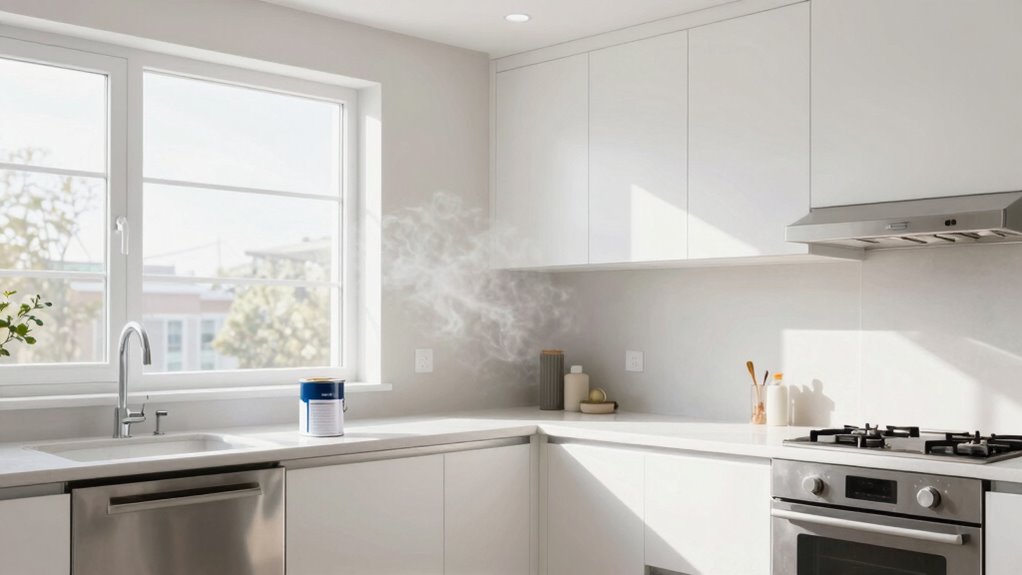
When you’re choosing building materials and household products, opting for low-VOC options can considerably improve indoor air quality. These products release fewer volatile organic compounds, which means fewer fumes and less odor. However, simply selecting low-VOC materials isn’t enough to guarantee a healthy indoor environment. Proper ventilation remains essential because it helps disperse any residual emissions and maintains fresh air circulation. While low-VOC products contribute to better indoor air quality, they don’t eliminate all airborne pollutants, especially over time. Without adequate ventilation, these chemicals can linger in your space, gradually affecting your health and comfort.
Good ventilation also plays a vital role in maintaining product longevity. When air moves freely through your home, it prevents moisture buildup and reduces the risk of mold growth, which can damage surfaces and reduce the lifespan of your materials. Even low-VOC products can degrade faster if exposed to high humidity or stagnant air. Proper airflow helps preserve the integrity of paints, finishes, and furnishings, ensuring they last longer and perform as intended. Inadequate ventilation can cause these materials to deteriorate prematurely, negating some of the benefits of choosing low-VOC options in the first place. Additionally, indoor air quality can be significantly improved through proper ventilation, which helps remove airborne pollutants and reduces health risks. It also supports the reduction of chemical buildup that can occur over time in enclosed spaces.
Proper airflow extends material lifespan by preventing moisture buildup and mold growth.
You might think that choosing low-VOC products reduces the need for ventilation, but that’s a misconception. These products are designed to emit fewer harmful chemicals, but they don’t emit none. Over time, even low-VOC substances release some volatile compounds, especially in enclosed spaces. Without proper ventilation, these compounds can accumulate, reducing indoor air quality and possibly leading to health issues like headaches, respiratory irritation, or allergies. Good ventilation helps dilute these emissions, ensuring that the air remains fresh and safe for everyone in your home. Additionally, proper ventilation can help mitigate the effects of poor air circulation that can exacerbate indoor air quality issues.
Additionally, proper ventilation supports the overall indoor environment by controlling temperature and humidity levels. This is especially important when you’re using products like paints, adhesives, or cleaning agents. Maintaining ideal airflow prevents indoor air from becoming stale or overly humid, which can compromise the effectiveness of low-VOC products and cause quicker deterioration. Properly ventilated spaces also help control airborne pollutants, further enhancing indoor safety. Ultimately, combining low-VOC product choices with effective ventilation creates a healthier, more durable indoor space. It’s not just about reducing chemical exposure but also about fostering an environment where your investments in quality materials last longer, and your indoor air stays clean and safe.
As an affiliate, we earn on qualifying purchases.
Frequently Asked Questions
How Quickly Do Low-Voc Fumes Dissipate Indoors?
Low-VOC fumes typically dissipate within a few hours to a couple of days, depending on ventilation and room size. As you ventilate your space, indoor air quality improves, and fume concentration drops quickly. To speed up this process, open windows, use fans, and maintain good airflow. Keep in mind, even after fumes fade, proper ventilation continues to support healthier indoor air quality.
Can Ventilation Remove All Indoor Air Pollutants?
Can ventilation remove all indoor air pollutants? Not entirely. While good airflow markedly improves air quality and helps dilute VOCs and other contaminants, some pollutants cling to surfaces or linger in hidden spots. Building codes recommend proper ventilation, but they don’t guarantee complete removal. You need a combination of ventilation, source control, and air purification to truly guarantee your indoor environment stays safe and healthy.
Are Low-Voc Products Safe for Children and Pets?
Low-VOC products are generally safer for children and pets, but they’re not completely risk-free. You should prioritize child safety and pet health by choosing products with verified low emissions. Even with low-VOC options, good ventilation helps reduce any residual fumes, keeping indoor air quality high. Always read labels carefully, and consider additional measures like air purifiers to guarantee a safe environment for your little ones and furry friends.
What Types of Ventilation Are Most Effective?
A gust of fresh air is priceless, so choosing the right ventilation is key. You’ll find that exhaust fans, especially in kitchens and bathrooms, improve air quality by removing pollutants efficiently. Mechanical ventilation systems like HRVs or ERVs boost ventilation efficiency by exchanging stale indoor air with fresh outdoor air. Additionally, open windows regularly to promote cross-ventilation, ensuring your home remains healthy and your air quality stays high.
How Often Should Ventilation Systems Be Maintained?
You should maintain your ventilation systems at least every 6 to 12 months to guarantee ideal air exchange and filter performance. Regular filter maintenance prevents dust and pollutants from recirculating, improving air quality. If you notice reduced airflow or increased dust, consider more frequent checks. Proper maintenance keeps your system efficient, helps control VOCs, and ensures your space remains healthy and well-ventilated.
Conclusion
Even with low-VOC products, good ventilation remains essential. While proponents argue these products emit fewer harmful fumes, studies suggest that residual VOCs can still pose health risks over time. Ventilation helps disperse these lingering chemicals, reducing indoor air pollution. Don’t assume low-VOC means no risk—acknowledge the science showing that proper airflow supports healthier indoor environments. Ultimately, combining low-VOC products with effective ventilation offers the best defense against indoor air quality issues.
Fall yard work Picks
leaf blowers
As an affiliate, we earn on qualifying purchases.