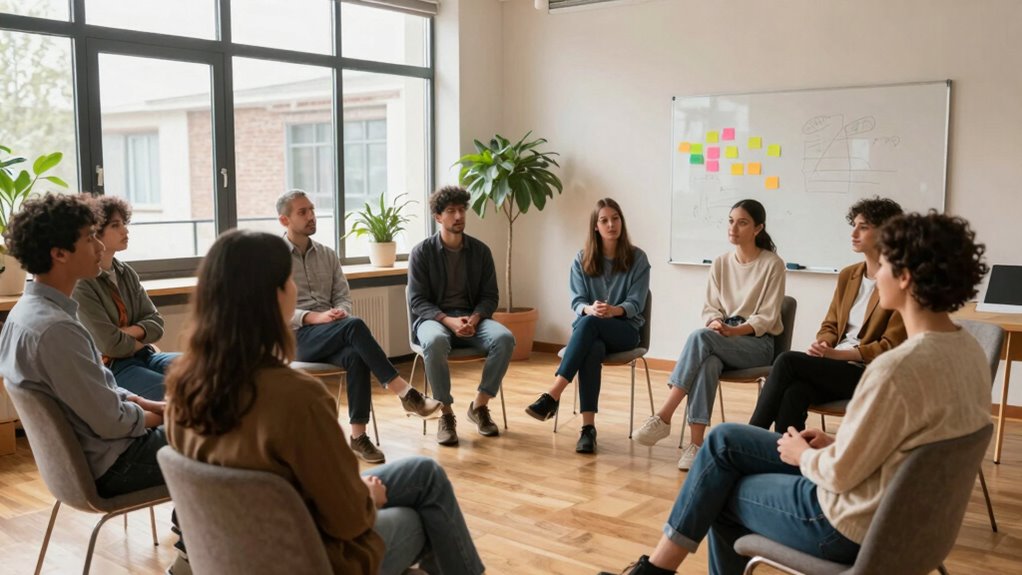

Listening sessions help you directly engage with community members, allowing them to share experiences and insights. This open dialogue shapes policies that truly reflect community needs and fosters cultural awareness. As you listen actively, you’ll build understanding, reduce stereotypes, and resolve conflicts more effectively. These sessions empower participants, strengthen communication skills, and promote inclusive growth. If you keep exploring, you’ll discover even more ways these conversations create stronger, more resilient communities.

Get garden gear delivered free with Prime
- Fast, free delivery on millions of items
- Prime Video, Amazon Music and more included
- Member-only deals all year
Key Takeaways
- Listening sessions facilitate open dialogue, allowing residents to share experiences and insights that inform community learning and policy development.
- They promote cultural awareness by exposing diverse perspectives, fostering mutual understanding and reducing stereotypes.
- These sessions enhance communication skills, encouraging active listening, clarifying questions, and respectful dialogue.
- By fostering collaboration, listening sessions empower community members, promoting shared responsibility and collective problem-solving.
- They strengthen community cohesion and resilience by building trust, addressing conflicts constructively, and creating inclusive environments.
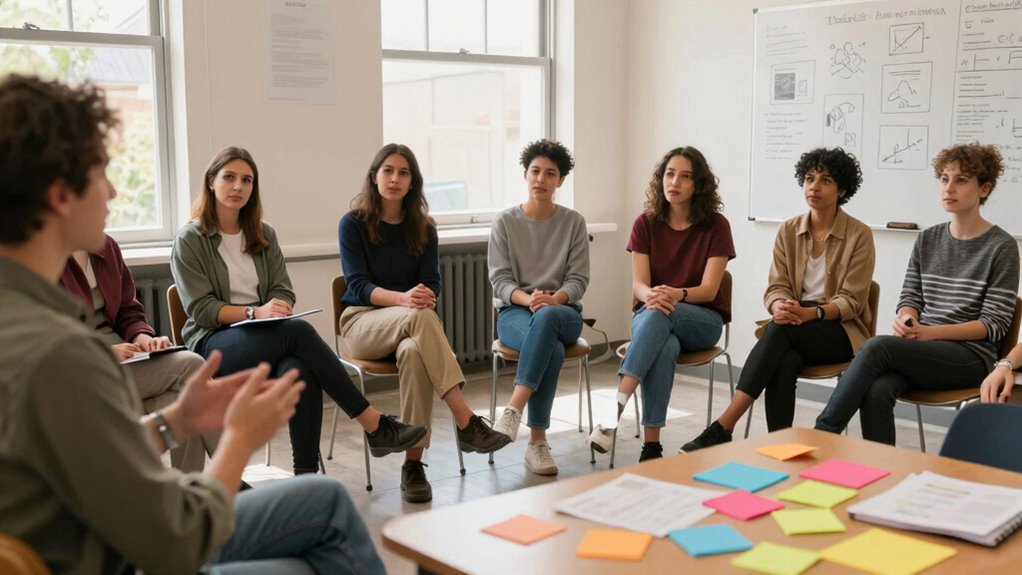
Listening sessions have become an essential tool for fostering community learning, allowing residents to share their experiences and insights directly with decision-makers. When you participate in these sessions, you’re not just voicing your concerns—you’re helping shape policies and initiatives that reflect your community’s true needs. This open dialogue nurtures cultural awareness by exposing everyone involved to diverse perspectives and backgrounds. As you listen to others’ stories, you gain a deeper understanding of different cultural practices, values, and challenges that may have previously gone unnoticed. This understanding fosters empathy, breaks down stereotypes, and creates a shared sense of respect among community members.
Listening sessions build understanding and respect by sharing diverse perspectives and community stories.
Moreover, listening sessions serve as a platform for conflict resolution. When tensions or misunderstandings arise, they often stem from miscommunication or a lack of awareness about others’ experiences. By providing a safe space for honest dialogue, you can address these issues directly, finding common ground and working toward solutions. Hearing firsthand accounts helps you see conflicts from multiple angles, which is essential for fostering mutual understanding and cooperation. As you listen actively, you begin to appreciate the complexities behind disagreements, making it easier to facilitate resolutions that acknowledge everyone’s concerns. Additionally, incorporating diverse perspectives into discussions can lead to more innovative and inclusive solutions that benefit the entire community.
Participating in these sessions also enhances your ability to communicate effectively. You learn to listen without judgment, ask clarifying questions, and articulate your thoughts clearly. These skills are essential for building bridges between diverse groups within your community. When you understand the importance of cultural awareness, you’re more likely to approach conflicts with sensitivity and patience, seeking solutions that honor different perspectives. This process is strengthened by understanding the value of community engagement, which encourages ongoing participation and trust-building. Over time, this approach helps create an environment where disagreements are addressed constructively, and community bonds are strengthened.
Additionally, listening sessions empower you to become an active participant in community development. They encourage collaborative problem-solving, where everyone’s voice matters. Through this process, you develop a sense of ownership and responsibility for the community’s well-being. As you engage regularly, you’ll notice that conflicts are less frequent and easier to resolve because relationships are built on mutual understanding and respect. This collective learning process promotes inclusive growth, ensuring that all voices—regardless of background—are heard and valued.
In essence, listening sessions are more than just forums for discussion—they’re indispensable tools for cultivating cultural awareness and resolving conflicts. By actively participating, you help foster a more understanding, unified, and resilient community where everyone feels seen, heard, and respected.
listening session facilitation tools
As an affiliate, we earn on qualifying purchases.
As an affiliate, we earn on qualifying purchases.
Frequently Asked Questions
How Do You Ensure Diverse Community Participation in Listening Sessions?
You guarantee diverse community participation in listening sessions by actively addressing cultural sensitivity and language barriers. You can do this by offering translation services, providing culturally relevant materials, and creating an inclusive environment where everyone feels respected. Reach out through various channels, engage community leaders, and schedule sessions at accessible times and locations. This approach encourages broader participation, ensuring all voices are heard and valued in the community learning process.
What Are Common Challenges Faced During Community Listening Sessions?
You often face challenges like community biases and power dynamics that can hinder open dialogue during listening sessions. These biases may cause certain voices to dominate, while others remain unheard. Power imbalances can make marginalized groups hesitant to share openly. To overcome these, you need to create a safe, inclusive environment, actively facilitate balanced participation, and address biases directly, ensuring everyone feels valued and heard.
How Do You Measure the Impact of Listening Sessions on Learning?
Ever wondered how you can measure the impact of listening sessions on learning? You can do this by gathering qualitative feedback from participants and analyzing their responses for common themes and insights. Data analysis helps you understand shifts in attitudes, knowledge, or engagement over time. By tracking these changes, you clearly see how listening sessions influence community learning, making it easier to refine your approach and guarantee meaningful progress.
What Skills Are Essential for Facilitators of Listening Sessions?
You need strong active listening skills and conflict resolution abilities to facilitate listening sessions effectively. Active listening helps you truly understand participants’ perspectives, fostering trust and openness. Conflict resolution skills enable you to manage disagreements calmly and constructively, ensuring everyone feels heard. Being empathetic, patient, and adaptable also helps you create a safe environment. With these skills, you guide conversations smoothly and build stronger community connections through meaningful dialogue.
How Can Technology Enhance Community Listening Experiences?
Imagine technology as a bridge that connects voices across distances. You can leverage virtual engagement tools to include more community members in listening sessions, making participation seamless. Augmented feedback offers real-time insights, helping you understand community concerns instantly. This combination transforms listening experiences into dynamic dialogues, where technology amplifies voices and fosters deeper understanding, ultimately strengthening community bonds and creating a more inclusive environment.
Conclusion
So, next time you host a listening session, imagine a giant megaphone turned inward, drowning out your own voice while everyone else’s thoughts echo back like a boisterous chorus. It’s not just about hearing; it’s about truly listening—like a sponge soaking up every drop of community wisdom. When you do, you’ll find your community’s ideas flow smoother than a well-oiled machine, transforming chaos into harmony—one conversation at a time.
Halloween Picks
halloween
As an affiliate, we earn on qualifying purchases.