
Measuring Earth Day’s impact is tricky because success isn’t just about big events or recycling drives. You can see signs like more conversations on climate change and community activities, but tracking real environmental change is complex. Engagement boosts awareness and habits, yet it doesn’t always lead to measurable emission reductions. The true impact often feels unquantifiable but remains essential for long-term progress—if you want to understand how these efforts truly shape our planet, keep exploring further.
Key Takeaways
- Success is often gauged through increased awareness, community participation, and local environmental activities, though quantifying long-term impact remains complex.
- Community engagement fosters eco-friendly habits and awareness, serving as vital indicators despite challenges in directly measuring emission reductions.
- Tracking measurable outcomes like carbon footprint reduction is difficult, with many efforts lacking sustainability or scale over time.
- The significance of Earth Day lies in raising consciousness and inspiring behavioral change, which are essential for long-term environmental progress.
- Despite measurement challenges, Earth Day’s global mobilization and ongoing participation highlight its vital role in fostering environmental responsibility.

Ever wonder how much impact Earth Day truly has on environmental awareness and action? It’s a question many people ask as they see the annual celebrations, community projects, and media coverage. The truth is, measuring Earth Day’s success isn’t straightforward. While it’s easy to recognize increased conversations about climate change or more recycling bins in neighborhoods, quantifying the event’s real impact on reducing individual or collective carbon footprints takes more effort. Still, the effort to gauge its effectiveness is essential because it helps shape future initiatives and encourages deeper community engagement.
Measuring Earth Day’s impact is complex but essential for future environmental efforts.
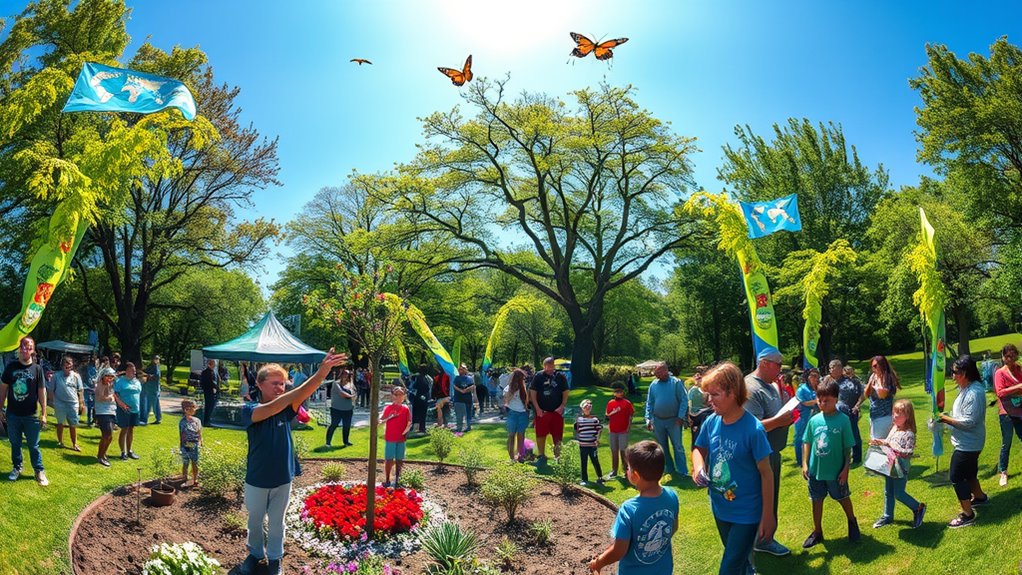
When you consider the influence of Earth Day, community engagement stands out as a key indicator of success. The day sparks thousands of local events—planting trees, clean-up drives, workshops—that get people physically involved. These activities foster a sense of ownership and responsibility, which can lead to lasting environmental habits. The more communities participate, the more likely they are to sustain environmentally friendly behaviors beyond April 22. For example, when residents team up for a neighborhood cleanup, they’re not just removing trash—they’re also raising awareness and motivating others to adopt similar practices. This ripple effect amplifies Earth Day’s impact far beyond a single day, helping to embed eco-conscious habits into everyday life.
However, community engagement alone doesn’t automatically translate into measurable reductions in carbon footprint. It’s one piece of the puzzle. While these events raise awareness and encourage action, tracking whether they lead to long-term behavioral change or reduced emissions is more complex. Some organizations attempt to quantify the impact by surveying participants about changes in their habits or by monitoring local pollution levels. Yet, these measures often fall short of capturing the full scope of Earth Day’s influence. For instance, a community might plant trees or organize recycling drives, but if those actions aren’t sustained or scaled, their overall impact on carbon emissions remains limited.
Despite these challenges, the importance of community engagement cannot be overstated. It’s the foundation that motivates individuals to rethink their choices and adopt more sustainable lifestyles. Earth Day acts as a catalyst, inspiring people to evaluate their own carbon footprint and take tangible steps to reduce it. While measuring precise outcomes remains difficult, the collective enthusiasm and participation generated each year are undeniable proof that Earth Day continues to mobilize communities worldwide. It’s a reminder that, even if the direct impact on emissions is hard to quantify, building awareness and fostering community-driven action are essential steps toward a healthier planet.
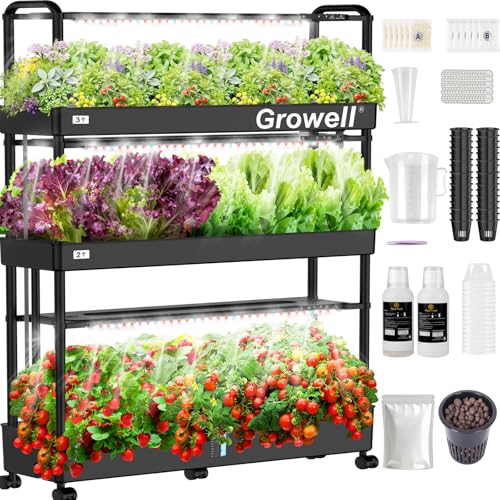
Large Hydroponics Growing System Kit, 48 Pods Vertical Hydroponic Garden, with 48 Large Buckets, 40L Indoor Garden System for Herb Vegetable Fruit, with 2 Light Modes, Auto Circulating Water System
3-Tier Large Hydroponics Growing System: Boasting 48 pods paired with 48 large 3-inch planting buckets. Growell vertical hydroponics...
As an affiliate, we earn on qualifying purchases.
Frequently Asked Questions
How Do Local Communities Tailor Earth Day Initiatives?
You tailor Earth Day initiatives by engaging your community and understanding local needs. You incorporate cultural adaptations to make activities relevant and meaningful, like planting native species or hosting traditional clean-up events. By involving local leaders and residents, you foster a sense of ownership and participation. This approach guarantees that your efforts resonate with the community, creating a lasting impact and encouraging ongoing environmental awareness and action.
What Role Do Businesses Play in Earth Day Success?
You play a crucial role in Earth Day’s success by embracing corporate responsibility and forming environmental partnerships. Businesses can reduce their carbon footprint, support sustainable practices, and promote eco-friendly initiatives. Your company’s commitment to these efforts not only boosts community awareness but also inspires others to take action. By actively participating, you help create a more sustainable future and amplify the impact of Earth Day globally.
Are There Any Measurable Health Improvements Linked to Earth Day?
You might wonder if Earth Day has led to measurable health improvements. While direct links are challenging to prove, efforts on Earth Day raise awareness about air quality issues, which can boost public health. Improved air quality reduces respiratory problems and allergies, benefiting communities. By encouraging cleaner air policies and individual actions, Earth Day contributes to healthier environments and public health, even if specific measurements vary across regions.
How Has Earth Day’s Message Evolved Over Decades?
You’ve seen Earth Day’s message evolve from simple conservation efforts to a powerful call to action on climate change. Over decades, the focus shifted as awareness grew—today, 76% of Americans recognize climate change as a major issue. This evolution inspires you to participate actively, understanding that Earth Day now emphasizes urgent environmental policies, renewable energy, and sustainable living, making your role essential in addressing global challenges.
What Are the Future Goals for Earth Day’s Impact?
You want to know Earth Day’s future goals. You can expect a focus on strengthening climate resilience and promoting renewable energy. As awareness grows, you’ll see more initiatives encouraging communities to adapt to climate change and shift to sustainable energy sources. Your involvement can help push for policies and actions that protect the planet, ensuring a healthier, more sustainable future for generations to come.
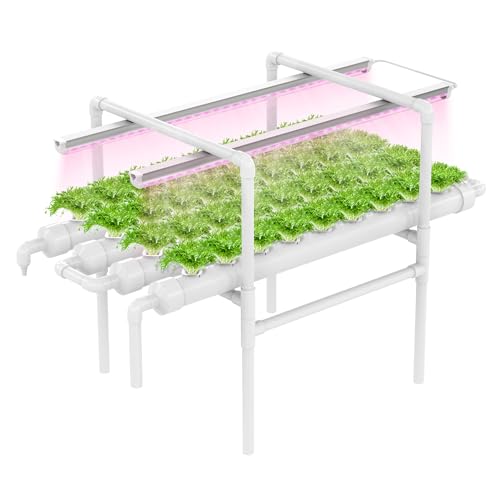
DPROOTS NFT Hydroponic Growing System Kit - Full-Spectrum Grow Lights & Timer | 36 Plant Sites | Food-Grade PVC-U Pipes | Auto Water Pump & Timer | Indoor Gardening for Leafy Greens, Lettuce & Herbs
Ideal for beginners & kids eager to learn hydroponics, this system uses PVC-U pipes. Based on testing, most...
As an affiliate, we earn on qualifying purchases.
Conclusion
So, after all the efforts and progress, it’s ironic that Earth Day still feels like just a drop in the ocean. You’ve seen the successes, yet the challenges remain stubbornly persistent. Maybe it’s a reminder that while one day of awareness is good, truly saving the planet takes year-round commitment. So, go ahead—celebrate Earth Day, but don’t forget: the real impact happens when you keep fighting long after the spotlight’s gone.
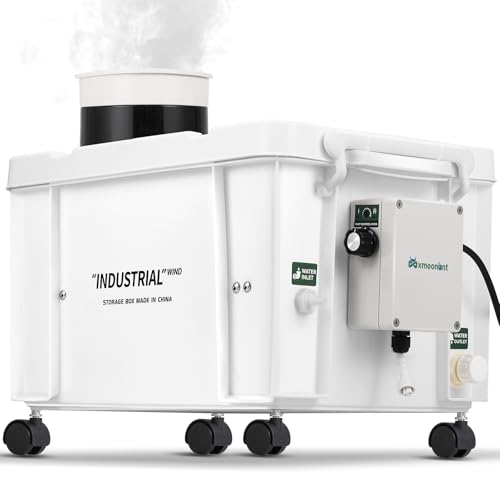
Mxmoonant 10kg/H Ultrasonic Mist Maker DIY Humidifier Kit, Adjustable Mist Volume | Automatic Water Filling | Humidity Controller Cool Mist Humidifier for Mushroom Growing, Greenhouses 110V
Powerful Mist Output: Enjoy a pleasant mist experience with our humidifier. Equipped with 10 head ultrasonic mist makers,...
As an affiliate, we earn on qualifying purchases.

YMJOINMX Commercial & Industrial Cool Mist Humidifier 3L/H 1600Sq.Ft | Stainless Steel Auto-Fill Fogger with Timer | Automatic Humidity Control for Greenhouse Plants, Mushroom Farm
Powerful 3000ml/h Mist Output - With 4 fogging board and 150W motor, our industrial humidifier creates ultra-fine cool...
As an affiliate, we earn on qualifying purchases.