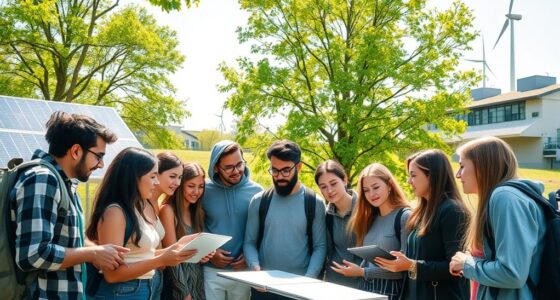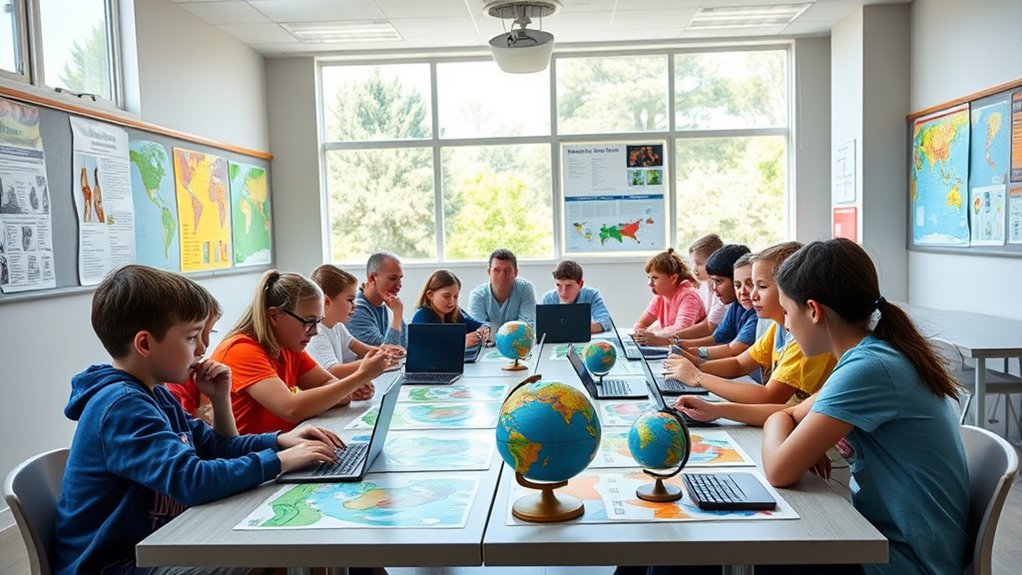

Climate simulations and classroom games make learning about climate change engaging and hands-on. You can use interactive activities like role-plays, negotiation games, and online tools to help students understand complex ideas such as carbon footprints and policy impacts. These activities encourage critical thinking, collaboration, and real-world problem-solving. By actively participating, students see how individual choices matter and how global efforts work together. Keep exploring how these tools can transform your climate education experience.

Get garden gear delivered free with Prime
- Fast, free delivery on millions of items
- Prime Video, Amazon Music and more included
- Member-only deals all year
Key Takeaways
- Interactive simulations and games make complex climate topics engaging and help students understand environmental impacts.
- Role-play activities allow students to explore policymaking, negotiations, and collaborative climate solutions.
- Carbon footprint calculations encourage personal responsibility and demonstrate how daily choices affect the environment.
- Classroom games like climate negotiations teach international cooperation and the importance of collective action.
- Digital tools and visual simulations illustrate policy impacts and motivate critical thinking on sustainable practices.
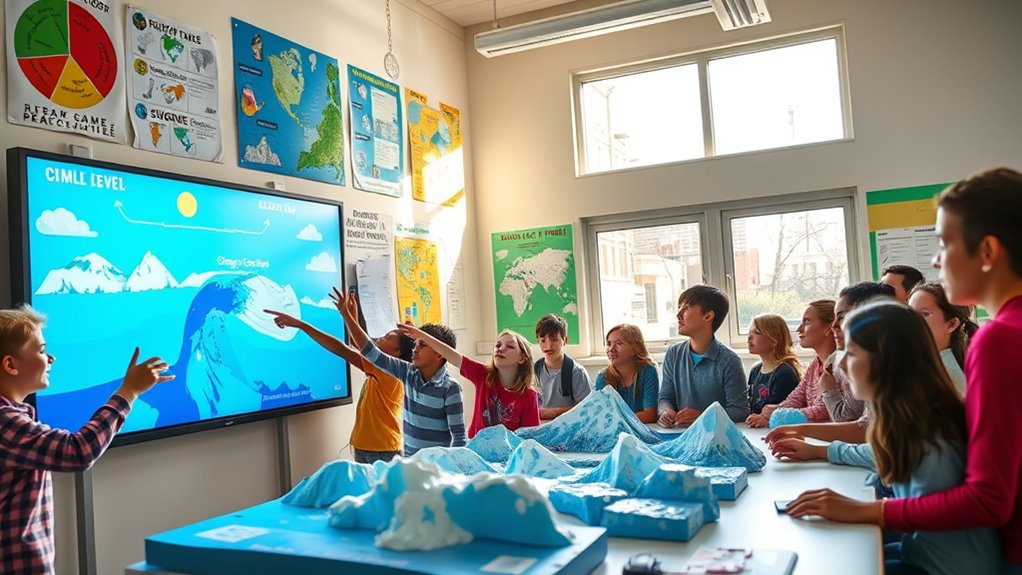
Have you ever wondered how to make climate change topics more engaging for students? One effective way is through interactive climate simulations and classroom games that put students in the driver’s seat of real-world environmental issues. These activities aren’t just fun—they help students grasp complex concepts like carbon footprints and renewable energy while fostering critical thinking and problem-solving skills. When students participate in simulations, they experience firsthand how everyday choices impact the environment, making abstract ideas more tangible and memorable.
Start by introducing the concept of a carbon footprint. Challenge students to calculate their own footprints based on their daily activities, such as transportation, diet, and energy consumption. Then, create a game where they can reduce their footprints by switching to renewable energy sources, conserving water, or adopting sustainable habits. This hands-on approach makes the idea of individual responsibility concrete and personal. As students experiment with different strategies, they see how collective efforts could lead to meaningful change, highlighting the importance of renewable energy in reducing greenhouse gas emissions.
Calculate your carbon footprint and explore sustainable habits to make a real difference.
Incorporate role-play simulations where students act as policymakers, energy company executives, or community leaders. They can debate policies on renewable energy incentives, carbon taxes, or urban planning to reduce emissions. These scenarios encourage students to consider multiple perspectives and understand the complexities of implementing climate solutions. Through active participation, they learn that addressing climate change requires collaboration, innovation, and commitment—lessons that stick when they’re directly involved in the process.
Another engaging activity involves classroom games that simulate the global climate negotiations, such as the Paris Agreement. Students can represent different countries and negotiate climate targets, trading emissions allowances or proposing renewable energy funding. This not only teaches them about international cooperation but also demonstrates how policy decisions can influence environmental outcomes. By competing or collaborating within these simulations, students develop a deeper understanding of the interconnectedness of climate issues and the importance of collective action.
Finally, you can use digital climate simulation tools or online game platforms that model the impact of various energy policies or lifestyle choices over time. These tools help students visualize how small changes, like switching to solar power or reducing car travel, can collectively lead to significant reductions in carbon emissions. The visual and interactive nature of these resources makes the abstract concepts more concrete and motivates students to think critically about their own choices. Additionally, incorporating SQA Best Practices such as regular assessments and feedback can enhance the effectiveness of these activities. The visual and interactive nature of these resources makes the abstract concepts more concrete and motivates students to think critically about their own choices. Overall, integrating climate simulations and classroom games into your teaching transforms learning into an immersive experience. It turns theoretical knowledge into practical understanding, empowering students to see themselves as part of the solution. When students grasp the real-world implications of their actions and understand the role of renewable energy, they’re more likely to develop sustainable habits and advocate for meaningful change.
climate change classroom simulation kits
As an affiliate, we earn on qualifying purchases.
As an affiliate, we earn on qualifying purchases.
Frequently Asked Questions
How Can Teachers Assess Student Understanding Through These Activities?
You can assess student understanding by observing their engagement during activities and asking targeted questions to gauge concept mastery. Encourage students to explain their reasoning or decision-making processes, which reveals their level of comprehension. You might also use quick quizzes or reflections afterward to identify areas where students excel or need more support. This active approach helps you tailor your instruction, ensuring students grasp key concepts through meaningful participation.
What Are the Costs Associated With Implementing Climate Simulations?
Sure, the costs of climate simulations might seem intimidating, but it’s all about balancing budget concerns with the technical requirements. You’ll need funding for software licenses, hardware upgrades, and teacher training—yet, the real investment pays off in student engagement and understanding. Ironically, while the upfront costs can be high, the long-term educational benefits make it a worthwhile expense, transforming your classroom into a climate-conscious hub.
Are There Any Age Restrictions for Participating in Classroom Climate Games?
You can typically find age restrictions for classroom climate games based on age groups and participation limits. Most games are designed for specific age ranges, such as elementary, middle, or high school students, to make certain they’re appropriate and engaging. Always check the guidelines provided by the game organizers, as they often specify participation limits to maintain a balanced and effective learning environment for each age group.
How Do These Activities Align With Existing Science Curricula?
You’ll find these activities fit seamlessly into your science curriculum, transforming it into an immersive, mind-blowing experience. They promote curriculum integration by connecting climate concepts with real-world applications, making learning unforgettable. These activities boost educational outcomes by engaging students actively, fostering critical thinking, and encouraging teamwork. You won’t just teach science; you’ll ignite a passion for environmental issues, ensuring your students grasp complex ideas with enthusiasm and clarity.
What Technology Is Required to Run Digital Climate Simulation Games?
To run digital climate simulation games, you need a computer or tablet with sufficient processing power and a stable internet connection. Virtual reality headsets can enhance immersion, while data analytics tools help interpret results. Make certain your device supports the game software, and install any necessary updates. These technologies allow you to explore climate scenarios interactively, making complex concepts accessible and engaging for students.
Conclusion
As you step back from these simulations and games, imagine yourself standing on a vibrant, shifting planet, where your choices ripple through the atmosphere like gentle breezes or fierce storms. These tools don’t just teach facts—they paint a vivid picture of our world’s delicate balance. By engaging with them, you become part of the story, shaping a future where understanding and action can turn the tide. Together, you hold the power to nurture our planet’s next chapter.
Halloween Picks
halloween
As an affiliate, we earn on qualifying purchases.