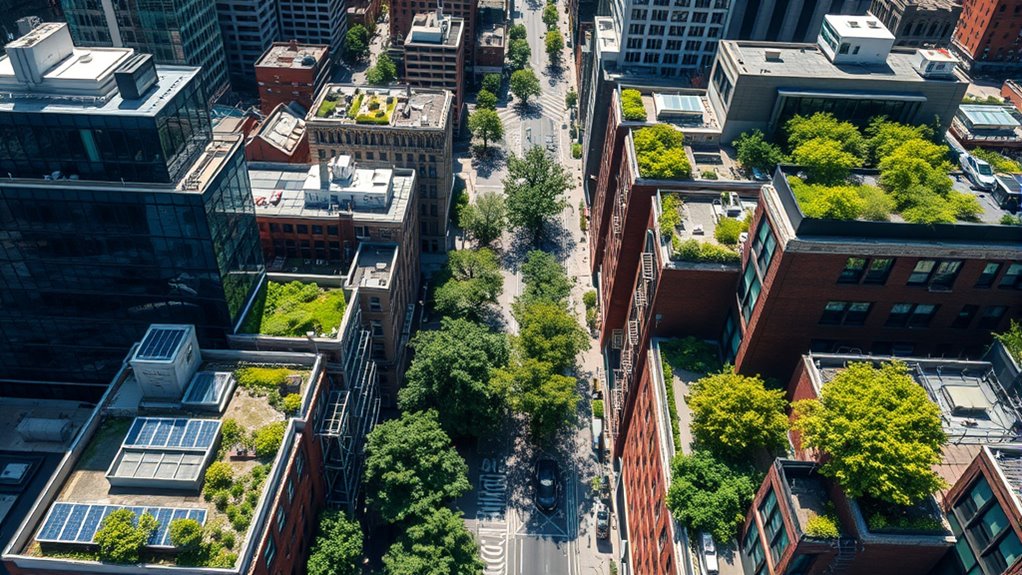

To tackle urban heat islands, you can incorporate cooling strategies like green roofs and reflective pavements. Green roofs help insulate buildings, improve air quality, and support biodiversity, while reflective surfaces bounce sunlight away, reducing surface temperatures. Both methods lower the city’s overall heat levels, enhance urban comfort, and cut energy costs. They can be applied to new or existing structures with minimal disruption. Keep exploring to uncover more effective ways to create cooler, more sustainable cities.
Key Takeaways
- Implement green roofs to provide natural insulation, reduce building heat absorption, and support urban biodiversity.
- Use reflective pavements on streets and sidewalks to reflect sunlight and lower surface temperatures.
- Integrate urban planning strategies that combine green infrastructure and reflective surfaces for comprehensive heat mitigation.
- Promote multifunctional solutions like green roofs with gardens or solar panels to maximize cooling and sustainability benefits.
- Engage communities in adopting cooling strategies, fostering awareness, and supporting resilient, climate-responsive urban development.
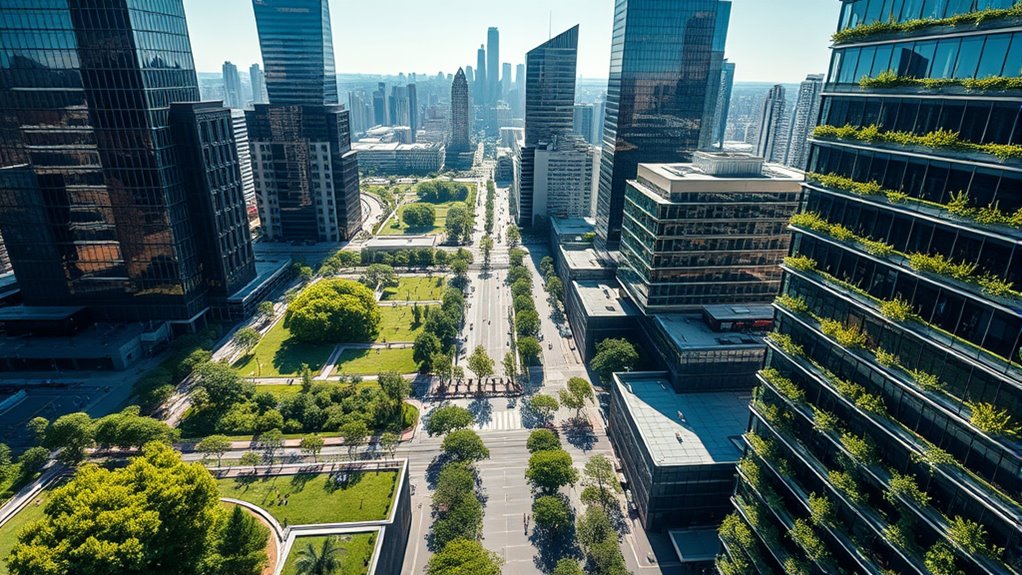
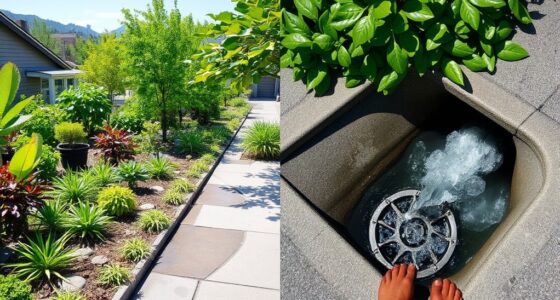
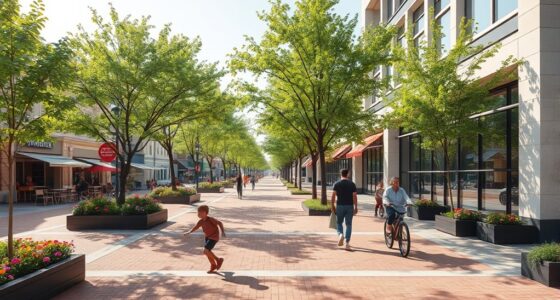
As global temperatures rise, cities face increasing challenges in managing urban heat. One effective way to combat this is through green roof implementation. By installing vegetation on rooftops, you can markedly reduce the amount of heat absorbed by buildings. Green roofs work by providing natural insulation, lowering indoor temperatures, and decreasing the heat that radiates into the surrounding environment. They also promote better air quality and support biodiversity in urban areas. When you choose to implement green roofs, you’re not only making buildings cooler but also contributing to a more sustainable cityscape. Alongside this, reflective pavement plays a vital role in reducing surface temperatures. Unlike traditional asphalt, which absorbs and retains heat, reflective pavement reflects sunlight away, decreasing the heat island effect. This simple yet effective change can make a noticeable difference in how hot a city feels during the summer months. When you pave streets, sidewalks, and parking lots with reflective materials, you’re actively reducing the heat that urban surfaces radiate. These strategies work together to create cooler, more comfortable environments for residents and visitors alike. Incorporating green roofs and reflective pavements into city planning requires some initial investment, but the long-term benefits are substantial. You’ll notice lower energy bills due to reduced cooling needs, improved air quality, and an overall enhancement in urban livability. Additionally, these strategies help mitigate the impact of heatwaves, which are becoming more frequent and severe. As you consider expanding your city’s cooling measures, think about integrating these approaches into new developments or retrofitting existing structures. Green roofs can be designed to include gardens, solar panels, or recreational spaces, making them multifunctional. Reflective pavement, meanwhile, can be implemented with minimal disruption, especially in high-traffic areas. Both solutions are scalable and adaptable to different urban environments. When you adopt these strategies, you’re not just reacting to the heat; you’re proactively designing cities that are resilient to climate change. These measures also help reduce energy consumption and greenhouse gas emissions, aligning with broader sustainability goals. Incorporating urban planning strategies that prioritize green infrastructure is essential for creating resilient cities. Additionally, utilizing ultra beauty store hours and similar retail hours can facilitate community engagement and outreach programs related to urban cooling initiatives. Incorporating community involvement into planning processes ensures that cooling solutions meet the needs of diverse populations. To maximize effectiveness, it’s important to consider climate-responsive design principles that adapt to local environmental conditions. Furthermore, integrating innovative cooling technologies can enhance the efficiency of these strategies. When you implement these measures, you’re not only addressing current climate challenges but also preparing your city for future environmental changes.

MRCOOL 24000 BTU 230V Ductless Inverter Mini Split Air Conditioner & Heat Pump System, Easy Pro Series - Wall-Mounted AC Unit w/ Heating and Cooling for Home, Office & Commercial Space
Powerful Heating & Cooling Performance: Equipped with 24,000 BTU capacity for reliable temperature control and efficiently heats or...
As an affiliate, we earn on qualifying purchases.
Frequently Asked Questions
How Do Urban Heat Islands Impact Local Air Quality?
Imagine the city turning into a giant oven, with heat stress soaring and air pollution multiplying like wildfire. Urban heat islands trap heat, causing smog to linger longer and worsen air quality. You’d breathe in more pollutants, risking health issues. The increased temperature also accelerates the formation of ground-level ozone, making the air even more toxic. Basically, urban heat islands turn your city into a trap for dirty air and health hazards.
What Role Do Green Roofs Play in Urban Cooling?
Green roofs play a essential role in urban cooling by providing environmental benefits through urban greenery. They help reduce temperatures by absorbing heat and offering insulation, which keeps buildings cooler and lowers energy use. The green roof benefits extend beyond cooling, improving air quality and stormwater management. As you incorporate green roofs, you create a more comfortable, sustainable city environment, effectively mitigating the urban heat island effect.
Are There Any Economic Benefits to Implementing Cooling Strategies?
While the idea of economic incentives might seem overly optimistic, implementing cooling strategies offers tangible benefits. You can perform a cost-benefit analysis to see that these measures reduce energy costs, lower health-related expenses, and enhance property values. Over time, these savings outweigh initial investments, making cooling strategies financially prudent. As a result, your city gains resilience and economic robustness, turning climate adaptation into a smart, cost-effective choice.
How Can Community Participation Influence Urban Heat Island Mitigation?
Community participation plays a crucial role in urban heat island mitigation. Your engagement fosters stronger community support, making policy implementation smoother and more effective. When residents actively participate, they help identify local needs, promote awareness, and encourage sustainable practices like planting trees or reducing concrete use. Your involvement ensures that cooling strategies are tailored to your neighborhood’s unique conditions, leading to more successful and lasting environmental improvements.
What Are the Long-Term Maintenance Costs of Cooling Infrastructure?
You need to take into account the long-term maintenance costs of cooling infrastructure carefully. Maintenance budgeting is vital, as ongoing upkeep ensures infrastructure durability and effectiveness. Over time, costs may rise due to wear and tear, requiring regular repairs or upgrades. Investing in high-quality, durable materials initially can reduce future expenses. By planning for these long-term costs, you guarantee your cooling systems remain efficient and reliable, ultimately saving money and energy.
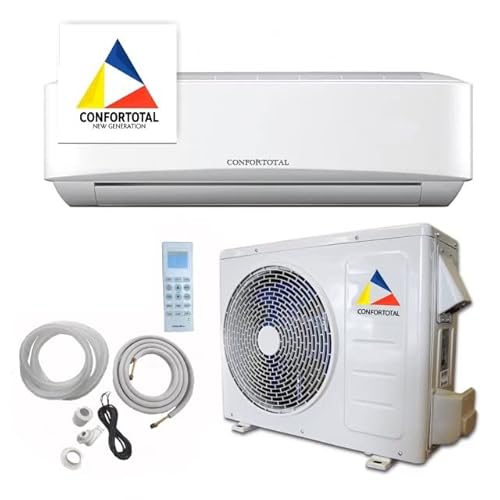
Confortotal 12000 BTU Mini Split Air Conditioner and Heat Pump 110V Ductless,1 ton,with WIFI Compatible with Alexa
Confortotal mini split with wifi compatible with Alexa & Google
As an affiliate, we earn on qualifying purchases.
Conclusion
Think of your city as a brave explorer venturing through a scorching desert. By planting trees, installing reflective surfaces, and creating green spaces, you’re equipping it with a cool oasis amidst the relentless heat. These strategies act like a revitalizing breeze, guiding your city toward relief. Together, you can transform urban heat islands into vibrant, cool havens—turning the journey from a fiery trek into a refreshing adventure you’ll be proud of.

Mountman 12000 BTU Mini Split AC/Heating System,19 SEER2 110/120V Energy Efficient Ductless Inverter System,Cools Up to 750 Sq.Ft with Pre-Charged Condenser,Heat Pump & Installation Kits
4 Flexible Modes for Year-Round Comfort :Choose from Cool, Heat, Dry, Fan modes to adapt to any season....
As an affiliate, we earn on qualifying purchases.

DELLA Serena 22 SEER2 12000 BTU Mini Split Heat Pump Works with Alexa, Energy Star 1 Ton Pre-Charged 230V Ductless AC Unit Inverter Air Conditioner System for Rooms up to 550Sq.Ft, 16.4ft Install Kit
Stay Cool, Stay Smart: Experience seamless smart home integration with Alexa/Google Home voice control or the DELLA app...
As an affiliate, we earn on qualifying purchases.