
Urban agriculture zoning involves engaging your community to decide where food activities can happen in the city. It requires balancing regulation and flexibility, ensuring farming areas fit local needs while addressing concerns like safety and land use. Good zoning encourages ongoing feedback, allowing policies to evolve with city growth. This strategy helps create vibrant local food systems and resilient neighborhoods. Keep exploring to discover how effective zoning shapes sustainable urban food futures.
Key Takeaways
- Community engagement ensures policies reflect local needs and fosters support for urban agriculture zoning initiatives.
- Zoning designates specific areas for farming, gardening, and food-related activities with clear regulations.
- Balancing regulation and flexibility addresses concerns like safety, noise, and land use conflicts.
- Continuous policy refinement incorporates community feedback to adapt to evolving urban agricultural practices.
- Effective zoning promotes local food systems, enhances resilience, and supports sustainable urban environments.

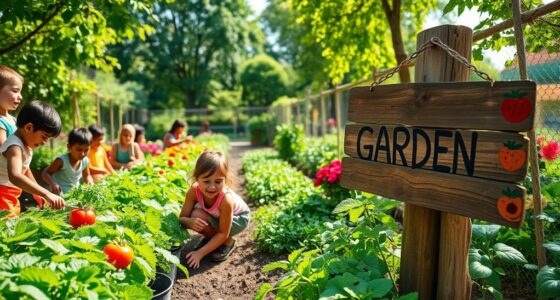
Have you ever wondered how cities can support local food production while managing land use effectively? Urban agriculture zoning plays a pivotal role in making this possible. It’s about creating policies that allow residents and entrepreneurs to grow food within city limits without conflicting with other land uses. To do this successfully, community engagement becomes indispensable. You need to involve local residents, farmers, urban planners, and policymakers in the decision-making process. When people have a say in how their neighborhoods develop, they’re more likely to support zoning measures that promote urban agriculture. This collaboration helps identify suitable locations, address concerns about land use conflicts, and guarantee that the policies reflect the community’s needs and values. As you work toward implementing these policies, clear communication and ongoing dialogue are fundamental to building trust and buy-in.
Community involvement is key to successful urban agriculture zoning policies.
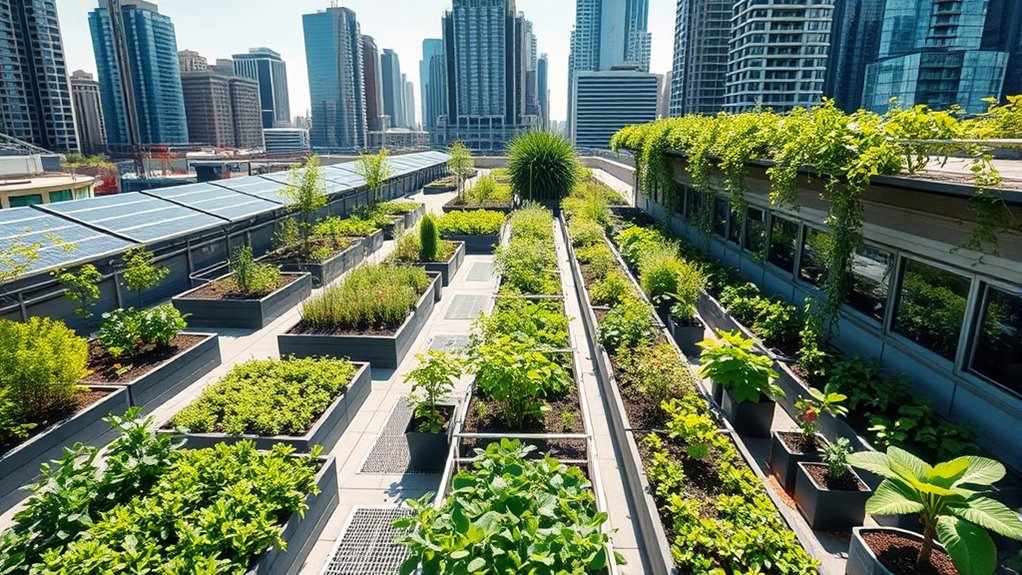
Policy implementation is the backbone of urban agriculture zoning. It involves translating community input into specific rules and regulations that designate certain areas for farming, gardening, or food-related activities. These policies can specify what types of agriculture are permitted, set standards for safety and sustainability, and define the boundaries of designated zones. For example, some cities create “urban farm zones” or “community garden districts” that prioritize small-scale, local food production. Effective policy implementation also includes establishing permitting processes, providing resources or incentives for urban farmers, and monitoring compliance. It’s important to balance flexibility with regulation so that urban agriculture can thrive without creating unintended issues, such as noise, runoff, or safety concerns.
Another essential aspect of urban agriculture zoning is making certain that policies are adaptable. As cities evolve and new challenges emerge, zoning regulations should be revisited and refined. This ongoing process benefits greatly from strong community engagement, as residents’ experiences and feedback can highlight what’s working and what’s not. Furthermore, policy implementation isn’t a one-time event but an ongoing effort that requires coordination among city departments, local organizations, and stakeholders. When done effectively, it creates a framework that encourages sustainable urban food production, enhances local food security, and fosters community resilience.
Ultimately, successful urban agriculture zoning hinges on the synergy between community engagement and policy implementation. When residents are actively involved and policies are thoughtfully executed, cities can support vibrant local food systems that enrich neighborhoods and promote sustainability. As you participate in shaping urban agriculture, remember that effective zoning isn’t just about land use—it’s about empowering communities to grow their own food, connect with nature, and build a more resilient urban environment.
Frequently Asked Questions
How Do Zoning Laws Vary Between Cities Globally?
You’ll notice zoning laws vary widely across cities globally, often reflecting local priorities and land use regulations. Some cities offer zoning flexibility, encouraging urban agriculture by allowing more types of land use, while others maintain strict regulations that limit such activities. These differences influence how easily you can develop urban farms or community gardens, depending on local policies. Understanding each city’s land use regulations helps you navigate opportunities for urban agriculture successfully.
What Are the Best Practices for Community Engagement?
You should prioritize community participation by actively listening to residents’ concerns and ideas. Foster stakeholder collaboration through regular meetings, workshops, and transparent communication. Encourage diverse voices, especially marginalized groups, to guarantee inclusive decision-making. Use social media, surveys, and local events to gather feedback. Building trust and showing that their input influences policies will strengthen community support and create more effective, sustainable urban agriculture initiatives.
How Can Urban Farms Be Financially Sustainable?
You can make urban farms financially sustainable by diversifying crops, managing soil effectively, and building strong community support. Crop diversification reduces risks and attracts customers with varied products, while proper soil management ensures healthy yields. Additionally, exploring diverse revenue streams like farm-to-table programs, workshops, and local partnerships helps maintain steady income. Focus on innovation and community engagement to create a resilient, thriving urban farm that sustains itself financially.
What Impact Does Zoning Have on Food Security?
Zoning directly impacts your access to fresh food by shaping land use, which can either reduce food deserts or worsen them. When zoning supports urban farms, it increases local food production, making healthy options more available. Conversely, restrictive zoning limits land use for agriculture, deepening food insecurity. You’ll find that smart zoning policies promote food security by encouraging diverse land use and supporting community-based food systems.
Are There Incentives for Urban Agriculture Development?
You might be surprised to learn that many cities offer policy incentives to boost urban agriculture development. These incentives often include tax breaks, grants, or streamlined permitting processes that encourage the creation of green spaces within urban areas. Such policies aim to support local food production, improve community health, and enhance environmental sustainability. By taking advantage of these incentives, you can actively contribute to transforming your city into a greener, more productive space.
Conclusion
So, after all this talk about zoning and urban farming, you might think city planners are enthusiastic to turn every rooftop into a vegetable patch. Ironically, their strict rules often make it harder to grow food than to find a parking spot. But hey, if you can navigate the red tape, you’ll find that urban agriculture isn’t just a dream — it’s the next big thing hiding in plain sight. Who knew zoning could be so delicious?