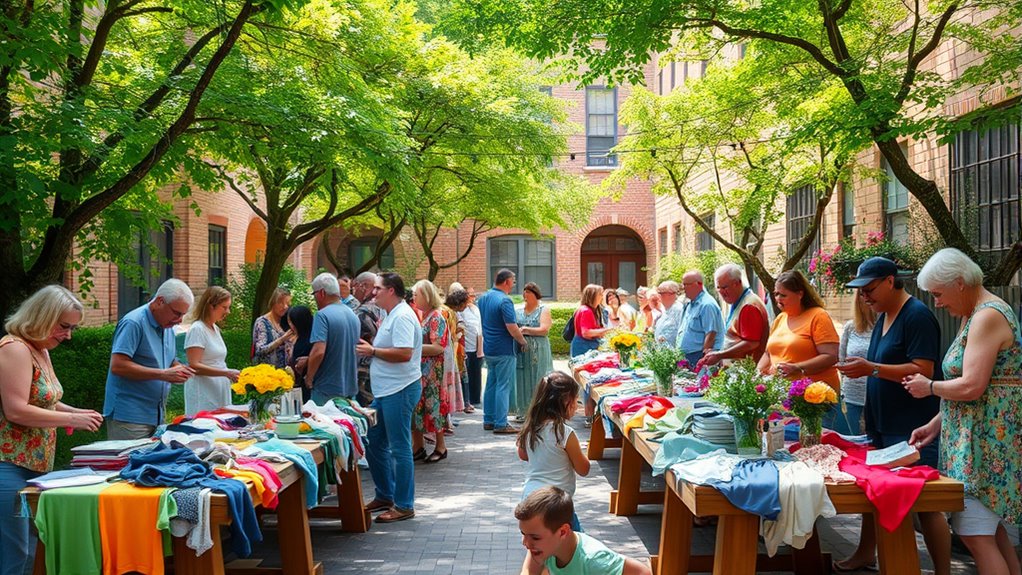

To host a neighborhood swap event, choose accessible locations like community centers or parks and promote it early through flyers and social media. Clearly communicate what items to bring, emphasizing sustainability by focusing on usable, eco-friendly goods such as clothing, books, and household items. Set up organized areas for easy browsing, assign volunteers for assistance, and encourage respectful sharing. If you keep exploring, you’ll discover more tips to make your event successful and environmentally impactful.

Get garden gear delivered free with Prime
- Fast, free delivery on millions of items
- Prime Video, Amazon Music and more included
- Member-only deals all year
Key Takeaways
- Select accessible, central locations and promote the event early through flyers, social media, and community networks.
- Clearly communicate guidelines on acceptable items, sustainability practices, and event logistics to participants.
- Organize designated areas for different categories and assign volunteers to assist and facilitate browsing.
- Incorporate community activities like workshops or performances to encourage engagement and foster neighborhood bonds.
- Gather feedback post-event to improve future swaps, ensure inclusive participation, and strengthen community involvement.
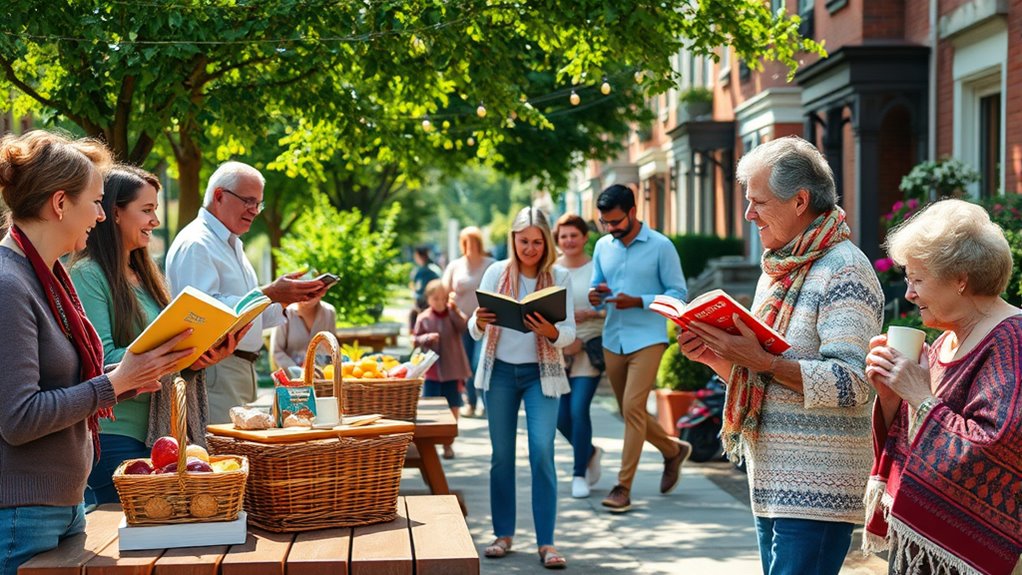
Neighborhood swap events are gaining popularity as a way for communities to reconnect and promote sustainability. These gatherings create a lively environment where neighbors exchange items, ideas, and skills, fostering a sense of belonging and shared purpose. To host a successful swap event, you need to focus on encouraging community engagement—making sure everyone feels included and motivated to participate. When residents see the benefits of sharing and reusing their belongings, they’re more likely to get involved, strengthening the bonds that hold your neighborhood together.
Start by choosing a convenient location, like a community center, park, or local hall, that’s accessible to most residents. Spread the word early through flyers, social media, and word-of-mouth. Clear communication is key, so let people know what to bring, what types of items are welcome, and any guidelines for the event. Emphasize the importance of sustainable practices by encouraging attendees to bring usable, clean items they no longer need—clothing, books, toys, household goods, and even small furniture. Highlight how swapping reduces waste and minimizes environmental impact, making it a win-win for everyone involved. Incorporating organic methods into the event’s messaging can further promote eco-friendly habits among community members.
On the day of the event, set up designated areas for different categories of items. Make it easy for participants to browse and select what interests them. Consider having volunteers on hand to help coordinate and answer questions, creating a welcoming atmosphere. To further boost community engagement, incorporate activities like DIY workshops, skill-sharing sessions, or local music performances. These activities encourage residents to interact, learn from each other, and deepen their connections beyond just trading items.
Encourage a culture of respect and fairness throughout the event. Remind attendees to take only what they need and to leave space for others to find items they might want. After the swap, consider giving participants a chance to provide feedback or suggest future events. This helps you understand what worked well and what could be improved, ensuring ongoing community involvement. Remember, the goal isn’t just to exchange goods; it’s to promote sustainable practices and foster a stronger community. When neighbors come together in this way, they create a more resilient, environmentally conscious neighborhood where everyone feels valued and connected.
Hosting a neighborhood swap event isn’t just about decluttering—it’s about building community, encouraging sustainable habits, and creating an event that residents look forward to attending again. With careful planning and a focus on engagement, you can turn a simple swap into a powerful tool for community growth and environmental stewardship.
neighborhood swap event supplies
As an affiliate, we earn on qualifying purchases.
As an affiliate, we earn on qualifying purchases.
Frequently Asked Questions
How Do I Promote a Neighborhood Swap Event Effectively?
To promote your neighborhood swap event effectively, leverage community partnerships by collaborating with local businesses and organizations to disseminate the word. Use digital marketing strategies like social media, email newsletters, and community forums to reach a wider audience. Encourage residents to share the event with friends and family. By combining community partnerships with digital marketing, you’ll generate excitement and ensure a successful swap event.
What Are Common Challenges in Hosting Swap Events?
Nearly 60% of organizers report challenges in maintaining community engagement and volunteer coordination. You might face issues like limited participation, fluctuating volunteer availability, or miscommunication. To overcome these, focus on clear communication, recruiting reliable volunteers early, and promoting the event through multiple channels. Building a strong team and fostering enthusiasm can help guarantee smooth operations and a successful swap event that benefits your community.
How Can I Ensure All Participants Feel Comfortable?
You can guarantee all participants feel comfortable by fostering community engagement and practicing cultural sensitivity. Greet everyone warmly, encourage respectful conversations, and set clear guidelines. Be mindful of diverse backgrounds, avoiding assumptions or stereotypes. Create a welcoming environment by listening actively and addressing concerns promptly. When participants see their culture is respected, they’ll feel more at ease, making the swap event enjoyable and inclusive for everyone.
Are There Legal Considerations for Swapping Items?
You should definitely check local regulations and consider liability insurance to protect yourself. While swapping items seems simple, legal considerations like ownership rights and safety standards matter. Liability insurance can cover potential accidents, and understanding local laws guarantees you’re compliant. Ignoring these steps might turn a fun event into a legal headache. So, plan ahead, get the necessary permits, and secure insurance to keep your neighborhood swap smooth and worry-free.
What Are Sustainable Practices for Swap Events?
To make your swap event sustainable, focus on climate-friendly initiatives and eco-conscious packaging. Encourage participants to bring items in reusable or biodegradable wrapping, reducing waste. Promote recycling and composting stations, and select a venue with eco-friendly practices. Educate attendees on sustainability, and partner with local eco-conscious businesses. These steps help minimize environmental impact, foster community awareness, and create a greener, more responsible swap experience for everyone involved.
Conclusion
Hosting a neighborhood swap brings communities together, fostering connection and sustainability. While it’s about sharing belongings, it’s also about exchanging stories and building trust. The act of swapping transforms clutter into community, turning possessions into memories. It’s a simple event with profound impact—reminding you that in giving, you often receive more. So, embrace the chaos, cherish the connections, and remember: sometimes, the most valuable exchanges happen when you least expect them.
Evergreen bestsellers Picks
bestsellers
As an affiliate, we earn on qualifying purchases.