
TL;DR

Get garden gear delivered free — and shop member deals
- Fast, free delivery on millions of items
- Access to Prime Big Deal Days deals on October 6–7
- Prime Video, Amazon Music and more included
The Cairo Governorate has officially denied reports that it cut down an ancient caper tree in Maadi District. The claim caused public concern, but authorities state no such removal occurred. The situation remains under investigation.
The Cairo Governorate has officially denied reports that it cut down an ancient caper tree in the Maadi District, amid widespread social media claims and public concern about the preservation of historic flora.
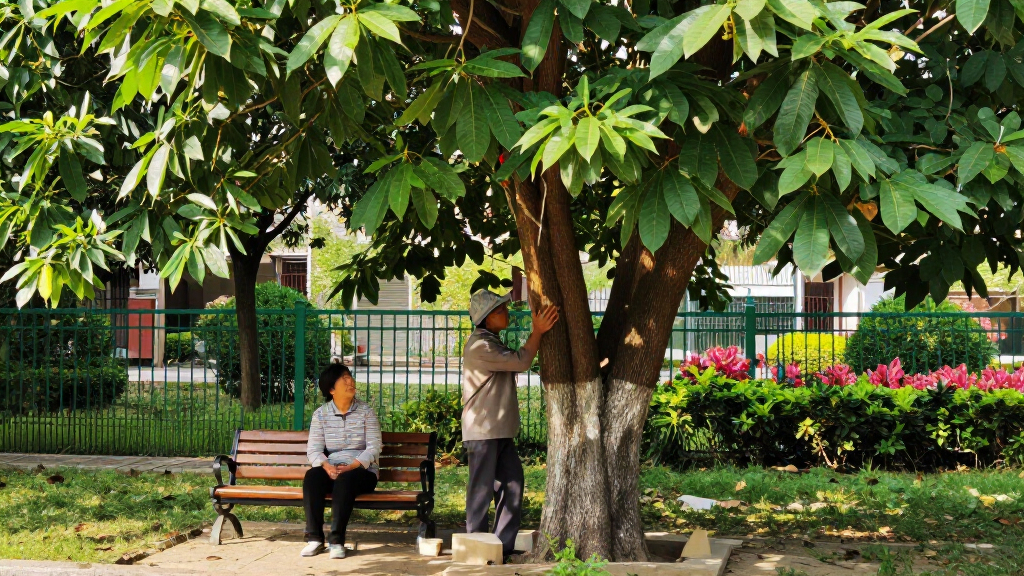
On April 27, social media users circulated images and claims that an ancient caper tree in Maadi had been felled by authorities. These reports sparked outrage among local residents and environmental advocates, who regard the tree as a significant historic and ecological landmark.
However, the Cairo Governorate issued a formal statement on its official website, cairo.gov.eg, asserting that no such tree has been cut or removed from the area. The statement emphasized that the authorities are committed to preserving Cairo’s natural and historical heritage and that any work affecting local flora is conducted with prior approval and proper procedures.
Officials did not specify the origin of the claims or whether the tree in question remains in place, but reiterated their commitment to transparency and environmental conservation.
Why the Denial Matters for Cultural and Environmental Conservation
This incident highlights the importance of clear communication between authorities and the public regarding environmental and heritage sites. The claim of the tree’s removal, whether accurate or not, has caused concern among residents and conservationists, reflecting the broader issue of protecting Cairo’s historic natural landmarks.
Maintaining trust in official statements is crucial, especially when social media can rapidly spread unverified claims that may influence public perception and local activism. The denial aims to reassure the community that the city’s natural and historical assets are safeguarded, but the situation underscores the need for transparent, ongoing dialogue about urban conservation efforts.
As an affiliate, we earn on qualifying purchases.
Background on the Maadi Caper Tree and Urban Conservation Efforts
The Maadi District is known for its lush greenery and historic sites, with several ancient trees and natural landmarks that are considered part of Cairo’s cultural heritage. The caper tree, in particular, is valued for its age and ecological significance, often regarded as a symbol of local history and biodiversity.
In recent years, urban development projects have occasionally raised concerns about the impact on such natural landmarks. While authorities have generally emphasized their commitment to conservation, disputes sometimes arise over land use and development plans.
The specific incident involving this particular tree gained attention due to social media posts claiming its removal, prompting an official response from Cairo’s local government.
“We confirm that no ancient or significant trees have been cut down in Maadi or any other district. The reports are unfounded.”
— Cairo Governorate spokesperson
Unverified Aspects of the Tree’s Status and Claims
It is not yet clear whether the tree in question remains in place or if there was any attempt to remove it that was halted or prevented. The origin of the social media claims remains unconfirmed, and no independent verification has been provided. Authorities have not detailed the specific location or condition of the tree, leaving some ambiguity about the situation’s full scope.Next Steps for Clarifying the Tree’s Status and Public Communication
Authorities are expected to conduct an inspection of the site and provide detailed updates regarding the status of the tree. Local residents and environmental groups are likely to seek further clarification and assurances from officials. Monitoring social media and official channels will be necessary to track any new developments or official disclosures.
Further investigations or site visits may determine whether the claims were based on misunderstandings, miscommunication, or actual threats to the tree’s preservation. The government might also reinforce policies on protecting natural landmarks in Cairo to prevent similar incidents.
Key Questions
According to an official statement from Cairo Governorate, no trees have been cut or removed from the area. The claims are denied and are considered unfounded at this time.
What evidence supports the claim that the tree was cut?
Social media posts and images circulating recently suggest the removal of the tree, but no verified or official evidence has confirmed these claims. The origin of the reports is still unclear.
Why is the tree significant to Maadi and Cairo?
The caper tree is valued for its age, ecological importance, and cultural symbolism within the local community. Its preservation is seen as part of maintaining Cairo’s natural heritage.
What actions are authorities taking regarding the situation?
The Cairo Governorate has denied the claims and announced plans to inspect the site. They also emphasized their commitment to environmental and heritage conservation.
Will there be further updates or investigations?
Yes, authorities are expected to conduct site inspections and provide official updates to clarify the tree’s status and address public concerns.
Source: local
Fall yard work Picks
leaf blowers
As an affiliate, we earn on qualifying purchases.