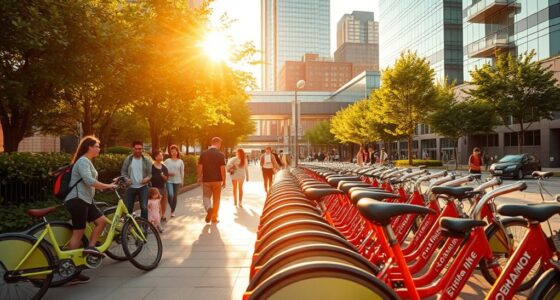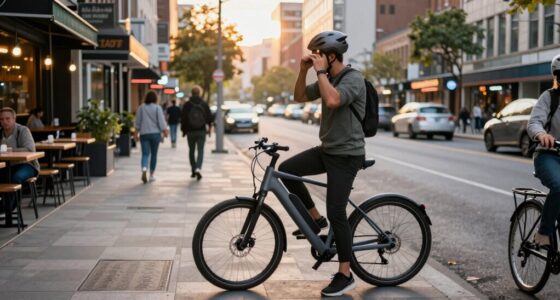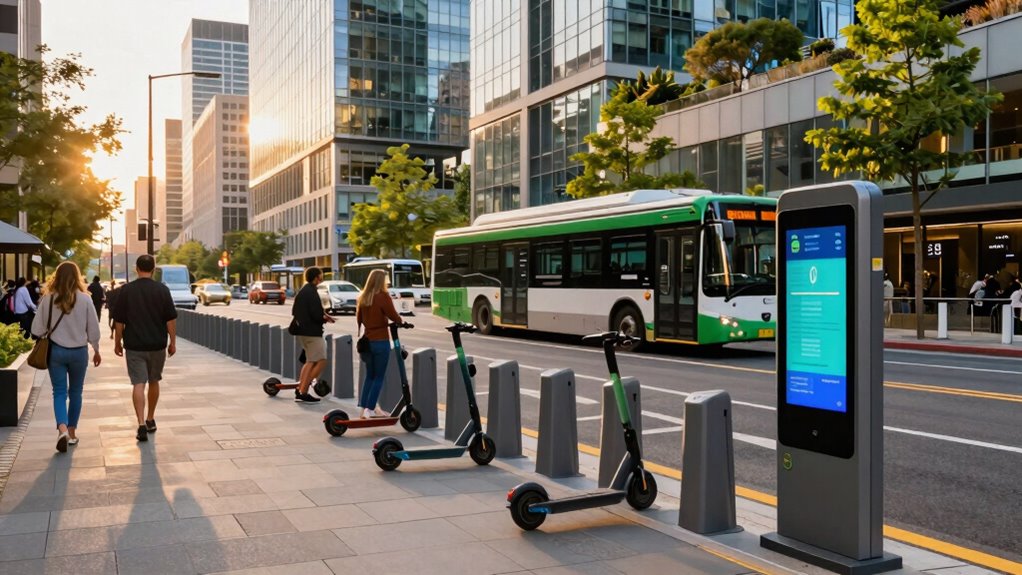

Shared mobility helps you meet urban sustainability goals by reducing traffic congestion and cutting emissions, leading to cleaner air and healthier environments. Cities invest in eco-friendly infrastructure like bike lanes, ride-share zones, and EV charging stations to support this shift. Policy incentives make sustainable choices more affordable, while technology improves user experience. As communities become more engaged, shared mobility transforms urban spaces into greener, more livable places—exploring further reveals how these changes can shape your city’s future.

Get garden gear delivered free — and shop member deals
- Fast, free delivery on millions of items
- Access to Prime Big Deal Days deals on October 6–7
- Prime Video, Amazon Music and more included
Key Takeaways
- Shared mobility reduces traffic congestion and emissions, supporting environmental sustainability in cities.
- Infrastructure investments like bike lanes and EV charging stations promote eco-friendly transportation options.
- Policy incentives such as subsidies and reduced parking fees encourage adoption of sustainable shared vehicles.
- Technological innovations enhance efficiency and user experience, driving community engagement in sustainable mobility.
- Developing dedicated lanes and green infrastructure fosters healthier, more livable urban environments aligned with sustainability goals.
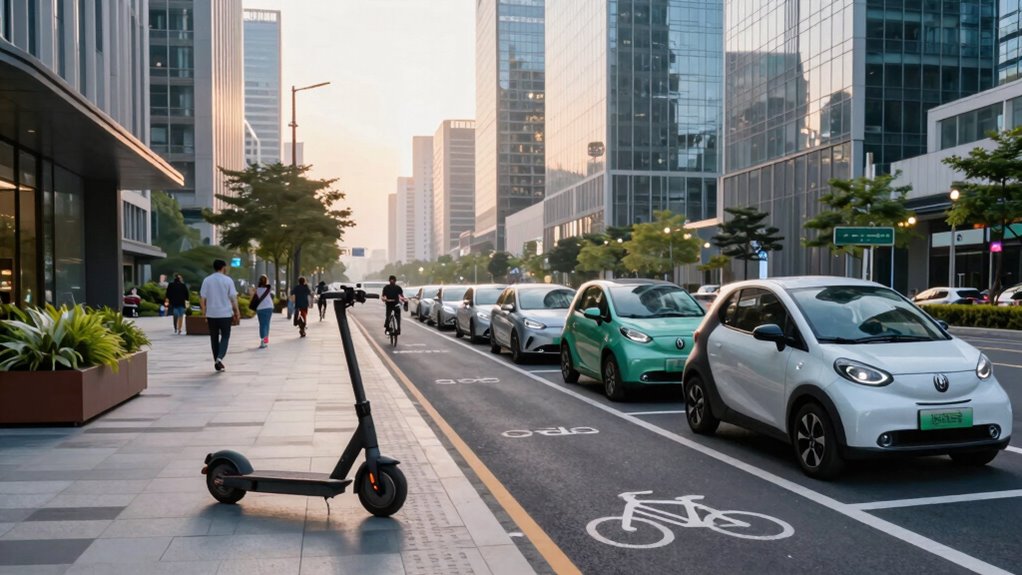
Shared mobility has emerged as a promising solution for making cities more sustainable by reducing traffic congestion and lowering emissions. As you explore this shift, you’ll notice how it influences urban planning and the development of eco-friendly infrastructure. Cities are increasingly investing in bike lanes, dedicated ride-share zones, and electric vehicle charging stations to support shared mobility options. These investments aren’t random; they’re strategic moves to create a seamless, sustainable transportation network that encourages residents to opt for shared rides or active commuting. When cities prioritize eco-friendly infrastructure, they make it easier for you to choose greener options, reducing reliance on personal vehicles and cutting down pollution. Incorporating biodiversity considerations into urban planning can further enhance the ecological benefits of sustainable transportation systems. Policy incentives play a crucial role in accelerating this transformation. Governments are implementing measures like subsidies for electric shared vehicles, reduced parking fees for ride-share users, or grants for companies expanding eco-friendly fleets. These policy incentives not only make shared mobility more affordable but also signal a city’s commitment to sustainability. When policies support shared mobility, you’re more likely to see the benefits firsthand—fewer traffic jams, cleaner air, and less carbon footprint. Plus, these incentives often encourage private companies to innovate, leading to more efficient, environmentally friendly transportation options that benefit everyone. Emphasizing the importance of urban planning can help cities better integrate sustainable transportation solutions into their overall development strategies. Additionally, fostering community engagement and awareness about sustainable transportation can empower residents to make environmentally conscious choices. Understanding the role of technological advancements, such as smart routing and electric vehicle innovations, can further improve the efficiency and appeal of shared mobility. The integration of innovative solutions accelerates the adoption of eco-friendly transportation methods, making sustainable choices more accessible. By integrating eco-friendly infrastructure and policy incentives, cities are reshaping their sustainability goals. Shared mobility becomes more than just a convenient way to get around; it transforms into an essential component of urban environmental strategies. When you choose shared rides or bike-sharing programs, you actively contribute to these goals. The development of dedicated lanes and charging stations makes sustainable options accessible and practical, removing barriers that might otherwise discourage their use. Meanwhile, policy incentives serve as catalysts, encouraging both users like you and providers to prioritize cleaner, more efficient transportation modes.
Cities investing in bike lanes and EV chargers make greener transportation options easier and more accessible for everyone.
This evolution influences how cities plan their future. Instead of expanding roads endlessly, urban areas now focus on creating a complete, sustainable transportation ecosystem. You benefit from this shift with reduced travel times, cost savings, and a healthier environment. Shared mobility’s impact on urban sustainability isn’t just about individual convenience; it’s about transforming entire cities into healthier, more livable spaces. When eco-friendly infrastructure and policy incentives work together, they set a clear path toward achieving long-term sustainability goals—one shared ride at a time.
As an affiliate, we earn on qualifying purchases.
Frequently Asked Questions
How Does Shared Mobility Impact Urban Air Quality?
Shared mobility improves urban air quality by reducing vehicle emissions and air pollution. When you choose services like carpooling or bike-sharing, you’re cutting down on the number of vehicles on the road, which lowers overall emissions. This means less smog and cleaner air for everyone. Your participation in shared mobility directly contributes to better air pollution reduction, making cities healthier and more sustainable for residents and future generations.
What Are the Cost Benefits of Shared Mobility for Cities?
Imagine a city shedding its heavy financial burden like a snake moulting its old skin. Shared mobility delivers cost savings by reducing the need for extensive infrastructure investments and lowering maintenance costs for roads and parking. You save money through efficient use of existing transport resources, freeing funds for other urban improvements. By embracing shared mobility, you turn financial weight into agility, making your city more sustainable and economically resilient.
How Does Shared Mobility Influence Public Transportation Systems?
Shared mobility influences public transportation systems by complementing them through micromobility trends and mobility as a service options. You’ll notice increased connectivity and flexibility, making it easier for you to access transit hubs or last-mile solutions. This integration reduces congestion and reliance on private vehicles, encouraging a more sustainable urban environment. As these trends grow, public transit becomes more efficient and user-friendly, shaping a smarter, greener city for everyone.
What Policies Promote Sustainable Shared Mobility Practices?
Kick things off by understanding that policies promoting sustainable shared mobility focus on vehicle licensing and infrastructure investment. You should support regulations that enforce eco-friendly vehicle standards and streamline licensing processes for shared vehicles. Additionally, investing in dedicated lanes and charging stations encourages eco-conscious choices. These policies help steer shared mobility toward sustainability, proving that the proof is in the pudding when infrastructure and regulation work hand in hand to create a greener, more efficient urban transit system.
How Does Shared Mobility Affect Urban Congestion Levels?
Shared mobility reduces urban congestion by decreasing vehicle ownership, which means fewer cars on the road. When you opt for shared services like ride-shares or bike rentals, you’re actively contributing to traffic reduction. This lessens traffic jams, shortens travel times, and improves air quality. As more people embrace shared mobility, cities experience smoother traffic flow, making urban transportation more efficient and sustainable for everyone.
Conclusion
By embracing shared mobility, you can play a crucial role in shaping greener, more sustainable cities. It reduces congestion, lowers emissions, and makes transportation more accessible. But are you ready to rethink how you move and contribute to urban sustainability? When you choose shared mobility options, you’re not just getting around—you’re helping create a healthier, more connected urban environment for everyone. Will you take the step toward a more sustainable future today?
Fall yard work Picks
leaf blowers
As an affiliate, we earn on qualifying purchases.